
Water treatment is the process of removing unwanted physical, chemical, and biological substances from water to make it suitable for specific applications. These applications include drinking water production, industrial manufacturing, agricultural irrigation, wastewater management, and commercial building operations. Modern water treatment systems combine filtration, disinfection, chemical treatment, membrane technologies, and automated monitoring.
The development of water treatment is closely connected to public health, urban growth, and industrial expansion. Early treatment methods relied on basic filtration and boiling, while modern facilities use advanced purification technologies to manage complex water quality challenges.
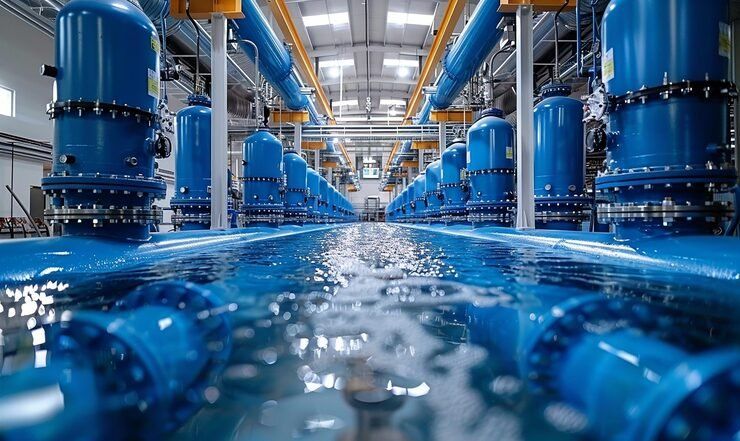
Today, water treatment applications are essential across residential, commercial, municipal, and industrial environments. Different systems are designed according to the source of water, its contamination levels, and the quality requirements of its intended use.
Why Water Treatment Matters Today
Water treatment plays an important role in protecting public health, supporting industrial activities, and maintaining environmental quality. Growing populations, urban development, industrial production, and changing weather conditions have increased the importance of effective water management.
Untreated water may contain suspended particles, microorganisms, dissolved minerals, organic compounds, and chemical contaminants. Appropriate treatment processes help reduce these substances according to applicable water quality standards.
Major areas that depend on water treatment include:
Public Water Supply: Municipal facilities treat raw water before distributing it to households and public institutions.
Industrial Manufacturing: Factories require water with specific quality characteristics for production, cooling, cleaning, and processing.
Food and Beverage Production: Water quality influences hygiene, ingredient preparation, and manufacturing operations.
Healthcare Facilities: Hospitals require controlled water quality for different operational and sanitation applications.
Agriculture: Water treatment can help manage salinity, suspended solids, and other irrigation-related concerns.
Environmental Protection: Wastewater treatment reduces pollutants before treated water is discharged or reused.
Water treatment also supports water conservation through recycling and reuse systems.
Major Water Treatment Technologies and Purification Systems
Different water treatment technologies address different types of contamination. Treatment facilities often combine multiple processes to achieve the required water quality.
Filtration Systems
Filtration removes suspended particles and other unwanted materials from water. Common systems include sand filters, multimedia filters, cartridge filters, and activated carbon filters.
Sand and multimedia filtration are commonly used to reduce suspended solids. Activated carbon systems help remove certain organic compounds, chlorine, and substances that affect taste and odor.
Reverse Osmosis Systems
Reverse osmosis (RO) is a membrane-based purification technology that uses pressure to separate water from many dissolved substances.
Industrial reverse osmosis systems are used in pharmaceutical manufacturing, food processing, electronics production, and boiler feedwater preparation. Their performance depends on feedwater quality, membrane condition, operating pressure, and system design.
Ultrafiltration Systems
Ultrafiltration uses membranes with very small pores to remove suspended particles, colloids, and many microorganisms. It is commonly used in drinking water treatment, industrial process water preparation, and wastewater recycling.
Ultraviolet Water Disinfection
UV disinfection uses ultraviolet light to inactivate microorganisms. It is often integrated into water purification systems as a disinfection stage.
Its effectiveness depends on factors such as water clarity, UV intensity, exposure conditions, and equipment maintenance.
Chemical Water Treatment
Chemical treatment involves adding selected substances to improve water quality or support other treatment processes.
Common applications include coagulation, flocculation, pH adjustment, scale control, and disinfection. Chemical selection depends on water composition and the intended treatment outcome.
Industrial Water Treatment Processes and Commercial Applications
Industrial water treatment systems are designed to meet the specific requirements of different manufacturing operations. Water used in a cooling tower, boiler, pharmaceutical facility, or food processing plant may require different treatment methods.
Boiler Feedwater Treatment
Boiler feedwater treatment removes dissolved minerals, suspended solids, and other substances that may contribute to scaling, corrosion, or equipment damage.
Common technologies include water softeners, reverse osmosis membranes, demineralization systems, and chemical dosing equipment. Proper treatment helps maintain boiler operating conditions and water quality.
Cooling Tower Water Treatment
Cooling towers circulate water to remove heat from industrial equipment and building systems. Treatment helps control scale formation, corrosion, suspended solids, and biological growth.
Filtration, chemical dosing, blowdown management, and water quality monitoring are commonly used in cooling tower operations.
Wastewater Treatment Systems
Industrial wastewater treatment removes contaminants generated during manufacturing, washing, processing, and cleaning activities.
Typical treatment stages include:
Preliminary Treatment: Removes large particles, debris, and other physical materials.
Primary Treatment: Separates suspended solids through settling and related processes.
Secondary Treatment: Uses biological processes to reduce biodegradable organic matter.
Tertiary Treatment: Applies advanced filtration, disinfection, or membrane technologies.
Water Reuse: Treats suitable wastewater for selected industrial or non-potable applications.
Pharmaceutical and Food Processing Water Treatment
Pharmaceutical manufacturing requires carefully controlled water quality for different production activities. Purified water and water for injection are examples of specialized pharmaceutical water categories with defined quality requirements.
Food and beverage manufacturers also use filtration, disinfection, softening, and membrane systems to meet ingredient water and hygiene requirements.
Global Water Treatment Manufacturers and Equipment Suppliers
The global water treatment industry includes companies involved in filtration, membrane manufacturing, chemical treatment, wastewater processing, and industrial purification equipment.
Some internationally recognized organizations include:
Veolia: Operates in water management, wastewater treatment, and industrial water technologies.
Xylem: Develops water technology equipment and systems for water and wastewater applications.
Ecolab: Provides water management technologies and industrial water treatment chemicals.
Pentair: Manufactures filtration and water treatment equipment for residential, commercial, and industrial applications.
DuPont Water Solutions: Develops membrane technologies, including reverse osmosis and ultrafiltration products.
Kurita: Operates in industrial water treatment chemicals, systems, and related technologies.
Thermax: An Indian engineering company involved in water and wastewater treatment solutions.
Ion Exchange India: Provides water treatment, wastewater management, and purification technologies.
The wider supply chain includes manufacturers of membrane filters, pumps, pressure vessels, dosing equipment, sensors, storage tanks, and automated control systems.
These companies operate in different market segments, and their product availability varies by geography and application.
Water Treatment Regulations and Government Programs in India
Water treatment activities in India are influenced by national environmental legislation, drinking water standards, pollution control requirements, and industrial compliance procedures.
The Bureau of Indian Standards (BIS) establishes specifications for drinking water and purification equipment. IS 10500 provides drinking water quality requirements, while IS 16240:2023 covers reverse osmosis-based point-of-use drinking water treatment systems.The Water (Prevention and Control of Pollution) Act, 1974 provides the legal framework for preventing and controlling water pollution. The Central Pollution Control Board (CPCB) and State Pollution Control Boards oversee relevant pollution control requirements.
The Water Purification System (Regulation of Use) Rules, 2023 also address the management of reject water and discarded components from specified purification systems. Their implementation began in November 2024.
Recent regulatory developments include changes to the framework for Common Effluent Treatment Plants (CETPs), announced in 2026. These facilities allow industrial units within shared clusters to use centralized wastewater treatment infrastructure.
Government initiatives such as the Jal Jeevan Mission and Namami Gange Programme also support water supply infrastructure, water quality management, and pollution reduction.
Recent Developments in Water Treatment Technologies, 2024–2026
Water treatment technologies continue to develop in response to industrial requirements, environmental concerns, and changing water availability.
Several notable trends include:
Smart Water Monitoring: Digital sensors and automated control systems help monitor parameters such as pH, conductivity, turbidity, and flow rates.
Advanced Membrane Technology: Improvements in membrane materials and system design are supporting applications in desalination, wastewater recycling, and industrial purification.
Water Reuse and Recycling: Industries are increasingly examining treated wastewater reuse to reduce freshwater demand and improve water management.
Energy-Efficient Treatment: Manufacturers are exploring process designs that reduce energy requirements in pumping, filtration, and membrane operations.
Artificial Intelligence: Data analytics and AI-based monitoring are being explored for equipment condition monitoring, process optimization, and operational planning.
Emerging Contaminant Treatment: Research continues into technologies for managing substances such as PFAS, pharmaceutical residues, and other difficult-to-remove contaminants.
Helpful Water Treatment Tools, Websites and Resources
Several technical resources help engineers, facility managers, researchers, and students understand water quality and treatment requirements.
BIS Standards Portal: Provides access to Indian Standards covering drinking water and purification equipment.
CPCB Website: Contains environmental guidelines, water quality information, and pollution control resources.
WHO Water Quality Guidelines: Provides international guidance on drinking water quality and public health considerations.
EPA Water Resources: Offers technical information about drinking water, wastewater, and treatment technologies.
Water Quality Calculators: Help estimate parameters such as hardness, total dissolved solids, recovery rates, and membrane rejection.
Water Treatment Process Flow Diagrams: Explain how filtration, chemical dosing, membrane separation, and disinfection stages connect within a treatment plant.
These resources provide general technical information and help explain the relationship between water quality, treatment methods, and regulatory requirements.
Frequently Asked Questions About Water Treatment Applications
1. What are the main applications of water treatment?
Water treatment is used in drinking water production, industrial manufacturing, pharmaceutical processing, food and beverage production, agriculture, cooling systems, and wastewater recycling.
2. Which technologies are commonly used in industrial water treatment?
Common technologies include reverse osmosis, ultrafiltration, activated carbon filtration, water softening, demineralization, UV disinfection, and chemical treatment.
3. What is the difference between water purification and wastewater treatment?
Water purification focuses on removing contaminants to make water suitable for a particular use. Wastewater treatment processes used water to reduce pollutants before discharge or reuse.
4. Who are the major industrial water treatment manufacturers?
International companies include Veolia, Xylem, Ecolab, Pentair, DuPont, and Kurita. Indian companies include Thermax and Ion Exchange India.
5. How does reverse osmosis work in water treatment systems?
Reverse osmosis uses pressure to move water through a semipermeable membrane. The membrane separates water from many dissolved substances, producing treated water and a concentrated reject stream.
Conclusion
Water treatment applications support public health, industrial manufacturing, environmental protection, and sustainable water management. Technologies such as reverse osmosis, filtration, ultrafiltration, and UV disinfection address different water quality requirements. Industrial treatment processes also support boiler operations, cooling towers, pharmaceutical production, and wastewater recycling. Advances in automation, membrane technology, and digital monitoring continue to influence the development of modern water treatment systems.