
Wood products are widely used in furniture, interior construction, cabinetry, flooring, wall panels, office equipment, and commercial spaces.
While solid wood remains a popular material, engineered wood panels have become increasingly common because they offer consistent quality, efficient material utilization, and versatile surface finishes. One of the key technologies supporting modern wood manufacturing is the wood lamination machine.
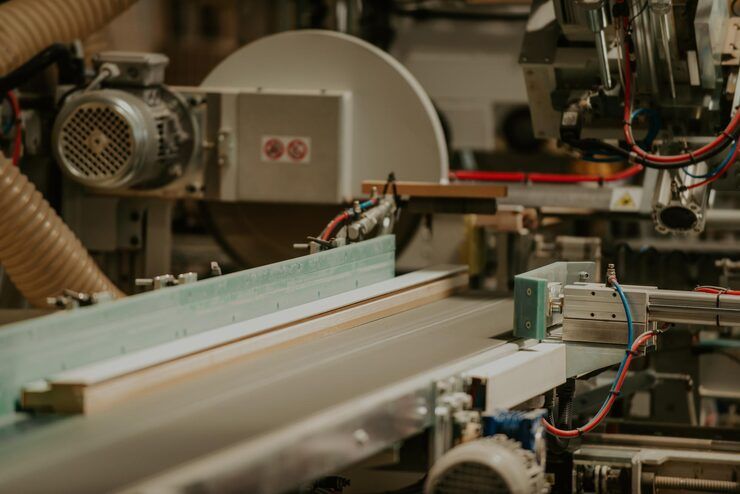
Wood lamination machines apply decorative or protective layers to wood-based panels, improving appearance, durability, moisture resistance, and surface performance. Whether producing furniture components, decorative boards, kitchen cabinets, or commercial interior panels, these machines play an important role in modern woodworking operations.
This guide explains what wood lamination machines are, how they work, the different machine types, major industrial applications, automation trends, and important factors manufacturers consider when selecting lamination equipment.
What Are Wood Lamination Machines?
Wood lamination machines are industrial systems designed to bond decorative or functional materials onto wood-based surfaces using pressure, heat, adhesives, or a combination of these methods. The laminated layer enhances both the visual appearance and functional performance of the finished product.
Common materials laminated onto wood panels include:
- Decorative paper
- PVC films
- Melamine sheets
- High-pressure laminates
- Veneers
- Protective films
- Specialty surface materials
These machines are widely used in wood panel lamination processes where consistent bonding quality and surface uniformity are essential.
Why Wood Lamination Is Important
Lamination serves both decorative and protective purposes. Instead of relying solely on solid wood, manufacturers can produce attractive, durable surfaces while improving production efficiency.
Some of the primary advantages include:
- Enhanced surface appearance
- Improved scratch resistance
- Better moisture protection
- Greater consistency across production batches
- Expanded design possibilities
- Increased durability for everyday use
- Efficient use of engineered wood materials
As furniture styles and interior design preferences continue evolving, lamination technology allows manufacturers to create a wide variety of finishes without changing the underlying panel material.
How a Wood Lamination Machine Works
Although machine designs differ, most wood lamination processes follow a similar production sequence.
Step 1: Surface Preparation
Before lamination begins, the wood panel is cleaned and prepared to remove dust, particles, and surface irregularities.
Proper preparation helps improve bonding quality and reduces defects during production.
Step 2: Adhesive Application
Depending on the production method, adhesive may be applied directly to the panel or to the decorative material.
Uniform adhesive distribution is important because uneven application can affect bonding performance.
Step 3: Material Positioning
The decorative layer is carefully aligned with the wood panel.
Accurate positioning helps maintain consistent edges, patterns, and overall product appearance.
Step 4: Heat and Pressure
The panel passes through the industrial laminating machine, where controlled pressure and, in many cases, heat activate the bonding process.
Machine settings vary according to:
- Material type
- Adhesive characteristics
- Panel thickness
- Production speed
Step 5: Cooling and Inspection
After bonding, panels cool before undergoing quality inspection.
Manufacturers typically evaluate:
- Surface smoothness
- Bonding strength
- Edge alignment
- Color consistency
- Surface defects
Quality inspection helps ensure reliable production standards.
Main Types of Wood Lamination Machines
Different manufacturing environments require different lamination technologies. Understanding machine categories helps explain their industrial applications.
Cold Lamination Machines
Cold lamination machines bond materials without applying significant heat.
These machines are commonly used for:
- Pressure-sensitive films
- Specialty coatings
- Certain decorative applications
Cold lamination is often selected when materials are sensitive to high temperatures.
Hot Lamination Machines
Hot lamination systems combine heat and pressure to create durable bonds between decorative materials and wood panels.
They are frequently used for:
- Furniture production
- Decorative panels
- Interior building materials
- Cabinet manufacturing
Heat-assisted bonding generally provides strong and consistent adhesion.
Vacuum Membrane Press Machines
Vacuum membrane presses use vacuum pressure to wrap decorative films around shaped or contoured surfaces.
These machines are especially useful for:
- Cabinet doors
- Decorative moldings
- Curved furniture components
- Three-dimensional wood panels
Their ability to laminate complex shapes makes them valuable in custom furniture manufacturing.
Roller Lamination Machines
Roller systems continuously feed wood panels through pressure rollers.
Advantages include:
- High production efficiency
- Consistent surface pressure
- Continuous manufacturing
- Uniform adhesive distribution
These machines are widely used in large-scale industrial production.
Materials Used in Wood Panel Lamination
Various surface materials are selected based on appearance, durability, and intended application.
| Material | Common Application |
|---|---|
| Decorative paper | Furniture surfaces |
| PVC film | Cabinets and interior panels |
| Wood veneer | Natural wood appearance |
| Melamine | Shelving and office furniture |
| High-pressure laminate | Commercial work surfaces |
| Protective films | Specialty industrial applications |
Material selection depends on functional requirements as well as the desired visual finish.
Industrial Applications of Wood Lamination Machines
Wood lamination technology supports numerous manufacturing industries.
Furniture Manufacturing
Furniture producers use laminated panels for:
- Tables
- Cabinets
- Wardrobes
- Desks
- Storage units
- Shelving
Lamination provides decorative finishes while improving resistance to everyday wear.
Kitchen Cabinet Production
Kitchen environments require surfaces that are easy to maintain and resistant to moisture.
Wood panel lamination helps create attractive cabinet doors and interior components with consistent finishes.
Interior Construction
Decorative wall panels, partitions, ceilings, and architectural elements frequently incorporate laminated wood products.
The wide variety of available surface designs allows architects and designers to create different interior styles.
Office Furniture
Commercial office furniture often includes laminated workstations, conference tables, cabinets, and storage systems because laminated surfaces provide durability and a professional appearance.
Retail and Commercial Displays
Retail fixtures, exhibition displays, and display shelving commonly use laminated wood panels due to their consistent finish and design flexibility.
The Role of Industrial Laminating Machines in Modern Manufacturing
Industrial laminating machines have become an essential part of automated production facilities.
Modern systems help manufacturers achieve:
- Consistent product quality
- Higher production efficiency
- Reduced manual handling
- Improved material utilization
- Repeatable manufacturing processes
Automation also contributes to maintaining consistent production standards across large manufacturing volumes.
Woodworking Automation and Smart Manufacturing
Woodworking automation continues transforming the furniture and panel manufacturing industry.
Today's automated production systems often integrate:
- Computer-controlled machine settings
- Automated material feeding
- Digital production monitoring
- Precision pressure control
- Quality inspection systems
- Production data collection
These technologies improve process consistency while supporting more efficient manufacturing workflows.
Factors to Consider When Selecting a Wood Lamination Machine
Different production requirements call for different machine capabilities.
Some important evaluation factors include:
| Consideration | Importance |
|---|---|
| Production volume | Determines machine capacity |
| Panel dimensions | Influences machine size |
| Material compatibility | Supports various laminate materials |
| Automation level | Affects workflow efficiency |
| Pressure control | Improves bonding consistency |
| Temperature control | Supports different adhesives |
| Maintenance accessibility | Simplifies routine servicing |
Choosing equipment based on production needs helps improve long-term operational performance.
Common Quality Challenges During Lamination
Like any manufacturing process, lamination requires careful process control.
Potential quality issues include:
- Air bubbles beneath the surface
- Uneven adhesive distribution
- Surface wrinkles
- Edge lifting
- Misaligned decorative layers
- Temperature inconsistencies
- Pressure variation
Proper machine calibration and routine inspection help minimize these challenges.
Routine Maintenance Practices
Regular maintenance supports reliable equipment performance and consistent production quality.
Typical maintenance activities include:
- Cleaning rollers
- Inspecting pressure systems
- Verifying temperature settings
- Checking adhesive application equipment
- Lubricating moving components
- Monitoring electrical systems
- Inspecting safety mechanisms
Preventive maintenance also helps reduce unexpected production interruptions.
Future Trends in Woodworking Machinery
The woodworking industry continues adopting new manufacturing technologies.
Emerging developments include:
- Artificial intelligence-assisted quality inspection
- Smart production monitoring
- Energy-efficient heating systems
- Advanced adhesive technologies
- Robotic material handling
- Improved process automation
- Digital production analytics
These innovations support higher manufacturing precision while improving operational efficiency.
Frequently Asked Questions
What is a wood lamination machine?
A wood lamination machine is industrial equipment that bonds decorative or protective materials onto wood-based panels using pressure, heat, adhesives, or a combination of these methods.
What materials can be laminated onto wood panels?
Common materials include decorative paper, PVC films, melamine sheets, wood veneers, high-pressure laminates, and protective surface films.
Where are industrial laminating machines commonly used?
They are widely used in furniture manufacturing, cabinet production, interior construction, office furniture manufacturing, commercial displays, and decorative panel production.
How does woodworking automation improve lamination?
Automation improves production consistency by controlling pressure, temperature, material feeding, and quality inspection while reducing manual intervention.
Why is wood panel lamination widely used?
Wood panel lamination improves surface durability, decorative appearance, moisture resistance, and manufacturing efficiency while expanding design possibilities for engineered wood products.
Conclusion
Wood lamination machines play a central role in modern woodworking by combining decorative finishes with improved surface performance. From furniture manufacturing and cabinet production to commercial interiors and architectural panels, these machines support efficient, consistent, and high-quality production across numerous industries.
Understanding the different types of wood lamination machines, the complete lamination process, material compatibility, industrial applications, and the growing role of woodworking automation provides valuable insight into today's manufacturing environment. As industrial laminating machine technology continues advancing through smarter automation, improved process control, and enhanced production efficiency, wood panel lamination will remain an essential manufacturing process for producing durable, attractive, and reliable wood-based products across a wide range of commercial and industrial applications.