Back pain is one of the most common physical complaints affecting people of all ages. Whether it develops from prolonged sitting, poor posture, repetitive movements, or general muscle tension, discomfort in the back can influence daily activities, productivity, and overall quality of life. As people seek practical ways to manage discomfort and improve movement, yoga has gained attention as a supportive wellness practice.
Modern lifestyles often involve long hours spent at desks, reduced physical activity, and increased exposure to movement patterns that place stress on the spine and surrounding muscles. These factors have encouraged many individuals to explore gentle and sustainable approaches that promote flexibility, mobility, and body awareness.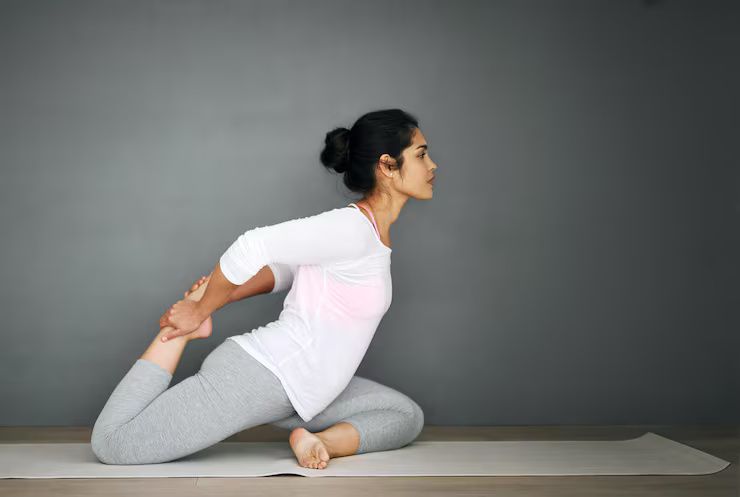
Understanding how yoga relates to back health can help individuals make informed decisions about incorporating movement-based practices into their routines. This article explores the connection between yoga and back pain, the potential benefits of regular practice, important considerations, and the role of yoga in supporting long-term mobility and comfort.
Understanding the Relationship Between Back Pain and Movement
Back pain is not always caused by a single factor. In many cases, discomfort develops through a combination of muscular tension, joint stiffness, poor movement habits, and reduced flexibility.
The back functions as part of a larger movement system that includes the hips, shoulders, core muscles, and legs. When one area becomes restricted or weakened, other parts of the body often compensate, which can contribute to discomfort and inefficient movement patterns.
Movement-based practices such as yoga focus on improving mobility, flexibility, balance, and body awareness. These elements may help individuals better understand how their bodies move and identify habits that contribute to discomfort.
What Makes Yoga Different from Other Forms of Exercise?
Yoga combines physical postures, controlled breathing, and mindful movement. Unlike some exercise programs that focus primarily on strength or cardiovascular conditioning, yoga encourages a more comprehensive approach to movement and physical awareness.
A typical yoga practice may involve:
- Stretching muscles and connective tissues
- Improving joint mobility
- Enhancing balance and coordination
- Developing core stability
- Encouraging controlled breathing
This combination can create a unique movement experience that supports both physical and mental well-being.
Because yoga can be adapted to different ability levels, it is often accessible to a broad range of individuals with varying mobility needs.
How Yoga May Support Back Health
The potential relationship between yoga and back comfort often comes from improvements in flexibility, posture, movement quality, and muscular balance.
Improved Flexibility
Tight muscles surrounding the spine, hips, and legs can contribute to movement restrictions.
Yoga encourages gradual stretching that may help improve flexibility over time. Greater flexibility can support more efficient movement patterns and reduce unnecessary strain on certain areas of the body.
Enhanced Core Engagement
The muscles of the abdomen, pelvis, and lower back play an important role in supporting the spine.
Many yoga postures require controlled activation of these muscles, helping individuals develop greater awareness of how core stability contributes to overall movement.
Better Postural Awareness
Poor posture is commonly associated with discomfort in the neck, shoulders, and lower back.
Yoga often emphasizes alignment and body positioning, which may help individuals recognize postural habits that affect comfort during daily activities.
Mobility and Functional Movement Benefits
Mobility refers to the ability of joints and muscles to move efficiently through their intended range of motion.
Many people focus solely on flexibility when addressing back discomfort. However, mobility involves both flexibility and strength working together.
Yoga can contribute to improved mobility by encouraging controlled movement through various positions and ranges of motion.
This can be particularly valuable for individuals who spend long periods sitting, as prolonged inactivity may contribute to stiffness in the hips, lower back, and surrounding muscle groups.
As mobility improves, everyday activities such as walking, bending, reaching, and standing may feel more comfortable and efficient.
The Importance of Consistency
One of the most important aspects of yoga is consistency rather than intensity.
Many people assume that significant results require advanced poses or lengthy sessions. In reality, regular participation in appropriate yoga practices may be more beneficial than occasional intensive sessions.
Benefits often develop gradually through repeated exposure to healthy movement patterns.
Consistent practice may support:
- Increased flexibility
- Improved body awareness
- Better movement quality
- Enhanced balance
- Greater confidence in physical activity
Developing a sustainable routine is often more important than pursuing complex postures.
Common Areas Addressed Through Yoga Practice
Back discomfort is often influenced by multiple regions of the body rather than the spine alone.
Yoga frequently addresses interconnected areas such as:
Hip Mobility
Restricted hip movement can influence how the lower back functions during daily activities.
Improving hip mobility may help distribute movement more effectively throughout the body.
Hamstring Flexibility
Tight hamstrings can affect pelvic positioning and influence movement patterns involving the lower back.
Many yoga practices include stretches that target the back of the legs and surrounding tissues.
Shoulder and Upper Back Mobility
Modern work environments often encourage forward-leaning postures that create tension in the upper body.
Yoga can help promote movement and mobility throughout the shoulders, chest, and upper back regions.
Considerations Before Starting Yoga for Back Pain
Although yoga may provide benefits for many individuals, it is important to approach any new movement program thoughtfully.
Back discomfort can have various causes, and certain conditions may require professional evaluation before beginning physical activities.
Individuals should consider:
- Current mobility levels
- Existing injuries
- Medical history
- Movement limitations
- Personal comfort levels
Beginning with appropriate instruction and gradual progression can help create a safer and more positive experience.
Listening to the body's signals is an important part of any movement practice.
The Connection Between Mindfulness and Physical Comfort
An often-overlooked aspect of yoga is mindfulness.
Physical discomfort can sometimes be influenced by stress, tension, and habitual movement patterns that occur without conscious awareness.
Yoga encourages individuals to pay attention to breathing, posture, and movement quality. This awareness may help people identify behaviors that contribute to unnecessary muscular tension.
By combining movement with mindful attention, yoga offers a broader approach to supporting physical comfort and overall well-being.
Long-Term Perspectives on Back Health
Back health is rarely determined by a single exercise, stretch, or intervention. Instead, it is often influenced by daily habits, movement patterns, physical activity levels, and overall lifestyle choices.
Yoga can be viewed as one component of a broader strategy that supports mobility, flexibility, strength, and body awareness.
When combined with healthy movement habits, regular physical activity, and attention to posture, yoga may contribute to long-term physical resilience and improved comfort during everyday activities.
Rather than focusing solely on symptom management, many individuals use yoga as a way to support ongoing movement quality and functional well-being.
Conclusion
Yoga has become a widely recognized movement practice for individuals seeking greater mobility, flexibility, and physical comfort. Through a combination of stretching, controlled movement, breathing techniques, and body awareness, yoga may help support healthier movement patterns that contribute to improved back function.
While individual experiences vary and back discomfort can have many causes, yoga offers a structured and adaptable approach that encourages gradual improvement in flexibility, mobility, and postural awareness. As part of a balanced wellness routine, consistent yoga practice may play a valuable role in supporting long-term comfort, movement confidence, and overall quality of life.
Disclaimer: The information provided in this article is for informational purposes only. We do not make any claims or guarantees regarding the accuracy, reliability, or completeness of the information presented. The content is not intended as professional advice and should not be relied upon as such. Readers are encouraged to conduct their own research and consult with appropriate professionals before making any decisions based on the information provided in this article.