
Supply chains are systems that manage the flow of goods, information, and resources from raw material sources to end users. These systems include procurement, production, storage, transportation, and distribution. In recent years, the integration of artificial intelligence has led to the development of the AI-driven supply chain, where digital systems assist in decision-making and operational planning.
Artificial intelligence refers to computer systems that can analyze data, recognize patterns, and make predictions. When applied to logistics and supply chain operations, AI technologies help process large volumes of data that would be difficult to manage manually.
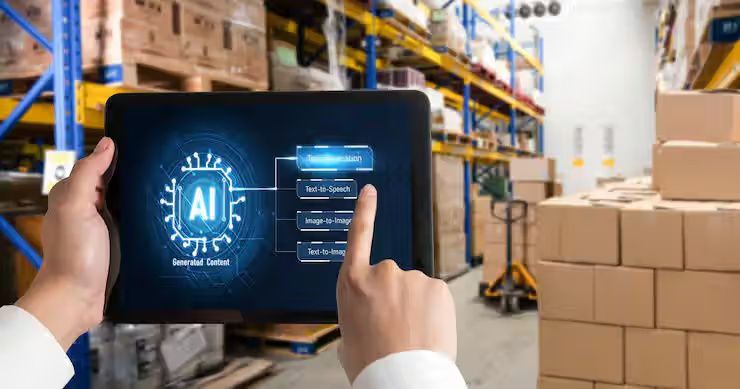
Traditionally, supply chain management relied on historical data, manual forecasting, and fixed planning models. However, these methods often struggled to adapt to sudden changes such as demand fluctuations, delays, or disruptions. The introduction of the AI-driven supply chain allows organizations to respond more dynamically by using real-time data and predictive analytics.
Today, AI is used across various supply chain stages, including demand forecasting, inventory management, route planning, and warehouse operations. Understanding how these systems function provides insight into how logistics is evolving in a data-driven environment.
Importance
The importance of an AI-driven supply chain lies in its ability to improve visibility, accuracy, and responsiveness within logistics operations. Supply chains often involve multiple interconnected processes, making coordination complex.
AI technologies help address these challenges by analyzing data from different sources and providing actionable insights. This improves planning and reduces uncertainty in supply chain operations.
Key reasons why AI-driven supply chains are important include:
- Improved demand forecasting: AI models analyze historical data and market trends to predict future demand more accurately.
- Inventory optimization: Helps maintain appropriate stock levels and reduces overstocking or shortages.
- Efficient route planning: Optimizes transportation routes based on traffic, distance, and delivery requirements.
- Real-time monitoring: Tracks shipments and operations continuously, improving visibility.
- Risk management: Identifies potential disruptions and supports proactive decision-making.
These capabilities are valuable across industries such as retail, manufacturing, healthcare, and e-commerce, where efficient logistics plays a critical role.
Recent Updates
The evolution of the AI-driven supply chain continues as new technologies and data systems are integrated into logistics operations.
Integration with Machine Learning Models
Machine learning algorithms are increasingly used to improve forecasting accuracy. These models learn from past data and adjust predictions as new information becomes available.
Use of Generative AI in Planning
Generative AI tools are being explored for supply chain planning and scenario analysis. These tools can simulate different outcomes based on varying conditions, helping planners evaluate possible strategies.
Expansion of Digital Twins
Digital twin technology creates virtual models of supply chain systems. These models allow organizations to test changes and predict outcomes without affecting real-world operations.
Automation in Warehousing
AI-powered robots and automated systems are being used in warehouses for tasks such as sorting, picking, and packing. These systems improve efficiency and reduce manual handling.
Sustainability and Emission Tracking
AI is also used to monitor environmental impact. Systems can analyze fuel consumption, transportation routes, and energy usage to support sustainability goals.
These developments highlight how AI continues to reshape supply chain management by improving adaptability and operational insight.
Laws or Policies
The implementation of AI-driven supply chain systems is influenced by regulations related to data protection, technology use, and transportation standards.
Data Protection Regulations
AI systems rely heavily on data collection and processing. Regulations such as data protection laws require organizations to manage data responsibly and ensure privacy.
In India, frameworks such as the Digital Personal Data Protection Act guide how personal and sensitive data is handled.
Technology and AI Governance
Governments and international bodies are developing guidelines for the responsible use of AI. These guidelines address issues such as transparency, accountability, and ethical use of algorithms.
Transportation and Logistics Regulations
Supply chain operations must comply with transportation laws related to vehicle safety, cargo handling, and cross-border trade. AI systems used in logistics must align with these regulatory requirements.
Industry Standards
Standards organizations provide frameworks for supply chain management and information systems. These standards help ensure consistency and interoperability across systems.
These policies influence how AI technologies are implemented within supply chain environments.
Tools and Resources
A range of tools and digital platforms support the development and operation of AI-driven supply chain systems. These tools help organizations analyze data, automate processes, and monitor performance.
Common tools and resources include:
- Enterprise Resource Planning (ERP) systems: Integrate business processes such as procurement, inventory, and finance.
- Supply chain analytics platforms: Provide insights into demand patterns, inventory levels, and logistics performance.
- Machine learning frameworks: Enable development of predictive models for forecasting and optimization.
- Warehouse management systems (WMS): Support inventory tracking and warehouse operations.
- Transportation management systems (TMS): Assist in route planning and shipment tracking.
AI Applications in Supply Chain
The following table outlines key areas where AI is applied in supply chain operations.
| Application Area | AI Function | Example Use Case |
|---|---|---|
| Demand Forecasting | Predicts future demand | Retail inventory planning |
| Inventory Management | Optimizes stock levels | Warehouse stock control |
| Route Optimization | Calculates efficient routes | Delivery logistics |
| Predictive Maintenance | Detects equipment issues | Fleet maintenance |
| Warehouse Automation | Automates handling tasks | Sorting and packing |
These applications demonstrate how AI supports different stages of supply chain management.
FAQs
What is an AI-driven supply chain?
An AI-driven supply chain is a system that uses artificial intelligence to analyze data, automate processes, and improve decision-making in logistics and supply chain operations.
How does AI improve supply chain efficiency?
AI improves efficiency by optimizing demand forecasting, inventory management, and transportation planning. It helps reduce delays and improve coordination across supply chain activities.
What technologies are used in AI-driven supply chains?
Technologies include machine learning, data analytics, automation systems, and digital monitoring tools. These technologies work together to process data and support decision-making.
Where is AI used in supply chain management?
AI is used in demand forecasting, warehouse operations, transportation planning, inventory control, and risk management.
What are the benefits of AI-driven supply chain systems?
Benefits include improved accuracy, better visibility, faster decision-making, and enhanced ability to respond to changes in demand or supply conditions.
Conclusion
AI-driven supply chains represent a significant shift in how logistics and supply chain systems operate. By integrating artificial intelligence, organizations can analyze data more effectively and respond to changes in real time.
Advancements in machine learning, automation, and digital modeling continue to shape the future of supply chain management. At the same time, data protection and regulatory frameworks guide the responsible use of AI technologies.
Understanding how AI is transforming logistics provides insight into the evolving nature of global supply chains and their role in modern economies.