
AI fabric inspection systems are automated technologies that examine textile materials for defects using artificial intelligence (AI), machine vision, cameras, and digital image processing. These systems help textile manufacturers identify irregularities in woven, knitted, and nonwoven fabrics during production. They can detect visible problems such as holes, stains, broken threads, missing yarns, and variations in fabric texture.
Traditional fabric inspection often relies on trained operators who visually examine materials as they move across an inspection table or production line. Although human inspection remains important, it can be affected by fatigue, lighting conditions, fabric speed, and the difficulty of identifying small or repeated defects. AI-based inspection introduces automated image analysis to support more consistent examination.
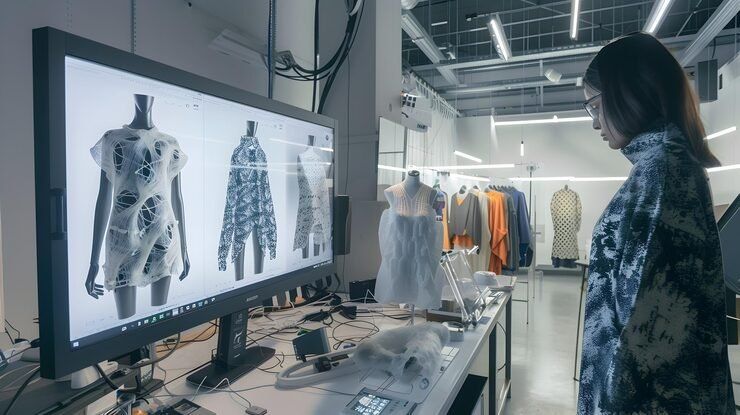
The development of AI fabric inspection systems builds on earlier optical inspection technologies used in textile manufacturing. Conventional machine vision relies on cameras, lighting, and predefined image-processing rules. Modern AI systems can use machine learning and deep learning models trained on textile images to recognize different defect patterns and distinguish irregularities from normal fabric characteristics.
Main components of AI fabric inspection systems
An AI fabric inspection system typically combines several hardware and software components:
Industrial cameras: Capture detailed images of fabric surfaces as the material moves through an inspection area.
Lighting systems: Illuminate the fabric to reveal defects, texture differences, and surface irregularities.
Image processing software: Converts camera images into digital information for analysis.
AI defect detection models: Identify patterns associated with textile defects using trained algorithms.
Fabric transport mechanisms: Maintain material movement and positioning during inspection.
Monitoring interfaces: Display detected defects, inspection results, and production information.
The components vary according to fabric type, production speed, defect size, and inspection requirements. Some systems operate directly on production lines, while others examine finished rolls or selected fabric samples.
How AI-based defect detection works
The inspection process begins when cameras capture images of the fabric surface. The software analyzes these images and compares their visual characteristics with patterns learned from training data or established inspection rules.
When the system identifies a possible defect, it may mark the affected area, classify the defect type, and record its location. Depending on the installation, the information can be used to alert an operator, generate an inspection report, or connect with other production equipment.
AI models require appropriate training and validation. Differences in color, weave, texture, lighting, and material finish can affect detection accuracy. For this reason, systems often need to be configured for the specific textile materials and defects encountered in a production environment.
Importance
Fabric inspection is an important part of textile manufacturing because defects can affect product appearance, material usability, production efficiency, and customer satisfaction. Detecting problems early can help manufacturers identify process irregularities before larger quantities of material are affected.
AI fabric inspection systems are particularly relevant in operations that process long fabric rolls or produce textiles at high speeds. Automated inspection can examine material continuously and maintain digital records of detected defects, reducing dependence on manual recording and repeated visual checks.
Common fabric defects detected by AI
AI-powered machine vision can identify various surface and structural irregularities, depending on the equipment and training data.
Holes and tears: Openings or damaged areas in the fabric.
Broken or missing threads: Interruptions in warp or weft yarns in woven textiles.
Stains and discoloration: Unwanted marks or color differences on the material surface.
Weaving defects: Irregular patterns caused by yarn misplacement, tension problems, or weaving disturbances.
Knitting defects: Missing loops, dropped stitches, and other irregularities in knitted fabrics.
Slubs and thick places: Unusual yarn thickness or localized texture variations.
Printing defects: Uneven patterns, missing printed areas, smudges, or alignment problems.
Surface contamination: Foreign fibers, particles, or other unwanted material visible on the fabric.
Not every system detects all these defect categories. Some are designed for particular materials, such as denim, cotton, technical textiles, or printed fabrics, and may require separate models or inspection settings for different applications.
Benefits for textile manufacturing
Automated fabric inspection can support production operations in several ways.
First, it provides repeatable image-based examination across large quantities of material. Second, digital defect records can help quality teams identify recurring patterns and investigate possible causes. Third, connecting inspection data with production information may help manufacturers determine whether defects are associated with a particular machine, material batch, or operating condition.
These systems can also support fabric grading and roll classification. However, grading rules differ among textile applications, and final decisions may still require human review. AI inspection is therefore generally used as part of a broader quality management process rather than as a complete replacement for experienced inspectors.
Applications across textile industries
AI fabric inspection is used or evaluated in several textile production environments:
Apparel textiles: Examining fabrics intended for garments, uniforms, and other clothing products.
Home textiles: Inspecting materials used in curtains, upholstery, bedding, and household furnishings.
Technical textiles: Checking selected industrial fabrics, filtration materials, and specialized textile structures.
Automotive textiles: Examining interior fabrics and other textile components for visible irregularities.
Nonwoven materials: Detecting surface defects in materials used for hygiene products, filtration, and industrial applications.
Printed textiles: Identifying pattern inconsistencies, print marks, and color variations.
The required inspection resolution and defect classification depend on the material's intended use. A small visual irregularity may be acceptable in one application but unacceptable in another.
Recent Updates
AI fabric inspection technology continues to develop as manufacturers adopt more capable machine vision systems, improved computing hardware, and data-driven quality monitoring. Current developments focus on handling complex textures, reducing false detections, improving model adaptability, and integrating inspection results with factory information systems.
Advances in AI and machine vision
Deep learning has expanded the range of visual patterns that automated inspection systems can recognize. Instead of relying entirely on manually defined image rules, trained models can learn features associated with defects from labeled examples. This can be useful when inspecting fabrics with complicated patterns or natural texture variations.
Another development is the use of anomaly detection. In some applications, models learn the characteristics of normal fabric and flag areas that differ significantly from those patterns. This approach may help when examples of every possible defect are not available, although unusual but acceptable fabric variations can still trigger false alarms.
Manufacturers are also exploring edge computing, which processes inspection images close to the camera or production equipment. Local processing can reduce delays and limit the need to transfer every image to a remote platform. The practical benefit depends on the computing hardware, image resolution, and complexity of the inspection model.
Integration with smart factories
AI fabric inspection can be connected with manufacturing execution systems (MES), production monitoring software, and quality management platforms. This integration allows defect records to be associated with roll identifiers, production stages, machine settings, and material batches.
Such records can support traceability and help quality teams investigate recurring problems. However, meaningful analysis depends on consistent data collection and accurate links between inspection results and production records.
Current technical challenges
Despite continuing progress, automated textile inspection remains technically demanding. Fabric patterns can resemble defects, while folds, shadows, material movement, and changes in lighting can affect image quality. Rare defects may also be difficult to recognize if the model has limited training examples.
Manufacturers therefore need to validate inspection systems using representative materials and operating conditions. Performance should be assessed using measures such as defect detection rate, false-positive rate, processing speed, and consistency across different fabric types.
Laws or Policies
AI fabric inspection systems may be affected by regulations and standards relating to machinery safety, electrical equipment, workplace protection, data management, and product quality. The exact requirements depend on the installation location, the equipment design, and how the system interacts with production machinery.
Regulatory considerations in India
Textile manufacturers in India must consider applicable factory safety, occupational safety, electrical safety, and environmental requirements. The Occupational Safety, Health and Working Conditions Code, 2020, and associated rules may be relevant depending on their commencement status and applicability. Requirements should be checked against the current legal framework governing the specific establishment.
Machine vision equipment installed on a production line should be assessed for risks involving moving fabric rollers, mechanical components, electrical systems, maintenance access, and emergency stopping arrangements. Adding cameras or AI software does not remove the need for suitable machine guarding and safe operating procedures.
Where inspection systems process identifiable employee information, relevant data protection obligations may also apply. Ordinary fabric images generally do not constitute personal data unless they contain information that identifies or relates to an identifiable individual.
Quality and technical standards
Manufacturers may use established quality management frameworks and textile testing methods to support inspection procedures. ISO 9001 provides a framework for quality management, while textile-specific testing standards can help evaluate properties such as fabric strength, colorfastness, and dimensional stability.
These standards address different aspects of quality and should not be treated as interchangeable. An AI system's ability to detect visible defects does not automatically establish compliance with textile performance standards or product regulations. Inspection methods should match the actual quality requirements of the material and its intended application.
Tools and Resources
AI fabric inspection involves specialized cameras, image processing software, AI models, and production monitoring tools. Selection depends on fabric width, production speed, material characteristics, defect categories, and the level of automation required.
Common technologies and platforms
Machine vision cameras and lighting: Industrial cameras, line-scan cameras, and controlled illumination systems capture images of continuously moving fabric. Line-scan cameras are particularly relevant for wide materials moving through a production line because they build images line by line.
AI and image processing frameworks: Computer vision frameworks such as OpenCV and deep learning frameworks such as PyTorch or TensorFlow can be used to develop and test image analysis models. These tools require technical expertise and suitable training data for reliable industrial deployment.
Industrial automation systems: Programmable logic controllers (PLCs), industrial computers, and production monitoring software can coordinate inspection equipment with material handling systems and factory processes.
Quality management software: Digital quality records can document defect categories, inspection outcomes, affected roll sections, and corrective actions.
Global manufacturers and suppliers
Companies active in textile inspection, machine vision, and industrial automation include specialized textile equipment manufacturers as well as broader automation technology providers. Their product ranges and technical capabilities differ, so the availability of AI-based fabric inspection depends on the specific equipment and configuration.
Examples of companies associated with relevant industrial technologies include:
Uster Technologies: Known for textile testing and quality measurement technologies.
Saurer: Active in textile machinery and yarn processing technologies.
Mahlo: Develops measuring and control systems for textile and web-processing applications.
PLEVA: Provides measurement and control technologies used in textile production.
Cognex: Develops industrial machine vision and image analysis technologies.
KEYENCE: Provides machine vision, sensing, and industrial inspection equipment.
These companies operate in different segments of the textile or machine vision market. Their inclusion does not mean that every company provides a dedicated AI fabric inspection system for every textile type. Specific product capabilities, integrations, and availability should be assessed against the intended application.
FAQs
What is an AI fabric inspection system?
An AI fabric inspection system uses cameras, machine vision, and artificial intelligence to detect and classify defects in textile materials during manufacturing or quality inspection.
How does AI defect detection work in textile manufacturing?
The system captures fabric images and analyzes them using trained AI models or image processing algorithms. Identified irregularities can be classified, marked, and recorded for further review.
What types of fabric defects can machine vision detect?
Depending on the system, machine vision can detect holes, stains, broken threads, weaving irregularities, knitting defects, printing errors, and unusual surface patterns.
Which manufacturers provide textile inspection technologies?
Companies such as Uster Technologies, Mahlo, PLEVA, and Saurer operate in textile testing, measurement, or machinery markets. Cognex and KEYENCE provide broader machine vision and industrial inspection technologies.
Can AI fabric inspection replace manual inspection?
AI can automate many repetitive visual checks, but its effectiveness depends on the material, defect type, image quality, and model performance. Human review remains useful for ambiguous defects, unusual materials, and final quality decisions.
Conclusion
AI fabric inspection systems combine machine vision, image processing, and artificial intelligence to identify textile defects during production. Their applications include apparel fabrics, home textiles, technical materials, nonwovens, and printed textiles. Detection performance depends on suitable cameras, reliable data, appropriate model training, and validation under real production conditions. Integration with quality management and manufacturing systems can improve traceability and support more informed production decisions.