Autonomous excavators are advanced construction machines designed to perform excavation tasks with reduced direct human control through automation technologies, sensors, artificial intelligence, and digital control systems. These machines represent a growing area of construction automation, where traditional heavy equipment is being combined with intelligent software and machine learning capabilities.
Excavation is one of the most important activities in construction, involving tasks such as digging, earthmoving, trenching, and material handling. Traditional excavators require skilled operators to control movement, bucket operation, and positioning. Autonomous excavators introduce automated systems that can assist with these tasks while maintaining human supervision and operational control.
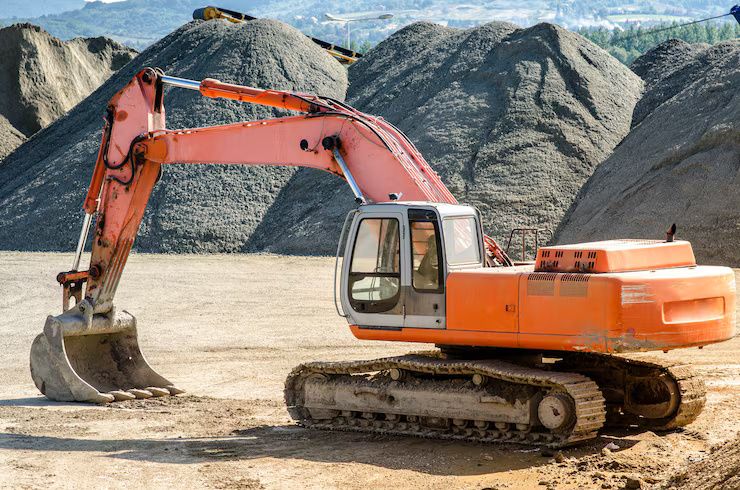
The development of self-driving excavators is part of a broader movement toward smart construction technology. By combining robotics, artificial intelligence, and digital monitoring systems, autonomous construction equipment is changing how companies approach large-scale infrastructure, building projects, and earthmoving operations.
Context
Understanding Autonomous Excavators
An autonomous excavator is a construction machine equipped with technologies that allow it to perform specific excavation activities using automated control systems.
Unlike fully independent machines in science fiction concepts, modern autonomous excavators usually operate within controlled environments where human operators, engineers, and supervisors remain involved in planning, monitoring, and safety management.
These machines commonly use:
- Sensors for environmental awareness
- GPS positioning systems
- Machine vision technology
- Artificial intelligence algorithms
- Digital control systems
- Communication networks
Together, these technologies help machines understand their position, surroundings, and operating requirements.
How Self-Driving Excavators Work
Self-driving excavators combine mechanical systems with intelligent software. The machine receives information from sensors and digital models, processes the information, and performs programmed movements.
A typical automated excavation process involves:
- Digital planning of excavation areas
- Machine positioning using navigation systems
- Detection of surrounding conditions
- Automated arm and bucket movements
- Continuous monitoring through sensors
- Human supervision and adjustment when required
The level of automation depends on the machine design, software capabilities, and project requirements.
Main Components of Autonomous Excavation Systems
| Component | Function |
|---|---|
| GPS and positioning systems | Helps determine machine location |
| Sensors and cameras | Detect surroundings and operating conditions |
| Hydraulic control systems | Manage arm, boom, and bucket movement |
| AI software | Processes data and supports automated actions |
| Digital construction models | Provide project information |
| Communication systems | Connect machines with monitoring platforms |
Development of Excavation Automation Technology
Excavation automation technology has developed from simple machine assistance systems into more advanced digital solutions.
Earlier construction machines focused mainly on mechanical power and operator control. Modern systems integrate:
- Electronic controls
- Machine guidance technology
- Data collection systems
- Remote monitoring
- Artificial intelligence
These improvements support more connected and data-driven construction operations.
Importance
Why Autonomous Excavators Matter
Construction projects often involve repetitive tasks, challenging environments, and complex planning requirements. Autonomous excavators are being developed to support these challenges through improved machine control and digital coordination.
Potential applications include:
- Large infrastructure projects
- Mining operations
- Road construction
- Utility installation
- Land development
- Remote construction areas
Role in Construction Machine Automation
Construction machine automation focuses on using technology to improve how heavy equipment performs specific tasks.
Automation systems may assist with:
- Machine positioning
- Excavation depth control
- Bucket movement
- Terrain analysis
- Project data collection
These technologies are designed to support operators and construction teams rather than completely remove human involvement.
Improving Excavation Accuracy
Excavation accuracy is important because incorrect digging depth or positioning can affect later construction stages.
Automated excavation systems may use digital models and sensors to support:
- Precise digging locations
- Consistent excavation depths
- Reduced material movement errors
- Better project coordination
Human oversight remains important for evaluating site conditions and making operational decisions.
Applications of Autonomous Construction Equipment
Autonomous construction equipment is being explored across several industries.
Infrastructure Projects: Autonomous excavators may support road development, bridges, and large construction projects.
Mining Operations: Robotic excavators and automated earthmoving equipment can assist in large-scale material handling environments.
Utility Construction: Automated systems may support trenching activities for pipelines, cables, and underground systems.
Remote Construction Sites: Automation can be useful in locations where continuous human presence is difficult.
Supporting Worker Safety
Construction environments may include heavy machinery, uneven terrain, and complex operating conditions. Automation technologies can assist with monitoring and machine control.
Safety-related applications may include:
- Obstacle detection
- Remote monitoring
- Controlled machine movement
- Digital site awareness
Proper training, planning, and safety procedures remain essential.
Recent Updates
Growth of AI-Powered Construction Machines
Between 2024 and 2026, artificial intelligence continued influencing construction equipment development. AI-powered construction machines use data analysis and machine learning techniques to improve operational capabilities.
AI applications may support:
- Machine performance analysis
- Terrain recognition
- Automated movement planning
- Equipment monitoring
These technologies continue developing as more construction data becomes available.
Expansion of Remote-Controlled Excavators
Remote-controlled excavators have gained attention for applications where operators need to manage machines from safer or more convenient locations.
Remote operation technology may support:
- Hazardous environments
- Difficult terrain
- Specialized construction projects
- Equipment monitoring
Remote systems usually involve human operators controlling machines through digital interfaces.
Integration of Digital Construction Equipment
Digital construction equipment connects machinery with software platforms, sensors, and project management systems.
Connected systems may provide information about:
- Equipment usage
- Machine condition
- Project progress
- Operational data
This information supports better planning and equipment management.
Development of Robotic Excavators
Robotic excavators represent a growing area within construction robotics. Researchers and equipment developers continue exploring machines that can perform specific excavation tasks with increasing levels of automation.
Research areas include:
- Autonomous navigation
- Advanced sensors
- Machine learning
- Automated task planning
Growth of Smart Construction Technology
Smart construction technology combines digital tools, automation, and data analysis to improve project management.
Examples include:
- Digital site models
- Connected machinery
- Automated measurement systems
- Construction analytics platforms
Laws or Policies
Construction Equipment Safety Regulations
Autonomous excavators must operate within existing construction safety frameworks. Regulations generally focus on equipment operation, worker protection, maintenance, and site management.
Safety requirements may address:
- Machine inspections
- Operator training
- Equipment controls
- Worksite procedures
Autonomous Equipment Guidelines
As automated construction equipment develops, governments and industry organizations continue studying guidelines for safe deployment.
Important considerations include:
- Human oversight
- Machine reliability
- Testing procedures
- Operational limits
Data Security Requirements
Autonomous construction machines depend on digital communication and collected data. Protecting this information is an important consideration.
Security areas may include:
- System access control
- Network protection
- Data management
- Software updates
Environmental Considerations
Construction equipment regulations may also address emissions, fuel efficiency, and environmental impact.
Automation technologies may support better monitoring of:
- Equipment usage
- Fuel consumption
- Operational efficiency
- Resource management
Tools and Resources
Digital Construction Planning Platforms
Digital planning tools help construction teams create project models and organize excavation activities.
These platforms may support:
- Site planning
- Machine coordination
- Project visualization
- Progress tracking
Machine Control Systems
Machine control systems provide digital guidance for construction equipment.
They may include:
- Position tracking
- Excavation guidance
- Depth monitoring
- Digital project information
Equipment Monitoring Software
Monitoring platforms collect information from construction machines.
Common functions include:
- Machine condition tracking
- Usage records
- Maintenance planning
- Performance analysis
Simulation and Training Tools
Simulation tools allow operators and engineers to study machine behavior and practice operating procedures in digital environments.
Applications may include:
- Operator training
- System testing
- Project planning
Industry Information Resources
People interested in autonomous construction technologies can explore information from:
- Engineering organizations
- Construction research institutions
- Government safety organizations
- Technical publications
- Industry associations
FAQs
What are autonomous excavators?
Autonomous excavators are construction machines that use automation technologies, sensors, and digital control systems to perform excavation tasks with reduced direct human operation.
How do self-driving excavators work?
Self-driving excavators use sensors, navigation systems, software, and automated controls to perform planned excavation activities while operating under human supervision.
What is excavation automation technology?
Excavation automation technology includes digital tools, robotics, sensors, and software systems designed to support automated or assisted excavation tasks.
Can autonomous excavators replace operators?
Autonomous excavators are generally designed to support construction teams. Human supervision, planning, and safety management remain important parts of machine operation.
Where are autonomous construction equipment systems used?
Autonomous construction equipment is being explored in areas such as infrastructure development, mining, road construction, utility projects, and remote construction environments.
Conclusion
Autonomous excavators represent an important development in construction automation and heavy equipment technology. By combining artificial intelligence, sensors, robotics, and digital systems, these machines support more connected excavation processes. Self-driving excavation technologies continue evolving through improvements in automation, safety systems, and smart construction platforms. Human oversight, regulatory standards, and responsible implementation remain important factors in the future development of autonomous construction equipment.