Blue sapphire jewellery is valued for its rich blue color, durability, and timeless appearance. The central gemstone, blue sapphire, belongs to the corundum mineral family, which also includes rubies.
Its blue shades can range from pale sky blue to deep navy, depending on the gemstone's chemical composition, crystal structure, and treatment history.
Traditionally, blue sapphire has been associated with wisdom, loyalty, confidence, and good fortune in different cultures. Today, it appears in a wide variety of jewellery designs, including rings, necklaces, earrings, pendants, bracelets, and statement pieces. Its versatility makes it suitable for everyday accessories, formal occasions, and special celebrations.
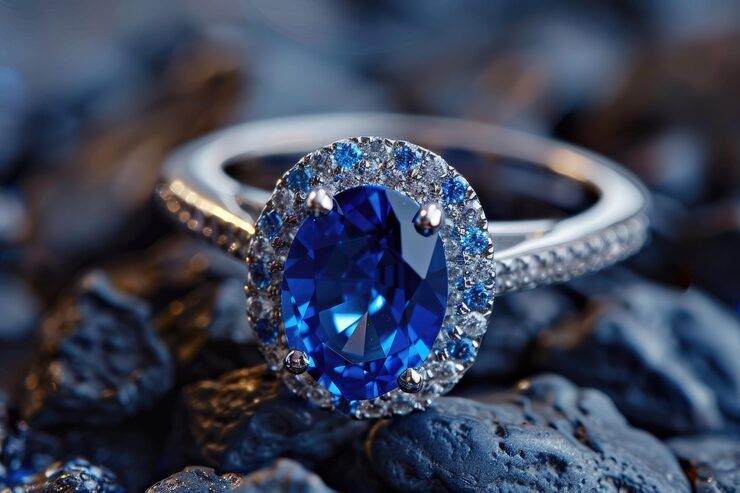
Blue sapphire jewellery is available in natural and laboratory-grown varieties. Natural sapphires develop through geological processes over long periods, while laboratory-grown sapphires are created under controlled conditions. Both contain the same primary mineral, but their origins and market values differ.
The gemstone is often set in gold, white gold, platinum, or sterling silver. The choice of metal influences the overall appearance, durability, and maintenance requirements of a piece. Understanding gemstone quality, jewellery construction, and care practices can help consumers choose designs that match their preferences and intended use.
Importance
Blue sapphire jewellery combines visual appeal with practical durability. Sapphire ranks 9 on the Mohs hardness scale, making it one of the hardest gemstones used in jewellery. However, hardness measures resistance to scratching, not complete resistance to damage. Strong impacts, existing fractures, or unsuitable settings can still cause a sapphire to chip or break.
1. Timeless appearance
Blue sapphire's distinctive color works with both traditional and contemporary designs. A simple sapphire pendant can complement everyday clothing, while a large gemstone ring can serve as a focal point for formal attire. Classic settings also allow sapphire jewellery to remain visually relevant as fashion trends change.
2. Variety of designs
Jewellers use blue sapphires in solitaire rings, halo settings, cluster earrings, tennis bracelets, and gemstone necklaces. A solitaire setting emphasizes one central stone, while a halo design surrounds it with smaller gemstones, often diamonds. Sapphire jewellery may feature a single shade of blue or combine several gemstones for a contrasting appearance.
3. Durability for regular wear
Because sapphire is highly scratch-resistant, it can be suitable for jewellery worn frequently. Rings and bracelets still require secure settings and routine inspection, as daily activities can loosen gemstone mounts or expose pieces to damaging impacts.
4. Personal and cultural significance
Blue sapphire has historical associations with loyalty, wisdom, protection, and spiritual traditions. Some people choose it as a birthstone or for its symbolic meaning. These associations vary between cultures and belief systems, and they should be understood as traditions rather than scientifically established effects.
5. Individual expression
The gemstone's wide range of blue tones allows people to select jewellery according to personal style. Lighter shades can create a delicate appearance, while vivid royal blue or dark blue stones can produce a more dramatic effect. Metal color, stone size, and setting design further influence the finished look.
Recent Updates
The gemstone and fine-jewellery market continues to evolve through changing design preferences, improved gemstone identification, and greater attention to sourcing transparency. Several developments are relevant to people exploring blue sapphire jewellery.
Interest in gemstone transparency
Consumers increasingly benefit from clear information about whether a sapphire is natural or laboratory-grown and whether it has undergone treatment. Heat treatment is a common method used to improve the color or clarity of sapphires. Other treatments may affect appearance and long-term care requirements. Accurate disclosure helps buyers understand what they are choosing.
Laboratory-grown sapphire options
Laboratory-grown sapphires provide an alternative to naturally formed stones. They share sapphire's primary chemical composition and crystal structure but differ in origin. Their appearance, availability, and pricing can vary by production method, quality, and market conditions. Clear identification is important because natural and laboratory-grown gemstones may look similar to the unaided eye.
Modern jewellery designs
Contemporary designs include minimal sapphire studs, slim gemstone bands, geometric pendants, mixed-metal pieces, and sapphire rings surrounded by small diamonds. Vintage-inspired settings also remain popular among people who prefer detailed metalwork and traditional craftsmanship.
Growing attention to responsible sourcing
Interest in gemstone origin and supply-chain transparency has encouraged closer scrutiny of sourcing practices. Buyers may ask about a stone's country of origin, treatment history, and available documentation. However, origin claims are not always independently verifiable, and a gemstone's country of origin does not by itself determine its quality.
As of October 2026, gemstone availability, fashion preferences, and market values continue to change. Consumers should rely on current documentation and independent gemological assessments when a purchase involves a particularly valuable stone.
Laws or Policies
The legal and regulatory requirements for blue sapphire jewellery depend on the country where it is manufactured, marketed, imported, or purchased. In India, several considerations are relevant to jewellery consumers.
Gemstone disclosure
Accurate descriptions should distinguish natural gemstones from laboratory-grown stones and disclose relevant treatments where required by applicable rules or recognized trade practices. Consumers should request written details rather than relying only on verbal descriptions.
Hallmarking and metal purity
Hallmarking requirements apply to specified categories of precious-metal jewellery under India's applicable framework. Gold jewellery buyers can check relevant Bureau of Indian Standards (BIS) guidance and applicable hallmarking requirements. A metal-purity hallmark concerns the precious metal; it does not independently certify the sapphire's authenticity, origin, or quality.
Consumer protection
India's consumer protection framework addresses misleading representations and unfair trade practices. Jewellery descriptions, invoices, certificates, and stated gemstone characteristics should be reviewed carefully. Written documentation can help resolve disagreements about a stone's identity or treatment.
Gemstone certification
An independent gemological report can provide information about gemstone identity and certain characteristics. Depending on the laboratory and report type, it may identify whether a sapphire is natural or laboratory-grown and describe detectable treatments. Not every report establishes geographic origin, and certification does not automatically guarantee future resale value.
Requirements can change, so buyers should consult current official guidance from BIS, relevant consumer-protection authorities, and qualified gemological laboratories before making decisions involving significant purchases.
Tools and Resources
The following resources can help consumers learn about sapphire quality, gemstone identification, and jewellery standards.
1. Gemological Institute of America (GIA)
GIA provides educational material about sapphire characteristics, gemstone treatments, grading factors, and laboratory-grown gemstones. Its resources can help readers understand how color, clarity, cut, and origin information influence evaluation.
2. Bureau of Indian Standards (BIS)
BIS publishes information about hallmarking and precious-metal standards in India. Its resources are useful for understanding metal-purity marks on eligible jewellery.
3. International Gem Society (IGS)
IGS offers educational articles on gemstone properties, jewellery settings, and gemstone care. These materials can help beginners understand common sapphire varieties and design considerations.
4. Reputable gemological laboratories
Established gemological laboratories can examine sapphires and issue reports describing specified gemstone characteristics. Consumers should confirm that a report number corresponds to the actual stone and review exactly what the report covers.
5. Jewellery invoices and care documentation
A detailed invoice should describe the item, metal type, gemstone characteristics as represented, and any applicable warranty or return conditions. Keeping these records can help with future maintenance, insurance, and verification.
FAQs
1. What is blue sapphire jewellery?
Blue sapphire jewellery consists of rings, necklaces, earrings, bracelets, pendants, or other accessories featuring blue sapphire gemstones. These stones may be natural or laboratory-grown and are commonly set in gold, platinum, or silver.
2. Is blue sapphire suitable for everyday wear?
Yes, sapphire's hardness makes it suitable for many everyday jewellery designs. Nevertheless, rings and bracelets should be protected from strong impacts, harsh chemicals, and activities that could damage the setting.
3. How can I distinguish natural and laboratory-grown blue sapphires?
Visual appearance alone may not provide a reliable distinction. Both can look similar, and specialized gemological examination may be necessary. An appropriate independent report can help establish whether a sapphire is natural or laboratory-grown.
4. What determines the quality of a blue sapphire?
Important factors include color, clarity, cut, carat weight, treatment history, and whether the stone is natural or laboratory-grown. Vivid, attractive color and a well-executed cut are often desirable, but the ideal combination depends on individual preferences and the specific gemstone.
5. Which metal looks best with blue sapphire?
White gold and platinum create a cool, coordinated appearance, while yellow gold offers a warmer contrast. Rose gold provides another distinctive option, and sterling silver can suit more accessible or contemporary designs. The best choice depends on style, budget, and intended use.
6. Does blue sapphire have special spiritual benefits?
Various cultural and astrological traditions associate blue sapphire with wisdom, protection, prosperity, or planetary influences. These beliefs are not scientifically established. Anyone choosing sapphire for symbolic reasons can treat those associations as personal or cultural meaning.
7. How should blue sapphire jewellery be cleaned?
For many untreated or heat-treated sapphires, gentle cleaning with lukewarm water, mild soap, and a soft brush is suitable. Rinse carefully and dry with a soft cloth. Avoid harsh chemicals, and seek professional advice before using ultrasonic or steam cleaners, particularly for treated stones or delicate settings.
8. Should I obtain a certificate for blue sapphire jewellery?
An independent gemological report can be particularly useful for valuable gemstones. It may provide information about natural or laboratory-grown origin and detectable treatments. Buyers should verify the report with the issuing laboratory and ensure it refers to the exact gemstone being examined.
Conclusion
Blue sapphire jewellery offers a combination of distinctive color, durability, design versatility, and cultural significance. From understated earrings to elaborate rings and necklaces, it can complement different personal styles and occasions. Understanding gemstone characteristics helps consumers make more informed choices.
Before selecting a piece, consider the shade of blue, cut, clarity, setting, metal type, treatment history, and available documentation. Confirm whether the sapphire is natural or laboratory-grown, and seek independent gemological assessment when appropriate. Proper cleaning, careful storage, and periodic setting inspections can help preserve its appearance over time.