
Modern electrical and electronic systems depend on reliable circuit protection to operate safely and efficiently. Whether it's a residential electrical panel, an industrial automation system, a renewable energy installation, or a data center, circuit protection devices play a critical role in preventing electrical faults, equipment damage, and operational interruptions.
As industries adopt smart manufacturing, electric vehicles, cloud infrastructure, and advanced automation, the importance of effective electrical protection continues to grow. Modern protection technologies not only safeguard equipment but also improve energy efficiency, operational reliability, and compliance with international safety standards.
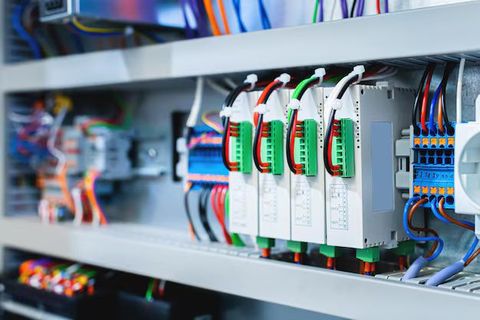
This guide explains how circuit protection works, the different types of protection devices, where they are used, and how emerging technologies are transforming electrical safety.
What Is Circuit Protection?
Circuit protection is the process of safeguarding electrical systems from abnormal conditions such as overloads, short circuits, ground faults, overvoltage, and electrical surges. Protection devices automatically interrupt or control electrical current before damage occurs.
Without proper protection, electrical faults can affect expensive equipment, disrupt production processes, reduce system reliability, and increase safety risks.
Modern circuit protection is designed to:
- Prevent equipment damage
- Improve electrical safety
- Minimize downtime
- Protect sensitive electronic systems
These objectives make circuit protection an essential component of every electrical installation.
Why Circuit Protection Is Important
Today's electrical systems are more complex than ever. Manufacturing plants, hospitals, commercial buildings, renewable energy facilities, and data centers rely on uninterrupted power to support critical operations.
Even a brief electrical fault can affect productivity and damage valuable equipment.
For example, an industrial automation line may contain robotic systems, PLC controllers, industrial sensors, and variable frequency drives. A properly designed protection system helps isolate electrical faults quickly, preventing damage from spreading throughout the entire network.
Common Electrical Faults
Understanding common electrical faults helps explain why different protection devices are required.
Overload Conditions
An overload occurs when equipment draws more current than a circuit is designed to handle over an extended period.
This generates excessive heat, which may reduce equipment lifespan and damage electrical components if left unprotected.
Short Circuits
A short circuit happens when electrical current follows an unintended low-resistance path.
Because current rises almost instantly, rapid interruption is necessary to protect conductors and connected equipment.
Ground Faults
Ground faults occur when electrical current flows through an unintended path toward the ground.
Ground fault protection is especially important in environments where electrical safety directly affects people.
Surge and Overvoltage Events
Lightning activity, switching operations, and utility disturbances may create sudden voltage spikes.
Sensitive electronics such as servers, industrial controllers, communication systems, and medical equipment often require dedicated surge protection.
Types of Circuit Protection Devices
Different applications require different protection technologies. Each device is designed to respond to specific electrical conditions.
Circuit Breakers
Circuit breakers are among the most widely used electrical protection devices.
Unlike traditional protective components, breakers automatically disconnect power during fault conditions and can usually be reset after the issue has been resolved.
They are commonly installed in residential buildings, commercial facilities, industrial plants, and renewable energy systems.
Fuses
Fuses provide protection by interrupting current when it exceeds safe operating limits.
Although simple in design, they remain widely used because of their reliability and rapid response during severe fault conditions.
Residual Current Devices
Residual Current Devices (RCDs) help reduce electrical hazards by detecting current leakage toward the ground.
These devices are frequently used in residential, commercial, and healthcare environments where personnel safety is especially important.
Surge Protection Devices
Surge Protection Devices (SPDs) protect electrical systems from temporary overvoltage events.
They are commonly installed in:
- Data centers
- Industrial automation systems
- Solar power installations
- Telecommunications infrastructure
These devices help protect valuable electronic equipment from unexpected voltage spikes.
How Circuit Protection Works
Although protection devices differ in design, they all monitor electrical conditions and respond when abnormal operating conditions are detected.
Fault Detection
Protection begins with continuous monitoring of electrical current and voltage.
When measurements exceed predefined operating limits, the protection device recognizes a fault condition.
Automatic Isolation
Once a fault is detected, the device disconnects the affected portion of the electrical circuit.
This rapid isolation helps prevent additional damage while allowing unaffected systems to continue operating whenever possible.
System Recovery
After the fault has been identified and corrected, certain protection devices allow electrical systems to return to normal operation.
Modern intelligent protection equipment may also record fault information to assist maintenance teams during troubleshooting.
Electrical Safety Standards
Circuit protection systems are designed to comply with recognized electrical safety standards.
These standards help ensure that electrical installations operate safely, consistently, and reliably across different industries.
Safety requirements generally focus on:
- Equipment performance
- Electrical insulation
- Fault interruption capability
- Installation practices
Compliance helps organizations improve operational reliability while supporting workplace safety objectives.
Industrial Applications
Circuit protection technologies are essential across numerous industries.
Manufacturing and Industrial Automation
Manufacturing facilities depend on reliable electrical systems to operate robotic production lines, CNC machinery, programmable controllers, and industrial motors.
Proper protection minimizes equipment damage while supporting continuous production.
Renewable Energy Systems
Solar power plants, wind farms, and battery energy storage systems require specialized protection equipment capable of handling varying electrical loads and environmental conditions.
Protection systems help improve operational reliability throughout renewable energy installations.
Data Centers and Cloud Infrastructure
Modern data centers contain thousands of servers, networking devices, and storage systems.
Electrical interruptions can affect business operations, making advanced circuit protection an important component of data center infrastructure.
Electric Vehicle Charging Infrastructure
As electric vehicle adoption increases, charging stations require dependable electrical protection to safeguard charging equipment and connected vehicles.
Specialized protection devices help manage high-power electrical systems safely and efficiently.
Smart Circuit Protection Technologies
Digital transformation has introduced intelligent monitoring capabilities into electrical protection systems.
Modern smart protection devices provide real-time information about system performance and electrical conditions.
These technologies may include:
- Remote monitoring
- Predictive maintenance
- Digital fault diagnostics
- Cloud-based energy management
By analyzing operational data continuously, organizations can identify potential issues before major failures occur.
Selecting the Right Protection Solution
Choosing the appropriate protection device depends on several technical factors.
Electrical engineers typically evaluate operating voltage, current capacity, fault levels, environmental conditions, and application requirements before selecting protection equipment.
Proper system design also considers future expansion, maintenance accessibility, and overall reliability objectives.
A carefully planned protection strategy supports both operational efficiency and long-term equipment performance.
Future Trends in Circuit Protection
The future of circuit protection is being shaped by automation, artificial intelligence, and smart electrical infrastructure.
Emerging technologies include AI-powered fault analysis, intelligent circuit breakers, digital substations, Industrial Internet of Things (IIoT) integration, and advanced energy management systems.
As industries continue adopting smart factories, renewable energy, and connected infrastructure, circuit protection will become increasingly intelligent, predictive, and data-driven.
These innovations are expected to improve electrical reliability while reducing maintenance requirements and enhancing overall system safety.
Conclusion
Circuit protection is a fundamental part of every modern electrical system. From simple residential installations to advanced industrial automation and renewable energy facilities, protection devices help maintain safe, reliable, and efficient operation.
Understanding different protection technologies, electrical fault types, and safety standards allows organizations and individuals to make informed decisions when designing or upgrading electrical systems. As smart technologies continue to evolve, modern circuit protection will play an even greater role in supporting reliable power distribution, equipment protection, and long-term operational performance.