
Electrical Discharge Machining (EDM) is a non-traditional manufacturing process that removes material from electrically conductive workpieces using controlled electrical sparks. Unlike conventional machining, which uses cutting tools to physically remove material, EDM uses repeated electrical discharges between an electrode and a workpiece to produce the required shape.
The technology developed from research into electrical spark erosion and became an important manufacturing method for producing complex components from hard metals. EDM is particularly useful when conventional cutting tools face difficulties machining intricate shapes, narrow cavities, or hardened materials.
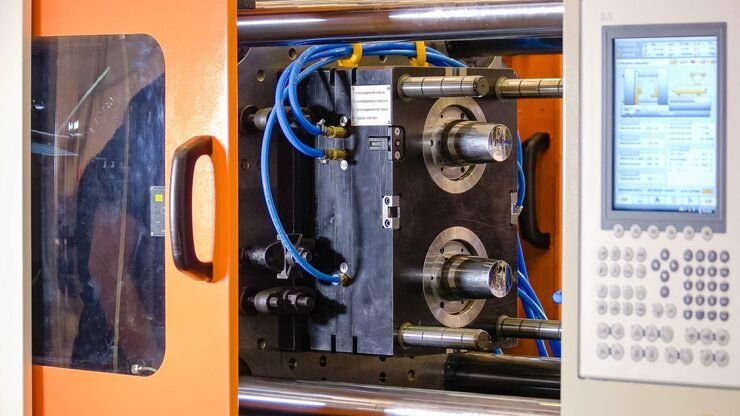
Today, electrical discharge machining is used in aerospace manufacturing, automotive production, medical equipment manufacturing, precision tooling, electronics, and industrial component production.
Why Electrical Discharge Machining Matters in Modern Manufacturing
Modern manufacturing requires components with precise dimensions, complex geometries, and specialized surface characteristics. Traditional machining methods may face limitations when working with hardened steel, carbide, titanium alloys, and other electrically conductive materials.
EDM addresses these challenges by removing material through controlled electrical energy rather than direct mechanical cutting forces.
Its importance can be understood through several applications:
Precision Component Manufacturing: Producing intricate shapes and detailed features in metal components.
Tool and Die Production: Creating molds, dies, and tooling cavities used in industrial manufacturing.
Aerospace Engineering: Machining specialized components with complex geometries.
Automotive Manufacturing: Producing precision tooling, injection molds, and selected engine components.
Medical Equipment Manufacturing: Creating detailed metal components for specialized medical instruments.
Electronics Manufacturing: Producing small conductive components and precision tooling.
EDM is particularly relevant when the workpiece material is electrically conductive and its hardness makes conventional machining difficult.
Major Types of Electrical Discharge Machining Machines
Different EDM machine configurations are designed for specific machining requirements. The main types include die-sinking EDM, wire EDM, and hole-drilling EDM.
Die-Sinking EDM Machines
Die-sinking EDM, also known as ram EDM or cavity-type EDM, uses a shaped electrode to create cavities in a conductive workpiece.
The electrode and workpiece are positioned inside a dielectric fluid. Electrical discharges occur across a small gap, gradually removing material from the workpiece.
Common applications include:
Injection mold cavities.
Forging dies.
Precision metal tooling.
Complex industrial cavities.
Hardened steel components.
Wire EDM Machines
Wire EDM uses a continuously moving thin metallic wire as an electrode. Electrical discharges between the wire and the workpiece remove material along a programmed cutting path.
The wire does not normally make physical contact with the workpiece. Computer numerical control (CNC) systems guide its movement to produce detailed profiles.
Common applications include precision cutting of:
Punches and dies.
Carbide components.
Precision gears.
Aerospace components.
Complex metal profiles.
Hole-Drilling EDM Machines
Hole-drilling EDM machines create small-diameter holes in electrically conductive materials using a tubular electrode.
The process is useful for producing deep, narrow holes that may be difficult to create using conventional drilling methods.
Applications include cooling holes in turbine components, precision industrial tooling, and specialized metal parts.
EDM Machine Type | Main Working Method | Common Applications |
|---|---|---|
Die-sinking EDM | Shaped electrode removes material | Mold and die cavities |
Wire EDM | Moving wire electrode cuts profiles | Precision profiles and punches |
Hole-drilling EDM | Tubular electrode creates holes | Deep and narrow holes |
Electrical Discharge Machining Working Principle and Manufacturing Process
The EDM machining process is based on controlled electrical discharges between two conductive surfaces separated by a small gap.
The electrode and workpiece are positioned inside a dielectric medium. When an appropriate electrical voltage is applied, repeated sparks occur across the gap, generating localized heat that melts and vaporizes small amounts of workpiece material.
The dielectric fluid helps control the discharge process, cool the machining area, and remove eroded particles.
Main Stages of the EDM Process
Workpiece Preparation: The conductive material is secured inside the EDM machine and positioned according to the machining requirements.
Electrode Selection: An appropriate electrode is selected based on the required geometry and machining method. Common electrode materials include copper, graphite, and brass wire.
Electrical Discharge Generation: The machine generates controlled electrical pulses between the electrode and workpiece.
Material Removal: Localized thermal energy removes small quantities of material from the workpiece surface.
Dielectric Fluid Circulation: The dielectric medium helps maintain the machining environment and remove particles produced during erosion.
CNC Control and Finishing: Computer-controlled movement guides the machining operation, while finishing passes can improve dimensional accuracy and surface characteristics.
EDM Machining Technologies and Advanced Manufacturing Systems
Technological developments have expanded the capabilities of modern EDM equipment. CNC controls, automated electrode systems, improved power supplies, and advanced monitoring technologies are influencing industrial machining operations.
CNC EDM Machines
CNC EDM machines use programmed instructions to control electrode movement, cutting paths, and machining parameters.
These systems support repeatable manufacturing operations and are widely used in precision tooling and industrial component production.
Micro EDM Technology
Micro EDM is designed for machining very small features and miniature components. It is used in electronics, medical equipment, micro-tooling, and precision engineering.
The process requires careful control of electrical pulses, electrode dimensions, and machining conditions.
Automated EDM Manufacturing
Automated EDM systems can integrate electrode changing, workpiece handling, measurement equipment, and CNC machining controls.
Automation helps coordinate multiple manufacturing stages and supports consistent production workflows.
Hybrid Manufacturing Technologies
Some advanced manufacturing systems combine EDM with other machining processes, such as CNC milling and grinding. These approaches allow manufacturers to use different technologies according to component geometry and material requirements.
Global EDM Machine Manufacturers and Industrial Equipment Suppliers
The international EDM equipment industry includes manufacturers specializing in wire EDM, die-sinking EDM, hole-drilling systems, and CNC precision machining technologies.
Some recognized companies in this industry include:
GF Machining Solutions: Develops wire EDM, die-sinking EDM, and advanced manufacturing equipment.
Sodick: Produces wire EDM, die-sinking EDM, and linear motor-driven machining systems.
Mitsubishi Electric: Develops wire-cut EDM and electrical discharge machining equipment.
Makino: Manufactures EDM systems and CNC machining equipment.
ONA: Specializes in industrial wire EDM and die-sinking EDM technology.
Seibu Electric: Develops wire electrical discharge machining systems.
CHMER: Produces EDM machinery for industrial manufacturing applications.
Machine specifications, automation capabilities, technical configurations, and available equipment vary across manufacturers and product ranges.
Industrial Applications of Electrical Discharge Machining
EDM technology is used in several industries where conventional machining may not be suitable for particular component geometries or material characteristics.
Aerospace and Aviation Manufacturing
Aerospace manufacturers use EDM for selected turbine components, precision metal profiles, and specialized alloy machining. Wire EDM and hole-drilling EDM are particularly relevant for intricate component features.
Automotive Manufacturing
The automotive industry uses EDM to produce injection molds, stamping dies, precision tooling, and specialized metal components.
Medical Equipment Manufacturing
EDM can be used to manufacture intricate conductive metal parts used in medical instruments and specialized equipment.
Mold and Die Manufacturing
Tool and die manufacturers use EDM to create complex cavities, sharp internal corners, and detailed profiles in hardened materials.
Electronics and Precision Engineering
EDM supports the production of miniature conductive components, precision tooling, and specialized engineering parts used in electronic manufacturing.
Electrical Discharge Machining Regulations and Industrial Safety Standards
EDM equipment operates through electrical energy, thermal processes, and dielectric fluids. Therefore, manufacturing facilities must consider electrical safety, fire prevention, fluid handling, ventilation, and machine guarding.
In the United States, the Occupational Safety and Health Administration (OSHA) establishes workplace safety requirements relevant to industrial machinery and electrical equipment.
The National Fire Protection Association (NFPA) publishes standards addressing electrical safety and fire prevention. Internationally, the International Organization for Standardization (ISO) develops standards relating to quality management, manufacturing processes, and occupational safety.
Manufacturing facilities may need to consider:
Electrical isolation and machine grounding.
Dielectric fluid storage and handling.
Fire prevention and emergency procedures.
Machine guarding and operator protection.
Industrial ventilation requirements.
Waste fluid and particle management.
Applicable requirements depend on the equipment configuration, workplace conditions, and local regulations.
Recent Developments in EDM Manufacturing, 2024–2026
Electrical discharge machining continues to develop through improvements in automation, machine controls, energy management, and precision manufacturing.
Intelligent CNC Controls: Advanced control systems are improving the monitoring of electrical discharge conditions and machining parameters.
Automation Integration: Robotic workpiece handling and automated electrode management are becoming increasingly relevant in integrated manufacturing environments.
Micro-Machining Applications: Demand for miniature engineering components is supporting developments in micro EDM and precision electrical discharge technologies.
Digital Manufacturing: Machine monitoring, production data collection, and digital factory integration are connecting EDM equipment with broader manufacturing systems.
Energy and Fluid Management: Equipment development increasingly considers electrical efficiency, dielectric fluid condition, filtration, and waste management.
These developments reflect the wider movement toward connected, automated, and data-driven industrial manufacturing.
Frequently Asked Questions About Electrical Discharge Machining
1. What is electrical discharge machining used for?
Electrical discharge machining is used to manufacture complex shapes, precision cavities, narrow profiles, and intricate features in electrically conductive materials. Common applications include mold manufacturing, aerospace components, and precision tooling.
2. What are the three main types of EDM machines?
The three main types are die-sinking EDM, wire EDM, and hole-drilling EDM. Each uses a different electrode configuration and machining approach.
3. How does a wire EDM machine work?
A wire EDM machine uses a continuously moving metallic wire electrode to remove material through controlled electrical discharges. CNC controls guide the wire along a programmed cutting path.
4. Which materials can be machined using EDM technology?
EDM can machine electrically conductive materials such as tool steel, stainless steel, titanium alloys, copper, aluminum, and tungsten carbide. Material hardness is less restrictive than in conventional cutting, but electrical conductivity is essential.
5. Who are the major industrial EDM machine manufacturers?
Recognized EDM machine manufacturers include GF Machining Solutions, Sodick, Mitsubishi Electric, Makino, ONA, Seibu Electric, and CHMER. Their product ranges include different wire-cut, die-sinking, and precision EDM systems.
Conclusion
Electrical discharge machining is an important non-traditional manufacturing technology used to produce complex and precise features in electrically conductive materials. Its major types include die-sinking EDM, wire EDM, and hole-drilling EDM, each supporting different industrial requirements. CNC controls, automation, and micro-machining technologies continue to influence modern EDM manufacturing processes. Aerospace, automotive, medical equipment, electronics, and mold manufacturing remain important application areas for this technology.