Electric vehicles are changing how organizations approach transportation and fleet management.
As battery technology develops and charging infrastructure expands, electric cars, vans, trucks, and specialized commercial vehicles are becoming increasingly relevant for businesses that operate multiple vehicles.
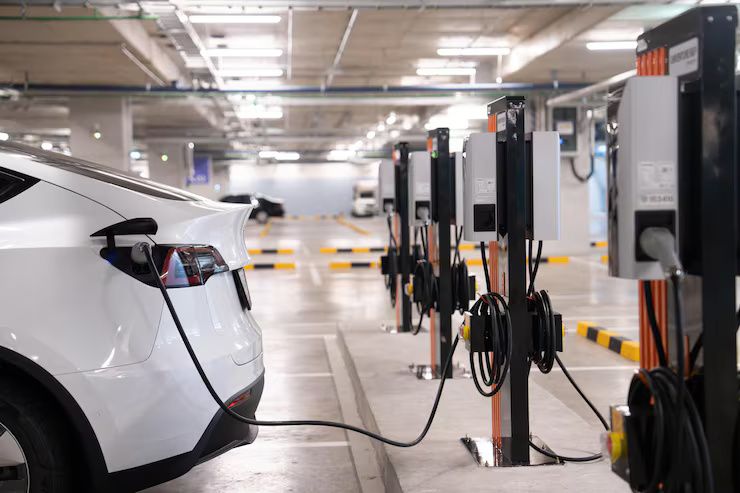
Managing an electric fleet involves more than replacing conventional vehicles with battery-powered alternatives. Fleet operators need to consider vehicle range, charging schedules, route requirements, battery performance, driver behavior, maintenance, energy management, and operational planning. A successful transition depends on understanding how these elements work together.
This guide explains the fundamentals of EV fleet management, including electric vehicle selection, charging infrastructure, fleet planning, battery considerations, maintenance, and emerging technologies.
What Is an EV Fleet?
An EV fleet is a group of electric vehicles operated by an organization for business, transportation, delivery, service, logistics, or other operational purposes.
An electric fleet may include:
- Passenger cars
- Delivery vans
- Utility vehicles
- Light commercial vehicles
- Electric buses
- Medium-duty trucks
- Specialized electric vehicles
The right vehicle mix depends on daily travel distances, payload requirements, operating conditions, charging availability, and route patterns.
Unlike a conventional fleet, an EV fleet requires energy planning alongside traditional vehicle and driver management.
How Electric Vehicles Work in Fleet Operations
Electric vehicles use battery packs to store electrical energy and electric motors to convert that energy into motion. Instead of relying on an internal combustion engine and conventional fuel system, EVs use an electric drivetrain controlled by sophisticated electronic systems.
During operation, energy consumption varies according to:
- Vehicle weight
- Driving speed
- Traffic conditions
- Road gradients
- Weather
- Heating or cooling requirements
- Driving behavior
- Payload
Regenerative braking can recover some kinetic energy during deceleration and return it to the battery, helping improve overall efficiency.
For fleet operators, understanding these variables is important because real-world energy consumption may differ significantly from laboratory or manufacturer estimates.
Choosing Electric Vehicles for a Fleet
Vehicle selection should begin with operational requirements rather than vehicle specifications alone.
Fleet managers should examine:
Daily Distance
Analyze typical routes and the maximum distance vehicles travel between charging opportunities. Vehicles with sufficient usable range for their regular routes can reduce operational disruption.
Payload and Vehicle Capacity
Delivery and commercial fleets must consider cargo weight, passenger capacity, and equipment requirements. Additional payload can affect energy consumption and driving range.
Operating Environment
Urban delivery routes, highway transportation, rural operations, and stop-and-go service work create different energy requirements.
Vehicle Availability
Fleet planning should consider whether suitable electric models are available for the required vehicle category and operating conditions.
The most appropriate EV is therefore determined by the relationship between vehicle capabilities and actual fleet requirements.
EV Fleet Charging Infrastructure
Charging infrastructure is one of the most important elements of electric fleet management.
A fleet may use several charging approaches depending on vehicle schedules and operational needs.
Depot Charging
Vehicles return to a central location where charging equipment is installed. This approach can work particularly well for fleets with predictable routes and overnight parking.
Workplace Charging
Vehicles can charge while drivers or employees are working. This approach may support fleets with longer dwell periods during the day.
Public Charging
Public charging networks can provide additional flexibility for vehicles operating away from their normal facilities.
Opportunity Charging
Some fleets may use shorter charging sessions during planned stops or scheduled breaks to support continued operation.
The appropriate charging strategy depends on route timing, vehicle battery capacity, parking patterns, and daily energy requirements.
Smart Charging and Energy Management
Charging multiple electric vehicles at the same time can place significant demand on an electrical system. Smart charging technologies help coordinate when vehicles receive energy.
Instead of charging every vehicle immediately, fleet management software can prioritize vehicles based on departure times, battery levels, route requirements, and available electrical capacity.
Smart charging can help organizations:
- Coordinate vehicle schedules
- Reduce unnecessary peak demand
- Improve charger utilization
- Prioritize vehicles with earlier departures
- Monitor charging activity
- Integrate renewable energy where available
This turns charging from a simple plug-in activity into an important part of fleet operations.
EV Fleet Management Software
Digital fleet management platforms can bring vehicle, charging, driver, and operational information into one system.
Depending on the platform, fleet managers may monitor:
- Vehicle location
- Battery state of charge
- Energy consumption
- Charging activity
- Vehicle utilization
- Route performance
- Maintenance requirements
- Driver behavior
Data analysis can help identify inefficient routes, unusual energy consumption, underused vehicles, and charging conflicts.
For larger fleets, centralized visibility becomes increasingly important because multiple vehicles may require charging at different times and locations.
Battery Management and Range Planning
Battery performance is a central consideration for an EV fleet.
Modern electric vehicles use battery management systems to monitor factors such as temperature, voltage, current, and charging conditions. These systems help maintain battery operation within appropriate parameters.
Fleet managers should also understand that usable range can change depending on environmental and operating conditions.
Cold or hot weather, high speeds, heavy loads, and extensive climate-control use can affect energy consumption.
Instead of planning routes around a single theoretical range figure, fleet operators should analyze real-world operating patterns and maintain appropriate operational reserves.
Maintenance for Electric Fleets
Electric vehicles generally have different maintenance requirements from conventional vehicles.
They do not use traditional engine oil, spark plugs, or many other engine-related components. However, EVs still require attention to systems such as:
- Tires
- Brakes
- Suspension
- Steering
- Cooling systems
- High-voltage components
- Charging equipment
- Battery systems
- Software
Regenerative braking can reduce mechanical brake usage in some operating conditions, but brake inspection remains important.
Fleet maintenance programs should be adapted to the specific vehicle manufacturer's requirements and the fleet's operating environment.
Driver Training and Fleet Operations
Driver behavior can influence electric vehicle efficiency and range.
Fleet training may cover:
- Efficient acceleration
- Regenerative braking
- Range awareness
- Charging procedures
- Safe handling of charging equipment
- Dashboard and warning indicators
- Route planning
Drivers also need to understand how weather, payload, speed, and climate control affect battery consumption.
Clear procedures can help create consistent operating practices across the fleet.
Safety Considerations
Electric fleet safety requires appropriate procedures for both vehicles and charging infrastructure.
Organizations should establish clear protocols covering charging equipment, damaged vehicles, electrical systems, emergency situations, and maintenance activities.
High-voltage vehicle systems require trained personnel and appropriate safety procedures. Charging areas should also be designed with suitable electrical protection, ventilation where required, vehicle movement controls, and emergency planning.
Fleet safety programs should follow applicable regulations, manufacturer instructions, and qualified technical guidance.
Common EV Fleet Management Challenges
Transitioning to electric vehicles can introduce several operational challenges.
Charging Coordination
Multiple vehicles may require energy during the same period. Scheduling and smart charging can help manage competing requirements.
Range Uncertainty
Actual range varies with operating conditions, requiring realistic route planning.
Infrastructure Planning
Charging equipment must match fleet size, vehicle requirements, parking arrangements, and available electrical capacity.
Operational Transition
Drivers, technicians, and managers may need training to adapt to new technologies and procedures.
Data Management
As fleets become increasingly connected, organizations need effective systems for interpreting vehicle and charging information.
Addressing these challenges during planning can make fleet electrification more structured and predictable.
Future Trends in EV Fleet Management
The EV fleet landscape continues to evolve as vehicle technology, charging systems, and digital platforms develop.
Important trends include:
- Faster charging technologies
- Improved battery energy density
- Advanced fleet analytics
- Automated charging management
- Vehicle-to-grid integration
- Renewable energy integration
- Connected fleet platforms
- Predictive maintenance
- Electric commercial vehicles
- Greater charging interoperability
Vehicle-to-grid technology is particularly notable because compatible vehicles may eventually interact dynamically with electrical networks, allowing stored battery energy to become part of broader energy management strategies.
Frequently Asked Questions
What is an EV fleet?
An EV fleet is a group of electric vehicles operated by an organization for transportation, delivery, service, logistics, or other business activities.
What is the most important part of EV fleet planning?
Charging and route planning are among the most important considerations because vehicles must have sufficient energy to complete scheduled operations while maintaining practical charging availability.
How does weather affect electric fleet vehicles?
Temperature can influence battery performance and energy consumption. Heating, cooling, road conditions, and changes in driving patterns can also affect real-world range.
Do electric vehicles require regular maintenance?
Yes. Although EVs have fewer conventional engine components, they still require maintenance for tires, brakes, suspension, cooling systems, electrical components, batteries, and other vehicle systems.
Can fleet software manage EV charging?
Many fleet management platforms can monitor charging activity, battery levels, vehicle locations, energy consumption, and schedules. More advanced systems can also coordinate charging according to operational requirements.
Conclusion
An effective EV fleet is built around more than the vehicles themselves. Charging infrastructure, route planning, battery management, maintenance, driver training, software, and safety procedures all contribute to reliable fleet operations.
Organizations considering fleet electrification can begin by studying real-world travel patterns, vehicle utilization, charging opportunities, and energy requirements. From there, they can develop an operational framework that connects vehicles with appropriate charging and management systems.
As electric vehicle technology and fleet software continue to develop, electric fleets are becoming increasingly connected and data-driven. Understanding these systems today provides a strong foundation for managing transportation operations as mobility continues to move toward a more electrified future.