Pharmaceutical logistics refers to the planning, management, and transportation of medicines, vaccines, medical devices, and related healthcare products across supply chains. Unlike regular consumer goods, pharmaceutical products are highly sensitive to temperature, handling, and storage conditions. The need for this specialized logistics sector grew as global healthcare systems became interconnected, requiring reliable supply of medicines across borders. Events such as the COVID-19 pandemic further highlighted the importance of ensuring that vaccines and medicines are distributed safely and efficiently.
Importance
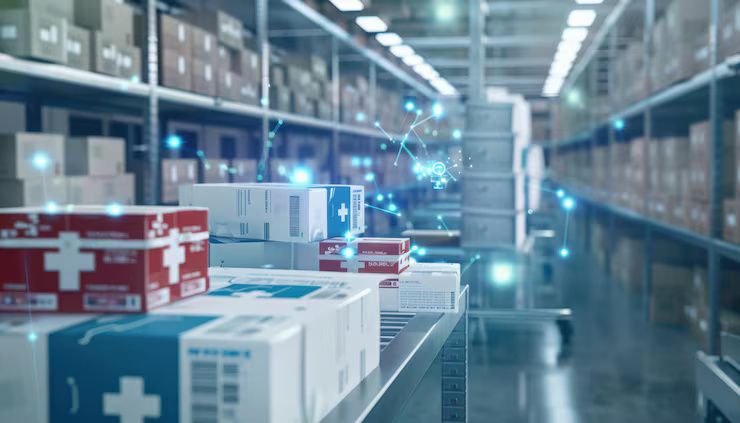
Pharmaceutical logistics is a critical backbone of modern healthcare. The sector impacts multiple stakeholders, including:
-
Patients: Reliable logistics ensures timely access to lifesaving medicines and vaccines.
-
Healthcare Providers: Hospitals and clinics rely on uninterrupted supplies for treatment.
-
Pharmaceutical Companies: Effective logistics reduces product loss, prevents contamination, and ensures regulatory compliance.
-
Governments and Regulators: Strong supply chains are essential for public health security, particularly during global crises.
| Stakeholder | Why It Matters |
|---|---|
| Patients | Access to safe and timely medicines |
| Hospitals/Clinics | Continuous stock for treatments and emergencies |
| Pharma Companies | Minimizes losses, ensures product quality, supports global distribution |
| Regulators & Governments | Maintains safety standards, protects citizens, manages pandemic preparedness |
One of the major problems pharmaceutical logistics solves is the challenge of temperature control. Many drugs and vaccines must remain within a strict “cold chain” of 2°C to 8°C, while some biologics require ultra-low temperatures below -70°C. Failures in logistics can render medicines ineffective or unsafe.
Recent Updates (2023–2024)
The pharmaceutical logistics industry is evolving rapidly, driven by technology and global health needs. Key developments from the past year include:
-
Growth of Cold Chain Logistics (2023): According to market reports, the global pharmaceutical cold chain logistics sector was valued at over $20 billion in 2023, with projections of steady growth due to increased demand for biologics and vaccines.
-
AI and Automation in Warehousing (2023–2024): Artificial intelligence is being applied in demand forecasting, route optimization, and warehouse automation to reduce errors and costs.
-
Green Logistics (2023): Sustainability became a stronger focus, with companies investing in eco-friendly packaging and reducing carbon emissions in supply chains.
-
Resilience After COVID-19 (2023): Lessons from the pandemic highlighted the need for more diversified supply chains to prevent disruptions in critical medicine availability.
-
Drone Deliveries (2024): Pilot projects in Africa and parts of Asia are using drones to deliver vaccines and essential drugs to remote areas.
| Trend (2023–2024) | Key Impact |
|---|---|
| Cold chain growth | Supports safe transport of biologics and vaccines |
| AI and automation | Improves efficiency and reduces logistics costs |
| Sustainability initiatives | Reduces waste and environmental footprint |
| Supply chain resilience | Prepares for crises and reduces dependency on single regions |
| Drone deliveries | Expands healthcare access in rural or hard-to-reach locations |
Laws or Policies
Pharmaceutical logistics is heavily regulated due to the sensitive nature of medical products. Regulations vary by region but share common goals: safety, quality, and transparency.
-
United States: The Food and Drug Administration (FDA) enforces Good Distribution Practices (GDP) and the Drug Supply Chain Security Act (DSCSA) to ensure medicine safety and traceability.
-
European Union: EU GDP guidelines regulate storage, handling, and distribution of medicinal products, requiring strict temperature monitoring and documentation.
-
India: The Central Drugs Standard Control Organization (CDSCO) and Ministry of Health oversee logistics, with growing emphasis on compliance for exports.
-
World Health Organization (WHO): Provides global guidelines on cold chain and vaccine logistics, followed by many low- and middle-income countries.
| Region | Key Regulations/Policies | Purpose |
|---|---|---|
| USA | FDA GDP, DSCSA | Ensures traceability, prevents counterfeit drugs |
| EU | EU GDP Guidelines | Mandates strict storage and distribution standards |
| India | CDSCO Rules | Focuses on compliance and export quality |
| Global (WHO) | Cold Chain Guidelines | Supports vaccine safety in developing countries |
Governments also invest in logistics infrastructure, particularly after 2020, to strengthen preparedness for pandemics and future emergencies.
Tools and Resources
Pharmaceutical logistics relies on specialized tools, platforms, and services for efficiency and compliance.
-
Supply Chain Management Platforms
-
SAP Integrated Business Planning – Provides real-time forecasting and supply chain monitoring.
-
Oracle SCM Cloud – Helps manage logistics planning and compliance.
-
-
Temperature Monitoring Solutions
-
Sensitech and Berlinger – Offer sensors and data loggers to track shipments.
-
IoT Platforms – Provide real-time alerts when storage conditions change.
-
-
Regulatory and Compliance Resources
-
FDA DSCSA Portal – For drug supply chain traceability in the U.S.
-
EU GDP Guidelines Website – For compliance in Europe.
-
WHO Vaccine Logistics Handbook – Guidance for global vaccine programs.
-
-
Innovative Delivery Services
-
Zipline (drone-based delivery service) – Expanding in Africa and Asia for vaccine distribution.
-
UNICEF Supply Division Tools – Support for medicine distribution in developing regions.
-
| Tool Type | Examples | Purpose |
|---|---|---|
| SCM Platforms | SAP, Oracle SCM Cloud | Planning and real-time supply chain tracking |
| Temperature Monitoring | Sensitech, Berlinger, IoT devices | Protect medicine quality during transport |
| Compliance Resources | FDA DSCSA portal, EU GDP guidelines, WHO | Ensures global standard adherence |
| Delivery Innovations | Zipline, UNICEF Supply Chain Tools | Enhances access to remote areas |
FAQs
- What is pharmaceutical logistics?
It is the process of storing, handling, and transporting medicines, vaccines, and medical equipment under safe and controlled conditions to ensure product quality and patient safety.
2. Why is cold chain important in pharmaceutical logistics?
Cold chain logistics ensures that temperature-sensitive products such as vaccines, insulin, and biologics remain effective. Without proper temperature control, medicines may lose their potency or become unsafe.
3. How is technology changing pharmaceutical logistics?
Technologies such as artificial intelligence, Internet of Things (IoT), blockchain, and drones are improving transparency, efficiency, and accessibility in medicine distribution.
4. What are the biggest challenges in pharmaceutical logistics?
Key challenges include maintaining cold chain conditions, preventing counterfeit drugs, managing regulatory compliance, and ensuring timely delivery in remote regions.
5. How do governments regulate pharmaceutical logistics?
Governments enforce regulations such as GDP standards and drug traceability acts to ensure medicines remain safe, authentic, and effective throughout the supply chain.
Conclusion
Pharmaceutical logistics is more than just the transportation of goods—it is a vital link that ensures patients around the world receive safe and effective medicines. With growing demand for biologics, rising global health challenges, and the lessons learned from recent pandemics, the sector is evolving rapidly. Innovations such as AI, drones, and eco-friendly practices are shaping the future, while governments and organizations continue to strengthen regulations for safety and resilience.
In the years ahead, the success of healthcare systems will depend greatly on the efficiency, transparency, and adaptability of pharmaceutical logistics