High voltage electrical systems are essential to modern power generation, transmission, distribution, manufacturing, transportation, and industrial infrastructure.
Because these systems operate under conditions where insulation failure, equipment defects, or unexpected electrical discharge can create serious hazards, systematic testing is an important part of electrical asset management.
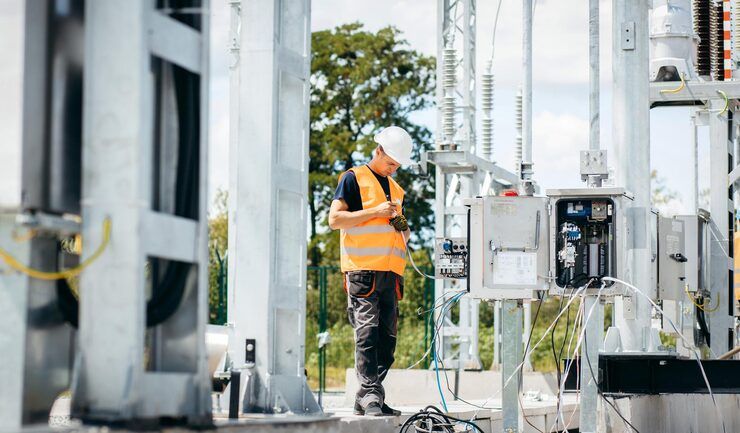
High voltage electrical testing involves evaluating insulation, electrical components, connections, and system performance to identify weaknesses before they develop into failures. Testing can take place during manufacturing, commissioning, maintenance, troubleshooting, and periodic condition assessment.
Understanding the basic principles behind high voltage testing helps engineers, technicians, facility managers, and other professionals recognize why different tests are performed and how specialized testing equipment supports reliable electrical operation.
What Is High Voltage Electrical Testing?
High voltage electrical testing is the controlled examination of electrical equipment and insulation systems using appropriate test methods and specialized instruments.
The primary purpose is to determine whether equipment can withstand its intended electrical environment and whether its insulation remains in suitable condition.
Testing may be applied to equipment such as:
- Power transformers
- Switchgear
- Circuit breakers
- Cables
- Motors and generators
- Bushings
- Insulators
- Electrical panels
- Distribution equipment
Testing requirements vary according to equipment type, system design, operating environment, applicable standards, and the purpose of the assessment.
Unlike ordinary electrical measurements, high voltage testing requires specialized procedures because the test environment itself can introduce significant electrical and stored-energy hazards.
Why High Voltage Testing Is Important
Electrical insulation gradually changes because of heat, moisture, contamination, mechanical stress, electrical stress, aging, and environmental conditions. A system can continue operating while these changes develop, making visual inspection alone insufficient in many situations.
Testing provides additional information about equipment condition.
A properly planned testing program can help identify:
- Insulation deterioration
- Moisture-related problems
- Electrical leakage
- Connection abnormalities
- Dielectric weakness
- Partial discharge activity
- Cable defects
- Equipment degradation
The information can then support maintenance planning, commissioning decisions, and condition-based asset management.
When Is High Voltage Electrical Testing Performed?
Testing can occur at several stages of an electrical asset's lifecycle.
During Manufacturing
Manufacturers may test electrical equipment to verify insulation integrity, design performance, and conformity with applicable requirements before equipment leaves the production environment.
During Commissioning
Newly installed equipment may undergo testing before being placed into normal operation. Commissioning tests help verify that equipment and associated electrical systems are suitable for their intended application.
During Maintenance
Periodic testing can provide information about changes in equipment condition. Comparing current results with previous measurements can help identify developing deterioration.
After Repairs or Modifications
Testing may also be required after significant repairs, component replacement, or system modifications to confirm that the electrical equipment remains suitable for operation.
Common High Voltage Electrical Testing Methods
Different tests provide different types of information. Selecting an appropriate method depends on the equipment and the condition being investigated.
Insulation Resistance Testing
Insulation resistance testing evaluates the resistance of insulating materials against electrical leakage.
Measurements can provide useful information about insulation condition and may help identify problems associated with moisture, contamination, aging, or physical deterioration.
However, insulation resistance is only one indicator of equipment condition and should generally be interpreted alongside other relevant information.
Withstand Testing
Withstand testing evaluates whether electrical insulation can tolerate a specified test condition without unacceptable breakdown.
The fundamental objective is to assess dielectric strength under controlled conditions. Such testing is generally performed using established procedures and appropriate protective controls.
Dielectric Loss or Dissipation Factor Testing
This method evaluates characteristics associated with losses within an insulation system.
Changes in dielectric loss can provide indications of insulation aging, moisture, contamination, or other deterioration mechanisms.
It can be particularly useful when assessing insulation systems in transformers, cables, bushings, and similar equipment.
Partial Discharge Testing
Partial discharge refers to localized electrical discharges that do not completely bridge the insulation between conductors.
Repeated partial discharge activity can indicate developing weaknesses within an insulation system. Specialized instruments can detect and analyze these signals to help identify potential insulation problems.
Partial discharge assessment is especially valuable for condition monitoring because it can reveal defects that may not yet have caused complete insulation failure.
High Voltage Testing Equipment
Specialized equipment is required to perform high voltage electrical testing safely and consistently.
Common categories include:
| Equipment Category | General Purpose |
|---|---|
| High Voltage Test Systems | Generate controlled electrical test conditions |
| Insulation Test Instruments | Assess insulation resistance and related characteristics |
| Partial Discharge Systems | Detect and analyze localized discharge activity |
| High Voltage Probes | Support appropriate electrical measurements |
| Measurement Systems | Record electrical parameters and test results |
| Safety and Grounding Equipment | Support controlled test environments |
The exact equipment configuration depends on the test objective, voltage class, equipment under examination, and applicable testing requirements.
Understanding Test Results
A test result should not normally be considered in isolation.
Electrical professionals may compare measurements with:
- Previous test results
- Manufacturer information
- Applicable technical standards
- Equipment specifications
- Similar assets
- Environmental conditions
- Historical maintenance records
Trend analysis is particularly valuable. A gradual change over multiple testing periods may provide more useful information about equipment condition than a single measurement.
For this reason, maintaining accurate testing records is an important part of electrical asset management.
Factors That Can Affect Testing Results
Electrical measurements can be influenced by several environmental and equipment-related conditions.
Important factors include:
Temperature
Insulation characteristics can change with temperature, meaning measurements may need appropriate interpretation.
Moisture
Humidity and moisture contamination can influence insulation behavior and may affect measurement results.
Surface Contamination
Dust, chemicals, salts, and other contaminants can affect external insulation performance.
Equipment Condition
Age, previous electrical stress, mechanical damage, and maintenance history can influence results.
Test Configuration
The connection arrangement and condition of the equipment being evaluated can affect measurements, making standardized procedures important for meaningful comparisons.
Safety Principles for High Voltage Testing
High voltage testing requires strict safety controls because electrical energy can cause severe injury or equipment damage.
Testing should be performed only by appropriately trained and authorized personnel using procedures suitable for the specific equipment and environment.
Important safety principles include:
- Establishing controlled test boundaries
- Preventing unauthorized access
- Using appropriate grounding practices
- Verifying equipment status before work
- Following established isolation procedures
- Using suitable protective equipment
- Maintaining clear communication among personnel
- Controlling stored electrical energy
- Following applicable electrical safety requirements
Specific testing voltages, connection arrangements, discharge procedures, and equipment settings should be determined by qualified professionals using the applicable technical documentation and safety procedures.
Common Challenges in High Voltage Testing
High voltage testing can become complicated when equipment is old, difficult to access, environmentally exposed, or part of a complex electrical network.
Noise and electromagnetic interference can also affect sensitive measurements, particularly during partial discharge testing.
Another challenge is interpreting results correctly. A measurement that appears unusual does not automatically indicate equipment failure. Professionals typically consider equipment history, operating conditions, test method, environmental factors, and other diagnostic information before determining the significance of a result.
Testing as Part of Condition-Based Maintenance
Modern electrical asset management increasingly focuses on condition rather than relying only on fixed maintenance schedules.
High voltage testing can contribute to this approach by providing information about changes in insulation and equipment condition over time.
A condition-based strategy may combine electrical test results with:
- Thermal monitoring
- Visual inspection
- Oil analysis for applicable equipment
- Vibration information
- Operating history
- Maintenance records
- Manufacturer guidance
Combining multiple information sources provides a broader understanding of equipment health.
How Technology Is Changing High Voltage Testing
Digital measurement systems have significantly changed how electrical test data is collected, analyzed, and stored.
Modern testing environments increasingly incorporate automated data recording, digital diagnostics, improved signal processing, remote monitoring, and software-assisted trend analysis.
These developments can make large quantities of test information easier to organize and compare. In some applications, data analytics can also help identify patterns that may require closer technical investigation.
The broader direction is toward more connected electrical asset management, where testing data becomes part of a continuous equipment condition record rather than an isolated maintenance document.
Frequently Asked Questions
What is the main purpose of high voltage electrical testing?
The main purpose is to evaluate insulation and electrical equipment condition, identify potential weaknesses, and verify suitability for intended operation under controlled testing conditions.
Which equipment commonly requires high voltage testing?
Transformers, cables, switchgear, circuit breakers, motors, generators, bushings, and various insulation systems may require high voltage testing depending on their design and application.
What does insulation resistance testing show?
It provides information about resistance to electrical leakage through or across an insulation system. Results can help identify possible moisture, contamination, or insulation deterioration.
Why is partial discharge testing important?
Partial discharge testing can detect localized electrical activity within insulation systems and may help identify developing defects before they result in more significant insulation failure.
Can high voltage testing be performed by anyone?
No. High voltage testing requires appropriate technical training, authorization, equipment, controlled procedures, and safety practices. Testing should be conducted by qualified personnel familiar with the specific electrical system and applicable requirements.
Conclusion
High voltage electrical testing is an important part of maintaining reliable electrical infrastructure. By evaluating insulation, detecting developing abnormalities, and tracking changes in equipment condition, testing provides valuable information for commissioning, maintenance, and long-term asset management.
Different methods, including insulation resistance, withstand, dielectric loss, and partial discharge testing, provide different perspectives on electrical condition. Specialized equipment and careful interpretation are essential because results depend on the equipment, environment, testing method, and historical context.
As electrical systems become more complex and increasingly monitored through digital technologies, high voltage testing is also becoming more data-driven. When combined with appropriate inspection, maintenance records, and professional assessment, testing can provide a clearer understanding of electrical equipment condition and support safer, more reliable power system operation.