Humidity sensors are devices used to measure the amount of moisture present in the air. They play an important role in monitoring environmental conditions across homes, industries, and scientific settings. These sensors are part of broader systems related to Environmental Monitoring and automation technologies.
The concept of measuring humidity dates back to early scientific instruments such as hygrometers. Over time, these instruments evolved into modern electronic humidity sensors that can provide accurate and continuous readings. Today, humidity sensors are commonly integrated into digital systems, making them useful in automated environments.
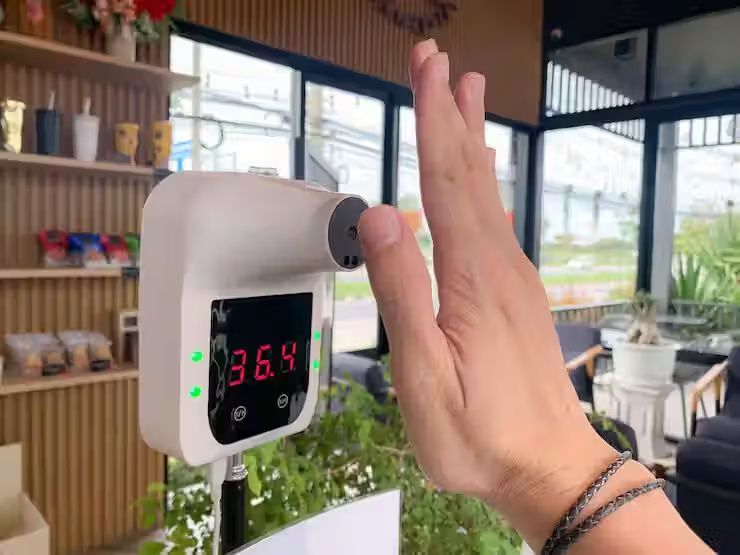
Humidity sensors explained in simple terms involve detecting changes in air moisture and converting those changes into electrical signals. These signals are then interpreted by systems or devices to display humidity levels or trigger actions. Understanding their types, working principles, and industrial applications helps explain why they are widely used across different sectors.
Importance
Humidity sensors play a key role in maintaining safe and stable environments. They are used in homes, workplaces, and industrial settings to ensure that humidity levels remain within acceptable ranges.
High or low humidity can create several challenges. Excess moisture can lead to mold growth, corrosion, and damage to materials. On the other hand, very dry air can affect human comfort, cause static electricity, and impact sensitive equipment.
Some common areas where humidity sensors are important include:
- Indoor air quality management, where balanced humidity supports comfort and health
- Food storage and processing, where moisture control helps maintain quality
- Pharmaceutical environments, where precise humidity levels are necessary for stability
- Electronics manufacturing, where moisture can damage components
- Agriculture, where humidity influences crop growth and storage
By providing real-time data, humidity sensors help systems respond quickly to environmental changes. This makes them valuable in both manual monitoring and automated control systems.
Recent Updates
Recent developments in humidity sensors focus on improved accuracy, miniaturization, and integration with digital technologies. These updates reflect the growing demand for smart monitoring systems.
Smart sensor integration
Modern humidity sensors are increasingly connected to Internet of Things (IoT) systems. This allows real-time monitoring through mobile devices or centralized dashboards. Data can be stored and analyzed to identify patterns and improve environmental control.
Enhanced accuracy and stability
Advancements in materials and design have improved sensor reliability. New sensor coatings and calibration techniques help maintain accuracy over longer periods, even in challenging environments.
Compact and low-power designs
Smaller and energy-efficient humidity sensors are now used in portable devices, wearable technology, and compact industrial equipment. These designs support continuous monitoring without high energy consumption.
Multi-parameter sensing
Many modern devices combine humidity sensors with temperature and pressure sensors. This provides a more complete understanding of environmental conditions and supports better decision-making.
Laws or Policies
Humidity sensors, especially in industrial and regulated environments, are influenced by standards and guidelines that ensure safety and accuracy.
Industrial standards
In India, organizations such as the Bureau of Indian Standards (BIS) provide guidelines for measurement devices and environmental monitoring. These standards help ensure that humidity sensors meet quality and performance requirements.
Environmental regulations
Industries such as pharmaceuticals, food processing, and healthcare must follow strict environmental control guidelines. Humidity levels are often part of compliance requirements to maintain product safety and quality.
Calibration and maintenance
Regulations may require periodic calibration of humidity sensors to ensure accurate readings. Proper documentation and maintenance records are often necessary in regulated industries.
Workplace safety guidelines
Humidity monitoring can also be linked to occupational safety standards. Maintaining appropriate humidity levels helps create safer working conditions, particularly in enclosed or climate-controlled spaces.
Tools and Resources
Various tools and resources are available to support the use and understanding of humidity sensors.
Digital monitoring platforms
Software platforms and mobile applications allow users to track humidity levels in real time. These tools often include alerts, data logging, and visualization features.
Calibration equipment
Calibration devices help verify the accuracy of humidity sensors. These tools are commonly used in laboratories and industrial environments to maintain reliable measurements.
Data logging systems
Data loggers record humidity levels over time, making it easier to analyze trends and identify fluctuations. This is useful in research, storage facilities, and manufacturing processes.
Educational resources
Technical guides, online courses, and documentation from scientific organizations provide detailed explanations of humidity sensors, their working principles, and applications.
Comparison table of humidity sensor types
| Sensor Type | Working Principle | Common Use Case | Sensitivity Level |
|---|---|---|---|
| Capacitive | تغير capacitance due to moisture | HVAC systems, weather stations | High |
| Resistive | Change in electrical resistance | Industrial monitoring | Moderate |
| Thermal | Measures heat conductivity differences | Scientific applications | Moderate |
| Optical | Uses light absorption by moisture | Specialized research | High |
This table provides a simplified overview of different humidity sensor types and their typical applications.
FAQs
What are humidity sensors and how do they work?
Humidity sensors are devices that detect the amount of moisture in the air. They work by measuring changes in electrical properties such as capacitance or resistance and converting those changes into readable signals.
What are the main types of humidity sensors?
The main types include capacitive, resistive, thermal, and optical sensors. Each type uses a different working principle and is suited for specific environments and applications.
Where are humidity sensors used in industrial applications?
Humidity sensors are widely used in industries such as food processing, pharmaceuticals, electronics manufacturing, and agriculture. They help maintain controlled environments and ensure product quality.
How accurate are modern humidity sensors?
Modern humidity sensors are designed to provide reliable measurements with improved stability. Accuracy depends on factors such as sensor type, calibration, and environmental conditions.
Why is humidity monitoring important in everyday life?
Humidity monitoring helps maintain indoor comfort, prevents damage to materials, and supports health by reducing the risk of mold and dryness-related issues.
Conclusion
Humidity sensors are essential tools for measuring and controlling moisture levels in various environments. They work by converting physical changes in humidity into electrical signals that can be monitored and analyzed. Different types of sensors are used depending on the application and required sensitivity. Advances in technology have improved their accuracy and integration with digital systems. Overall, humidity sensors play a vital role in both everyday settings and industrial applications.