Industrial water treatment is the process of purifying, filtering, and conditioning water to make it suitable for industrial operations such as manufacturing, cooling, processing, and cleaning. These systems were developed to remove impurities, control water quality, and protect equipment from scaling, corrosion, and contamination that can disrupt industrial performance.
As industries expanded and environmental standards became stricter, water treatment systems became essential for ensuring efficient operations, regulatory compliance, and sustainable resource management.
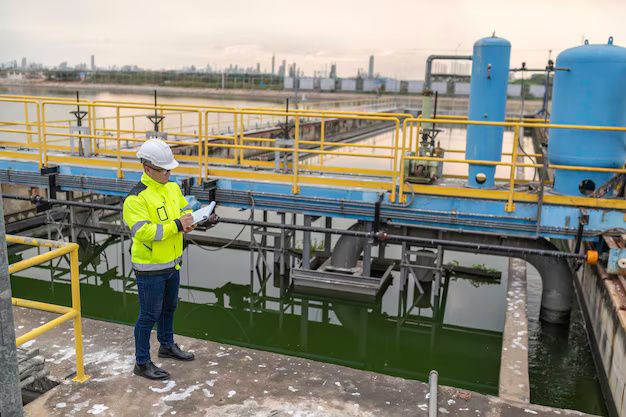
Importance: Why Industrial Water Treatment Matters in Industry
Industrial water treatment plays a major role in maintaining operational efficiency and environmental responsibility.
1. Equipment Protection
Prevents scaling and corrosion that can damage industrial machinery.
2. Process Efficiency Improvement
Ensures consistent water quality for stable production processes.
3. Environmental Compliance
Helps industries meet wastewater discharge and environmental standards.
4. Resource Optimization
Supports water reuse and recycling within industrial facilities.
5. Operational Reliability
Reduces downtime caused by water-related equipment failures.
Main Industrial Water Treatment Processes
1. Filtration Process
Removes suspended solids, dirt, and particles to improve water clarity and system performance.
2. Sedimentation Process
Separates heavy particles by allowing them to settle at the bottom of treatment tanks.
3. Chemical Treatment
Uses chemicals to neutralize contaminants, control pH levels, and prevent scaling or corrosion.
4. Reverse Osmosis (RO)
Uses semi-permeable membranes to remove dissolved salts and impurities from water.
5. Ion Exchange Process
Removes unwanted ions and minerals to soften water and improve quality.
6. Disinfection Process
Eliminates bacteria and microorganisms using UV treatment or chemical methods.
7. Wastewater Treatment
Treats industrial discharge water to make it safe for reuse or environmental release.
Types of Industrial Water Treatment Systems
1. Boiler Water Treatment System
Prepares water for boilers to prevent scale buildup and improve heat transfer efficiency.
2. Cooling Water Treatment System
Maintains water quality in cooling towers and heat exchange systems.
3. Process Water Treatment System
Provides purified water required for manufacturing and production processes.
4. Wastewater Treatment Plant
Treats industrial wastewater before discharge or recycling.
5. RO Water Treatment System
Produces high-purity water by removing dissolved solids and contaminants.
Working Principle of Industrial Water Treatment Systems
1. Raw Water Intake
Water enters the treatment system from natural or municipal sources.
2. Pre-Treatment Stage
Large particles and impurities are removed through filtration.
3. Chemical or Physical Treatment
Processes remove dissolved contaminants and adjust water chemistry.
4. Purification Stage
Advanced treatment methods improve water quality standards.
5. Storage and Distribution
Treated water is stored and supplied to industrial processes.
6. Wastewater Processing
Used water is treated before disposal or reuse.
Core Components of Industrial Water Treatment Systems
1. Filtration Units
Remove suspended solids and impurities from incoming water.
2. Chemical Dosing Systems
Inject chemicals to control pH and prevent scaling.
3. Membrane Systems
Provide advanced purification through reverse osmosis or filtration technology.
4. Pumps and Valves
Control water movement and system pressure.
5. Storage Tanks
Hold treated water for consistent supply.
6. Monitoring and Control Panels
Track system performance and water quality levels.
Water Treatment Systems and Industrial Applications
| System Type | Primary Function | Common Application |
|---|---|---|
| Boiler Treatment | Prevent scale formation | Power plants |
| Cooling Water System | Temperature control | Manufacturing industries |
| RO System | High-purity water | Pharmaceutical & electronics |
| Wastewater Treatment | Water recycling | Chemical & textile industries |
| Process Water System | Production support | Food & beverage sector |
Industrial Applications of Water Treatment
1. Power Generation Plants
Ensures clean water for boilers and cooling systems to maintain energy efficiency.
2. Manufacturing Industries
Provides consistent water quality for production processes.
3. Chemical Processing Plants
Controls water chemistry for safe and stable reactions.
4. Food and Beverage Industry
Maintains hygiene standards and safe processing conditions.
5. Pharmaceutical Industry
Supplies purified water required for sensitive manufacturing processes.
6. Metal and Steel Industry
Supports cooling and cleaning operations.
7. Textile Industry
Treats dyeing and processing wastewater efficiently.
Benefits of Industrial Water Treatment
1. Improved Equipment Lifespan
Prevents corrosion and scaling in industrial systems.
2. Enhanced Production Quality
Ensures stable water conditions for manufacturing.
3. Regulatory Compliance Support
Helps industries meet environmental and safety standards.
4. Water Conservation
Enables reuse and recycling of water resources.
5. Reduced Operational Risk
Minimizes system failures caused by poor water quality.
Challenges & Considerations
1. System Maintenance Requirements
Regular servicing is needed for consistent performance.
2. Chemical Handling Safety
Proper management is essential for safe operation.
3. Initial Installation Complexity
Large systems require careful planning and design.
4. Energy Consumption
Advanced purification systems may require significant power.
5. Waste Disposal Management
Treatment by-products must be handled responsibly.
How to Choose the Right Water Treatment System
1. Analyze Water Quality
Test water source for impurities and contaminants.
2. Determine Industrial Application
Select systems based on process requirements.
3. Evaluate Treatment Capacity
Match system size with operational demand.
4. Check Regulatory Requirements
Ensure compliance with environmental standards.
5. Consider Automation Features
Choose systems with monitoring and control capabilities.
Maintenance & Best Practices
1. Regular Filter Replacement
Maintains filtration efficiency and water quality.
2. Chemical Level Monitoring
Ensures balanced treatment processes.
3. System Performance Checks
Identifies issues before failures occur.
4. Cleaning of Membranes and Tanks
Prevents buildup and contamination.
5. Scheduled Preventive Maintenance
Supports long-term system reliability.
Frequently Asked Questions
What is industrial water treatment used for?
It purifies water for industrial operations and safe wastewater management.
Why is treated water important in manufacturing?
It prevents equipment damage and ensures consistent production quality.
What is reverse osmosis used for?
It removes dissolved solids and produces high-purity water.
Can industrial water be reused?
Yes, many systems recycle treated water for efficiency.
How long do water treatment systems last?
Typically 15–25 years with proper maintenance.
Conclusion
Industrial water treatment is a critical process that supports efficient manufacturing, equipment protection, and environmental sustainability. By using advanced treatment processes and properly designed systems, industries can maintain high water quality, improve productivity, and comply with environmental standards.
Understanding processes, system types, working principles, and applications helps businesses implement reliable water treatment solutions that enhance operational performance and long-term sustainability.