Hydrostatic testing is a critical process used to verify the strength, integrity, and leak-tightness of pressure vessels, pipelines, tanks, and other fluid-carrying components. This method involves filling a system with water or another incompressible fluid and then pressurizing it to a level higher than its normal operating pressure. The goal is to detect potential leaks, material weaknesses, or structural flaws before the equipment is placed into service.
The practice has been a key part of safety and maintenance protocols across industries such as oil and gas, chemical processing, power generation, and water treatment. Hydrostatic testing serves as both a preventive and compliance measure, ensuring that equipment can safely withstand internal pressures under real-world conditions.
The test typically involves three stages — preparation, pressurization, and inspection — and may also include the use of pressure gauges, digital sensors, and data loggers for accurate monitoring.
Why Hydrostatic Testing Matters Today
Hydrostatic testing is essential for ensuring operational safety and regulatory compliance in systems where fluid pressure is a risk factor. It prevents catastrophic failures that could lead to environmental contamination, production downtime, or personal injury.
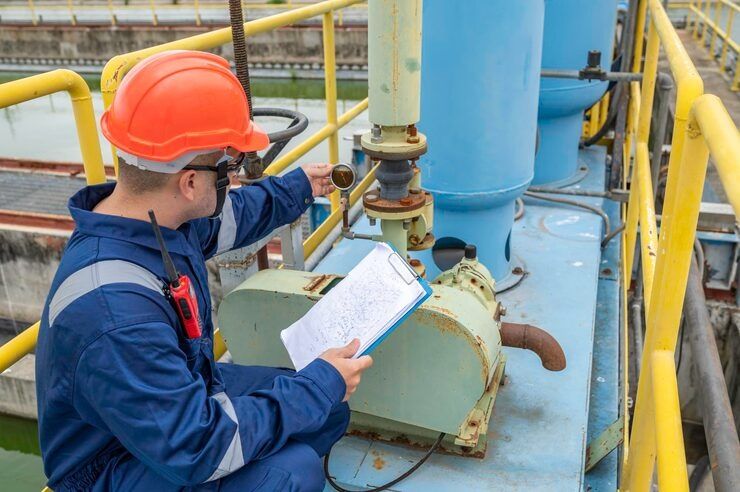
Key benefits and importance:
-
Safety Assurance: Ensures the equipment can operate without risk of rupture or leakage.
-
Regulatory Compliance: Many standards and government regulations require hydrostatic tests for certification.
-
Maintenance and Reliability: Identifies weak points or corrosion early, extending the life of pipelines and pressure systems.
-
Environmental Protection: Prevents leaks of hazardous fluids into soil or water systems.
-
Operational Efficiency: Confirms system readiness before commissioning or after repairs.
Hydrostatic testing affects various sectors including oil refineries, construction, marine engineering, energy plants, and aerospace manufacturing. For example, high-pressure pipelines transporting gas or chemicals undergo routine hydrostatic tests to ensure long-term safety and efficiency.
| Industry | Application of Hydrostatic Testing | Typical Equipment |
|---|---|---|
| Oil & Gas | Pipeline and valve verification | Pipelines, pressure vessels |
| Power Generation | Boiler and heat exchanger testing | Steam systems, tanks |
| Water Utilities | Leak testing in water mains | Pipes, joints, reservoirs |
| Aerospace | Verification of hydraulic components | Cylinders, fuel systems |
| Manufacturing | Pressure vessel certification | Cylinders, reactors |
Recent Updates and Industry Trends
The field of hydrostatic testing has evolved significantly, driven by digital technology, environmental considerations, and stricter safety regulations. Between 2024 and 2025, several advancements have reshaped testing methodologies and tools.
| Trend/Update | Description | Timeline |
|---|---|---|
| Digital Pressure Monitoring Systems | Integration of IoT-enabled sensors for real-time data tracking. | 2024–2025 |
| Eco-Friendly Testing Fluids | Use of biodegradable and non-toxic fluids instead of oils or chemicals. | 2025 |
| Automated Data Logging | Cloud-based storage and analytics for pressure test records. | 2024 |
| Enhanced Standards (ASME & ISO) | Updates in testing codes for high-pressure applications. | 2024 |
| Remote Testing Systems | Remote-controlled pressure units for hazardous environments. | 2025 |
In 2024, the ASME Boiler and Pressure Vessel Code Section VIII was updated to include new guidelines for electronic test documentation, improving traceability and compliance verification. Similarly, the European Committee for Standardization (CEN) emphasized digital integration to make hydrostatic testing more sustainable and consistent globally.
Another major trend is the integration of AI and predictive analytics to detect pressure anomalies faster. This helps maintenance engineers forecast component failure before it occurs, optimizing inspection schedules.
Regulations, Standards, and Policies
Hydrostatic testing is regulated under international and national standards to ensure that the process meets strict safety and quality benchmarks. These regulations define testing pressures, procedures, documentation requirements, and acceptance criteria.
Key Global Standards:
-
ASME Section VIII, Division 1 & 2: Governs testing for pressure vessels in industrial applications.
-
API 570 (American Petroleum Institute): Specifies pipeline inspection and testing requirements in the petroleum sector.
-
ISO 13623: International standard for pipeline integrity management and pressure testing.
-
EN 13445: European code for unfired pressure vessels.
-
DOT CFR 49: U.S. Department of Transportation rules for cylinder and tank testing.
-
BIS IS 2825 (India): Provides guidelines for hydrostatic tests on boilers and pressure vessels.
Government Regulations and Programs:
-
EPA (Environmental Protection Agency): Regulates disposal of test water used in hydrostatic testing.
-
OSHA (Occupational Safety and Health Administration): Mandates safety measures during testing procedures.
-
Ministry of Petroleum and Natural Gas (India): Requires hydrostatic tests for pipeline commissioning.
-
European Pressure Equipment Directive (PED): Enforces periodic testing of pressurized systems across EU member states.
Compliance with these frameworks ensures that hydrostatic testing not only verifies system integrity but also aligns with global environmental and safety objectives.
Tools, Calculators, and Helpful Resources
Professionals performing hydrostatic testing rely on a combination of digital tools, software, and reference materials to ensure accurate and efficient results.
Testing Equipment and Tools:
-
Hydrostatic Test Pumps: For generating and maintaining the required pressure.
-
Pressure Gauges and Sensors: Digital and analog devices for monitoring pressure levels.
-
Data Loggers: Capture time-pressure curves for recordkeeping and analysis.
-
Leak Detection Equipment: Ultrasonic and dye-penetrant tools to locate micro-leaks.
-
Calibrated Relief Valves: Maintain test safety and prevent over-pressurization.
Online Calculators and Applications:
-
Engineering Toolbox Pressure Calculator: For determining test pressure from design pressure values.
-
Parker Hannifin Fluid Power Calculator: Assists with fluid compatibility and pressure calculations.
-
Test Pressure Estimator (HydroTest Software): Simulates and records hydrostatic test cycles.
-
Pipe Flow Expert: Models pipeline systems and simulates hydrostatic pressure tests.
Educational and Reference Websites:
-
ASME Digital Library – For standards, test codes, and design references.
-
API Technical Resources – For updates on petroleum sector testing requirements.
-
Engineering360 by GlobalSpec – Technical resources on testing equipment.
-
NACE International – Corrosion and integrity management resources.
Example Table – Comparison Between Hydrostatic and Pneumatic Testing
| Parameter | Hydrostatic Testing | Pneumatic Testing |
|---|---|---|
| Test Medium | Water or incompressible fluid | Air or inert gas |
| Safety | Safer, low stored energy | Higher risk due to compressibility |
| Leak Detection | Visual and pressure drop observation | Bubble formation or acoustic detection |
| Common Use | Pipelines, tanks, boilers | Small fittings, low-pressure components |
| Documentation | Pressure charts, calibration logs | Pressure gauge readings |
Hydrostatic testing remains the preferred method in most cases because it minimizes the risk associated with high-pressure testing while providing accurate, verifiable results.
Frequently Asked Questions
What is hydrostatic testing used for?
Hydrostatic testing is used to verify the integrity and strength of pressure vessels, pipelines, and tanks by filling them with fluid and pressurizing to test levels above their normal operating pressure.
What fluids are typically used in hydrostatic testing?
Water is the most common fluid due to its incompressibility, but sometimes glycol-water mixtures or oil-based fluids are used when freezing or corrosion risks are present.
How often should hydrostatic testing be performed?
Testing frequency depends on regulatory requirements and equipment use, but pipelines and pressure vessels typically undergo testing every 3 to 5 years or after major repairs.
Is hydrostatic testing environmentally safe?
Yes, if conducted properly. The fluid used is often recycled or treated before disposal, and many industries now use eco-friendly test fluids to reduce environmental impact.
What are the main advantages of hydrostatic testing over other methods?
It provides a direct and safe way to verify integrity, detect leaks, and confirm design strength without risking explosive failure or structural damage.
Conclusion
Hydrostatic testing is one of the most reliable and time-tested methods for ensuring the structural integrity of pressurized systems. Its importance extends beyond compliance—it safeguards human lives, protects the environment, and maintains industrial reliability.
The process continues to evolve with the integration of digital monitoring systems, advanced analytics, and eco-conscious testing practices. These innovations enhance data accuracy, reduce manual intervention, and align the testing process with modern sustainability standards.
As industries move toward smart maintenance and predictive engineering, hydrostatic testing will remain a cornerstone of safety verification in the design, construction, and operation of pressure equipment. Understanding its procedures, standards, and technological trends helps professionals maintain high levels of reliability, efficiency, and safety in every application.