
Efficient material movement is one of the foundations of modern manufacturing. Whether transporting raw materials, finished products, or packaged goods, industries depend on conveyor systems to maintain a smooth production flow. These systems reduce manual handling, improve productivity, and help manufacturers manage large production volumes with greater accuracy.
Alongside conveyor systems, conveyor rollers play an equally important role. Rollers support conveyor belts or directly carry products along conveyor tracks, reducing friction and ensuring smooth, continuous movement. Together, industrial conveyor systems and rollers form the backbone of modern material handling across factories, warehouses, logistics centers, airports, and processing facilities.
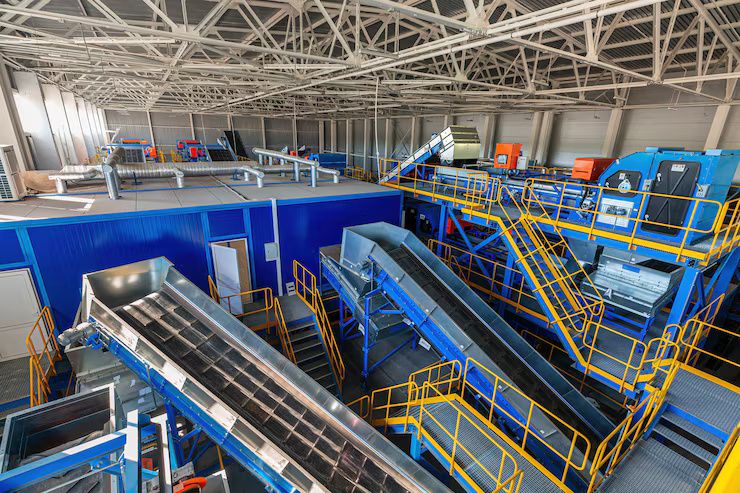
As manufacturing continues to embrace automation and Industry 4.0 technologies, conveyor systems have become smarter, more energy-efficient, and easier to monitor. This guide explains how industrial conveyors work, the different types available, the importance of conveyor rollers, and their growing applications across various industries.
What Are Industrial Conveyors?
Industrial conveyors are mechanical systems designed to transport materials, components, and finished products from one point to another within a production or storage facility. Instead of moving materials manually, conveyors provide a continuous transportation system that supports faster and more organized operations.
Depending on the application, conveyor systems can handle lightweight packages, heavy industrial equipment, bulk materials, and delicate products requiring careful handling.
A typical conveyor system includes several major components:
- Conveyor frame
- Drive motor
- Conveyor belt or rollers
- Control system
- Support structure
Each component contributes to maintaining smooth, safe, and reliable material movement throughout the production process.
Understanding Conveyor Rollers
Conveyor rollers are among the most important components of any conveyor system. They support the conveyor belt or directly transport products while minimizing friction and ensuring consistent movement.
Without properly functioning rollers, conveyor systems cannot maintain efficient material flow or stable product handling.
Modern conveyor rollers are manufactured using durable materials and precision bearings to improve reliability, reduce maintenance requirements, and extend operational life.
Why Industrial Conveyor Systems Are Important
Material handling represents a significant portion of industrial operations. Conveyor systems simplify this process by automating the movement of products between manufacturing stages, storage areas, and shipping departments.
Instead of relying on repeated manual transportation, manufacturers can maintain continuous production while improving workplace organization and operational efficiency.
Some important advantages include:
- Continuous material movement
- Improved production efficiency
- Better workplace safety
- Reduced manual handling
These advantages have made conveyor systems essential across numerous industries.
Types of Industrial Conveyor Systems
Different industries require different conveyor technologies depending on product characteristics, production volume, and facility layout.
Belt Conveyors
Belt conveyors use a continuous belt stretched across rollers or pulleys to transport materials.
Their simple design and versatility make them one of the most widely used conveyor systems in manufacturing, packaging, warehousing, and distribution facilities.
They are suitable for transporting both lightweight and heavy products over short or long distances.
Roller Conveyors
Roller conveyors consist of multiple rollers mounted within a supporting frame.
Products move either through gravity, manual movement, or powered roller systems depending on operational requirements.
These conveyors are widely used in warehouses, distribution centers, and packaging operations.
Chain Conveyors
Chain conveyors use durable chains to transport heavy products along a fixed path.
They are commonly found in automotive manufacturing, metal fabrication, and heavy engineering industries where pallets, machinery components, and large containers require reliable transportation.
Screw Conveyors
Screw conveyors use a rotating helical screw inside a tube or trough to transport bulk materials.
These systems are commonly used for handling powders, grains, chemicals, and other loose materials.
Industries such as agriculture, food processing, and chemical manufacturing frequently rely on screw conveyors because they efficiently move bulk materials through enclosed systems.
Overhead Conveyors
Overhead conveyors transport materials above the production floor using suspended carriers.
This design helps maximize available floor space while supporting continuous production.
They are widely used in paint shops, assembly lines, garment manufacturing, and automotive production facilities.
Types of Conveyor Rollers
Different conveyor applications require specialized roller designs to support varying loads and operating conditions.
The most commonly used conveyor rollers include:
- Gravity rollers for manual or gravity-assisted movement
- Powered rollers driven by electric motors
- Idler rollers that support conveyor belts and maintain alignment
- Tapered rollers for curved conveyor sections
- Heavy-duty rollers designed for high-load industrial applications
Selecting the appropriate roller type improves conveyor performance while supporting long-term operational reliability.
How Industrial Conveyor Systems Work
Although conveyor designs vary, most systems operate using a similar material handling process.
Material Loading
Production begins by placing materials onto the conveyor system.
Loading may be performed manually or through automated feeding equipment depending on the production environment.
Material Transportation
Drive motors, rollers, or chains move products continuously between different production stages.
Digital control systems regulate conveyor speed while maintaining consistent product spacing.
Product Transfer
Large manufacturing facilities often connect multiple conveyor systems together.
Transfer mechanisms move products smoothly from one conveyor to another without interrupting production.
Product Unloading
Finished products are removed at designated locations for assembly, packaging, inspection, storage, or shipping.
This continuous workflow improves production efficiency while reducing unnecessary handling.
Comparison of Common Conveyor Types
The table below summarizes the characteristics of commonly used conveyor systems.
| Conveyor Type | Movement Method | Typical Applications | Load Capacity |
|---|---|---|---|
| Belt Conveyor | Motor-driven belt | General material handling | Medium to High |
| Roller Conveyor | Gravity or powered rollers | Warehousing and packaging | Light to Medium |
| Chain Conveyor | Chain-driven system | Heavy industrial materials | High |
| Screw Conveyor | Rotating screw | Bulk powders and grains | Medium |
| Overhead Conveyor | Suspended carriers | Assembly lines and painting | Medium |
Automation Technologies Behind Conveyor Systems
Modern conveyor systems combine mechanical engineering with advanced automation technologies.
Programmable Control Systems
Programmable Logic Controllers (PLCs) manage conveyor speed, direction, sequencing, and synchronization with other production equipment.
These systems improve operational accuracy while reducing production delays.
Smart Sensors
Sensors continuously monitor material movement throughout the production process.
They detect product position, spacing, speed, and potential obstructions, helping prevent overloads and production interruptions.
Variable Speed Drives
Variable speed drives automatically adjust conveyor speed according to production requirements.
This improves flexibility while reducing unnecessary energy consumption.
Intelligent Conveyor Rollers
Modern conveyor rollers use advanced bearing technologies and durable materials to reduce friction, improve efficiency, and minimize maintenance requirements.
These improvements contribute to longer equipment life and more reliable operation.
Industrial Applications
Industrial conveyor systems support manufacturing and logistics across numerous industries.
Manufacturing
Production facilities use conveyors to move raw materials, components, and finished products efficiently through assembly lines and manufacturing processes.
Warehousing and Logistics
Distribution centers depend on conveyor systems for sorting, packaging, inventory movement, and shipping operations.
These systems help manage large product volumes while improving order fulfillment.
Food Processing
Food manufacturers use specially designed conveyors that support hygienic product movement while complying with food safety requirements.
Mining
Mining companies rely on heavy-duty conveyor systems to transport coal, ores, minerals, and aggregates over long distances.
This improves operational efficiency while reducing dependence on conventional transportation methods.
Airports
Airport baggage handling systems depend heavily on conveyor technology to transport luggage efficiently between check-in counters, sorting areas, and aircraft loading zones.
Recent Developments (2024–2026)
Recent advancements have significantly improved conveyor technology.
Manufacturers are increasingly adopting smart sensors and real-time data analytics that continuously monitor equipment performance and detect potential issues before they interrupt production.
Energy-efficient motors and variable speed drives have also become more common, helping reduce electricity consumption while maintaining consistent performance.
Modular conveyor systems are gaining popularity because they allow manufacturers to expand or reconfigure production lines more easily as operational requirements change.
Growing interest in environmentally responsible manufacturing has also encouraged the development of conveyor systems that use recyclable materials, energy-efficient components, and sustainable engineering practices.
Safety Standards and Industry Guidelines
Industrial conveyor systems operate under workplace safety standards designed to protect personnel and maintain reliable operation.
Important safety practices include:
- Proper guarding of moving components
- Emergency stop mechanisms
- Scheduled maintenance inspections
- Safe operating procedures
Industries such as food processing and pharmaceutical manufacturing also require conveyor materials that meet strict hygiene and product safety standards.
In India, equipment manufacturers and industrial facilities commonly follow relevant guidelines established by the Bureau of Indian Standards (BIS), along with workplace safety regulations applicable to industrial machinery.
Tools and Resources
Several technologies support efficient conveyor operation and maintenance.
Common resources include:
- Conveyor monitoring software
- Predictive maintenance systems
- Conveyor layout design software
- Operator training programs
- Industry standards documentation
These tools help manufacturers improve equipment performance, reduce downtime, and maintain reliable material handling operations.
Frequently Asked Questions
What are industrial conveyor systems used for?
Industrial conveyor systems transport materials efficiently within factories, warehouses, airports, distribution centers, and processing facilities, supporting automated material handling and continuous production.
What types of conveyor rollers are commonly used?
Common roller types include gravity rollers, powered rollers, idler rollers, tapered rollers, and heavy-duty rollers. Each type is designed for specific operating conditions and material handling requirements.
How do automated conveyor systems improve productivity?
Automation technologies such as PLC controls, sensors, robotics, and variable speed drives improve material flow, reduce delays, minimize manual handling, and maintain consistent production efficiency.
Which industries use conveyor systems?
Conveyor systems are widely used in manufacturing, logistics, food processing, mining, automotive production, pharmaceutical manufacturing, airports, and distribution centers.
What factors influence conveyor performance?
Performance depends on conveyor design, load capacity, roller quality, drive systems, maintenance practices, operating speed, and proper system configuration.
Future Trends in Industrial Conveyors
Industrial conveyor technology continues to evolve through automation, artificial intelligence, and smart manufacturing innovations.
Manufacturers are investing in intelligent conveyor systems capable of predictive maintenance, automated diagnostics, digital twin integration, and real-time performance optimization. Connected IIoT platforms also allow production managers to monitor equipment remotely while improving operational decision-making.
As Industry 4.0 continues to expand, conveyor systems will become even more intelligent, energy-efficient, and adaptable to changing production environments.
Conclusion
Industrial conveyor systems and conveyor rollers remain essential components of modern material handling. They support the efficient movement of raw materials, components, and finished products across manufacturing facilities, warehouses, airports, mining operations, and distribution centers.
Through advancements in automation, smart sensors, energy-efficient technologies, and digital monitoring, today's conveyor systems provide greater productivity, operational reliability, and flexibility than ever before. As industries continue adopting smart manufacturing practices, industrial conveyors will remain a vital part of efficient, safe, and sustainable production operations worldwide.