
Plate making machines are industrial systems used to manufacture flat products from materials such as metal, plastic, paper, and other formable substances. Depending on the industry, the term may refer to metal plate processing equipment, disposable food plate manufacturing machines, printing plate preparation systems, or machinery used to produce plates from molded materials. Each category uses different technologies, production methods, and quality requirements.
In metalworking, plate making often involves cutting, rolling, pressing, forming, or machining sheet and plate materials into specific shapes. In packaging and food-related manufacturing, plate production may involve forming paper, molded fiber, plastic, or other suitable materials into shallow containers used for serving, handling, or packaging products.
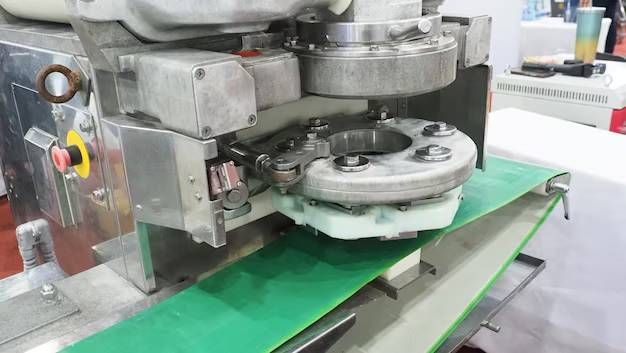
The equipment required depends on the material, product dimensions, production volume, and intended application. Understanding these differences is important because a machine designed to form metal plates cannot perform the same production process as a paper plate forming machine.
Main categories of plate making machinery
Plate making equipment can be grouped into several broad categories.
Metal plate processing machines: Cut, bend, roll, flatten, or shape metal plates for industrial components and structures.
Paper plate making machines: Convert paper blanks or coated paper stock into disposable plates through forming, pressing, and edge shaping.
Molded fiber plate machines: Form pulp-based materials into plates using molds, pressure, and controlled drying.
Plastic plate forming machines: Use suitable plastic materials and processes such as thermoforming, molding, or pressing to create plate-shaped products.
Printing plate making systems: Prepare printing plates through digital imaging, exposure, engraving, or other processes, depending on the printing technology.
These categories serve different manufacturing needs. Before evaluating equipment, manufacturers generally identify the product material, required shape, production method, and applicable safety or quality standards.
How Plate Making Machines Work
The working principle of a plate making machine depends on the material being processed. Most systems follow a sequence involving material preparation, shaping, finishing, inspection, and packaging or transfer to the next production stage.
Metal plate manufacturing and processing
Metal plate production begins with material produced through processes such as casting, rolling, or other metalworking operations. Plate processing equipment then cuts the material to size or changes its shape according to engineering specifications.
Common operations include:
Cutting: Shearing, laser cutting, plasma cutting, or waterjet cutting separates material into specified dimensions.
Bending: Press brakes and related equipment form angles, flanges, and other shapes.
Rolling: Plate rolling machines curve flat metal into cylinders or curved sections.
Leveling: Leveling machines reduce unwanted distortion or unevenness in metal sheets and plates.
Pressing: Hydraulic or mechanical presses shape material using dies and controlled force.
Finishing: Grinding, deburring, cleaning, and surface treatment prepare the component for its intended use.
These processes are used in sectors such as construction, industrial equipment manufacturing, vehicle production, storage tank fabrication, and metal structures.
Paper plate manufacturing
Paper plate making machines transform paper blanks into shallow plates with shaped edges. Depending on the system, the process may involve feeding, blank positioning, heating, pressing, rim formation, and collection.
Some equipment uses mechanical mechanisms, while other systems use pneumatic or hydraulic components to apply forming pressure. Heating may be required for particular coatings or forming methods, but the exact process depends on the material and machine design.
The finished products are checked for shape, edge consistency, strength, and suitability for their intended use. Paper intended for food contact must also meet the relevant material and regulatory requirements.
Molded fiber plate production
Molded fiber plates are generally produced from prepared pulp or other suitable fibrous materials. The material is shaped in molds, and excess moisture is removed through drainage, pressing, and drying.
Depending on the production system, additional steps may include trimming, surface finishing, and inspection. The moisture content, fiber composition, mold design, and drying conditions influence the finished plate's shape and strength.
Plastic plate forming
Plastic plate manufacturing can involve thermoforming, injection molding, compression molding, or other methods appropriate to the selected polymer. In thermoforming, a plastic sheet is heated until it becomes formable and then shaped using a mold.
Injection molding involves injecting molten material into a mold cavity, while compression molding shapes material under pressure within a heated mold. These processes differ in their tooling, material requirements, cycle times, and finished-product characteristics.
Types of Plate Making Machines
Plate making machinery varies according to the production method, material characteristics, and required output. Some systems perform a single operation, while integrated production lines combine several stages into a coordinated process.
Paper plate making machines
Paper plate machines are designed to form paper stock into plates with defined diameters, depths, and rim shapes. Depending on the configuration, equipment may include a paper feeding mechanism, forming dies, a heating unit, a pressing mechanism, and an automatic collection system.
Common configurations include:
Manual machines for small production operations.
Semi-automatic machines requiring operator involvement during selected stages.
Automatic machines with integrated feeding, forming, counting, and collection functions.
Multi-die systems designed to produce several plates during a production cycle.
The output depends on plate dimensions, material thickness, machine configuration, operator procedures, and the time needed for each forming cycle.
Metal plate processing equipment
Metal plate manufacturing uses several specialized machine types to prepare materials for fabrication.
Plate shearing machines cut sheet metal and plate stock into specified lengths and widths. They are commonly used before bending or welding.
Plate rolling machines use rollers to form cylindrical or curved metal sections for tanks, pipes, pressure equipment, and structural applications.
Hydraulic presses apply controlled force to form, flatten, or shape materials. Their applications depend on the press capacity, tooling, and material properties.
CNC plasma and laser cutting machines use computer-controlled cutting paths to produce complex profiles from metal sheets or plates.
Plate leveling machines correct certain forms of flatness distortion before subsequent fabrication operations.
Molded fiber and plastic plate machines
Molded fiber production lines include pulp preparation equipment, forming molds, dewatering mechanisms, drying systems, and trimming units. Some lines integrate multiple operations to reduce manual handling between production stages.
Plastic plate forming equipment is selected according to the polymer and product design. Thermoforming systems may use sheet heating, mold forming, trimming, and stacking. Injection molding systems generally include a material feed unit, heated barrel, injection mechanism, mold, and cooling arrangement.
Comparison of machine types
Machine category | Main input material | Primary process | Common applications |
|---|---|---|---|
Paper plate machine | Paper stock | Press forming | Disposable food plates |
Molded fiber machine | Prepared pulp | Molding and drying | Fiber-based plates and trays |
Plastic thermoforming machine | Plastic sheet | Heating and forming | Food containers and plates |
Injection molding machine | Plastic resin | Injection molding | Molded plastic products |
Plate rolling machine | Metal plate | Roller forming | Tanks and curved structures |
CNC plate cutting machine | Metal sheet or plate | Computer-controlled cutting | Fabricated components |
Manufacturing Processes and Industrial Applications
Plate manufacturing involves more than shaping raw material. Production planning, tooling, material handling, process control, and inspection all influence the final product.
Main stages of plate production
Although individual production lines differ, most follow several general stages.
Material preparation: Paper rolls, pulp, plastic sheets, polymer granules, or metal stock are prepared according to the selected process. Incoming material is checked for dimensions, moisture, composition, and other relevant characteristics.
Forming or cutting: The material is shaped using dies, molds, rollers, cutting tools, or other suitable equipment. Process settings must correspond to the material and intended product geometry.
Finishing: Products may require trimming, edge shaping, deburring, surface treatment, or drying. The finishing requirements depend on whether the product is a metal component, paper plate, molded fiber item, or plastic article.
Inspection: Finished products are examined for dimensional accuracy, surface defects, structural consistency, and other specified properties.
Counting and packaging: Suitable production lines may automatically count and stack completed plates or transfer metal components to later fabrication stages.
Quality control in plate manufacturing
Quality control helps identify defects before products move to storage, assembly, or distribution. The inspection methods depend on the product and its intended use.
For paper plates, checks may include rim shape, folding, stiffness, dimensional consistency, and resistance to leakage where applicable. Molded fiber products may require checks for moisture, deformation, surface condition, and structural integrity.
Plastic plates may be assessed for thickness, warping, molding defects, and material consistency. Metal plates and fabricated components may require dimensional inspection, flatness measurements, surface examination, and verification against engineering drawings.
Automated inspection systems can use cameras, sensors, and measurement equipment to identify certain defects. These systems still require suitable calibration, inspection criteria, and procedures for handling rejected products.
Industries that use plate making equipment
Plate making machines support a range of industrial activities.
Food packaging: Paper, molded fiber, and plastic plate production for food presentation and packaging.
Construction: Metal plate cutting, bending, and rolling for structural components and building systems.
Automotive manufacturing: Forming and cutting equipment for body panels, brackets, and other metal parts.
Industrial fabrication: Plate processing for tanks, enclosures, machinery frames, and equipment housings.
Printing and publishing: Specialized plate preparation systems for printing processes that use physical printing plates.
Consumer goods: Forming equipment used for selected plastic and fiber-based household products.
Agriculture and food processing: Machinery for packaging materials and equipment components used in production facilities.
The requirements differ substantially between industries. Food-contact products require attention to material suitability and hygiene, while metal fabrication often places greater emphasis on dimensional tolerances, structural requirements, and welding compatibility.
Recent Developments in Plate Making Technology
Plate making machinery continues to evolve through automation, improved process control, digital monitoring, and changes in material selection. Recent developments from 2024 through 2026 reflect broader manufacturing trends rather than a single technology adopted across all plate production industries.
Automation and digital production controls
Modern production lines increasingly use programmable logic controllers (PLCs), human-machine interfaces (HMIs), sensors, and automated material handling. These systems coordinate machine movements, monitor operating conditions, and help maintain consistent production settings.
In paper plate manufacturing, automation may include automatic feeding, forming, counting, stacking, and fault detection. In metalworking, CNC controls allow operators to program cutting paths and manage complex plate geometries with repeatable movements.
Digital monitoring can also record production quantities, machine interruptions, and process parameters. This information helps operators investigate production variations and plan maintenance.
Energy efficiency and material use
Manufacturers are examining ways to reduce unnecessary energy use, material waste, and production interruptions. Improvements may include more efficient drive systems, controlled heating, optimized forming cycles, and better material nesting during cutting operations.
For molded fiber products, drying can account for a substantial part of the production energy requirement. Equipment design, moisture management, and heat recovery can therefore influence overall process efficiency.
Material selection is also changing as manufacturers evaluate paper-based, molded fiber, and recyclable material options for particular applications. The suitability of an alternative depends on its strength, moisture resistance, food-contact properties, manufacturing requirements, and end-of-life handling.
Smart manufacturing and predictive maintenance
Connected sensors can monitor vibration, temperature, pressure, motor load, and other operating conditions. Predictive maintenance software may use these measurements to identify patterns associated with wear or equipment irregularities.
Automated production systems can also exchange information with manufacturing execution systems (MES) to record output, monitor quality, and coordinate production schedules. The benefits depend on equipment compatibility, data reliability, and the quality of implementation.
Laws, Standards, and Regulatory Requirements
Plate making machines and their finished products may be subject to different rules. Machinery requirements generally address operator safety, electrical systems, moving components, guarding, and emergency controls. Product requirements depend on whether the output is intended for food contact, construction, industrial fabrication, or another use.
Requirements relevant to India
Manufacturers and operators in India must consider applicable workplace safety, factory, electrical, environmental, and product-related regulations. Machinery installations may require appropriate guarding, safe operating procedures, maintenance controls, and worker training under the rules applicable to the facility.
For paper plates and other food-contact articles, applicable requirements under the Food Safety and Standards Act and related regulations may be relevant. Materials intended for contact with food must meet the applicable requirements for their composition and intended use. A paper-based product should not automatically be assumed suitable for every food type or temperature condition.
Environmental requirements may also apply to plastic products, manufacturing waste, emissions, and wastewater. The Plastic Waste Management Rules and relevant amendments are important considerations for businesses involved in covered plastic products and packaging. The precise obligations depend on the product category and the manufacturer's role.
International standards and machine safety
Several standards and frameworks may be relevant to machine design and production quality:
ISO 12100: Principles for machinery safety and risk assessment.
ISO 13849-1: Requirements and guidance for safety-related parts of control systems.
IEC 60204-1: Electrical equipment requirements for machinery.
ISO 9001: Quality management system requirements.
Applicable ASTM or other material standards: May specify properties and testing methods for particular paper, plastic, fiber, or metal products.
The relevant edition and legal applicability should be checked for the intended market and machine type. A standard may be voluntary in one situation and required by a regulation, contract, or conformity assessment process in another.
Tools and Resources
Selecting plate making equipment requires an understanding of product dimensions, material properties, production requirements, and available manufacturing space. Technical documentation and measurement tools help establish whether a machine is appropriate for a particular application.
Common tools used in plate manufacturing
CAD software: Used to prepare product drawings, mold designs, plate profiles, and tooling layouts.
CAM software: Converts compatible design data into machine instructions for CNC cutting and other computer-controlled operations.
PLC and HMI systems: Coordinate production sequences and provide operator controls, machine status information, and fault messages.
Dimensional inspection instruments: Calipers, micrometers, gauges, and other measurement devices help verify dimensions and tolerances.
Production monitoring software: Records output, machine downtime, process settings, and selected quality measurements.
Maintenance management systems: Organize equipment inspections, maintenance schedules, spare-part records, and repair histories.
Factors to assess before selecting a machine
Factor | Consideration |
|---|---|
Material compatibility | Confirm that the machine supports the intended material |
Product dimensions | Check diameter, thickness, depth, length, or width requirements |
Production capacity | Assess expected output under actual operating conditions |
Tooling requirements | Determine mold, die, blade, or roller specifications |
Energy requirements | Review electrical supply, heating, compressed air, and other utilities |
Quality control | Identify required inspections and acceptable tolerances |
Safety features | Examine guarding, emergency stops, and operating controls |
Maintenance | Consider access to wear parts, technical documentation, and trained personnel |
Manufacturers' technical specifications should be evaluated against actual production requirements. Rated output may differ from practical output because of product changes, material variation, maintenance, and operator procedures.
Frequently Asked Questions
What are plate making machines used for?
Plate making machines manufacture or process products made from paper, molded fiber, plastic, or metal. Their applications range from disposable food plates to industrial metal components and printing plates.
What types of paper plate making machines are available?
Common types include manual, semi-automatic, automatic, and multi-die machines. Their capabilities differ in feeding arrangements, forming mechanisms, production capacity, and the range of plate sizes they can handle.
How does an automatic paper plate making machine work?
An automatic machine typically feeds paper stock or prepared blanks into a forming station, shapes the material using dies, and transfers finished plates to a collection or stacking unit. The exact sequence depends on the machine design and the type of paper stock used.
Which industries use metal plate processing machines?
Metal plate processing equipment is used in construction, automotive manufacturing, industrial fabrication, storage tank production, heavy machinery, and equipment manufacturing. Common operations include cutting, rolling, bending, leveling, and pressing.
What factors affect plate making machine production capacity?
Production capacity depends on the machine configuration, forming cycle, product dimensions, material characteristics, tooling, operator involvement, and downtime. Actual output may differ from the manufacturer's stated production rate under different operating conditions.
Conclusion
Plate making machines encompass several distinct technologies for manufacturing paper, molded fiber, plastic, and metal products. Equipment selection depends on the material, product design, production requirements, quality criteria, and applicable safety regulations. Automation, digital monitoring, and improved process control continue to influence how plate manufacturing operations are managed. Understanding the differences between machine types and production methods helps clarify their roles across packaging, construction, fabrication, and other industrial applications.