Laboratory furnaces are thermal processing systems designed to heat materials under controlled temperature conditions. They are used in scientific research, materials testing, chemical analysis, ceramics development, metallurgy, electronics and industrial quality control.
Depending on their configuration, laboratory furnaces can support processes ranging from sample ashing at moderate temperatures to high-temperature sintering and specialised material synthesis.
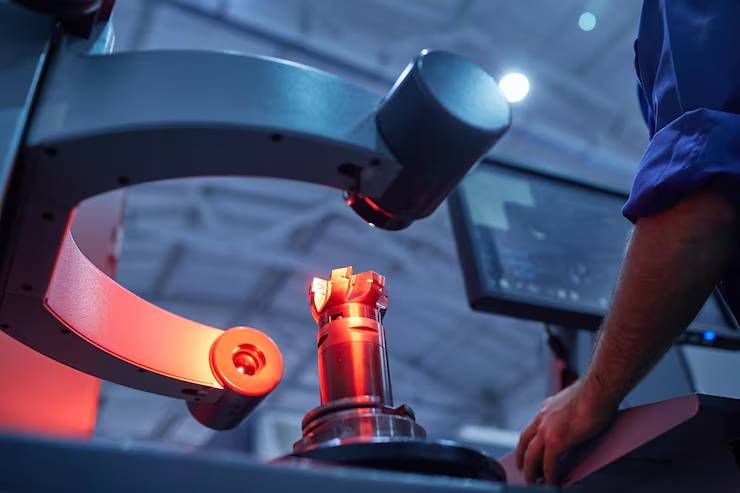
These systems combine heating elements, thermal insulation, temperature sensors, control electronics and protective enclosures. Some models also incorporate vacuum chambers, controlled-atmosphere systems or programmable heating profiles. Understanding furnace types, heating technologies and operating requirements helps laboratories select equipment suited to their experiments and material-processing objectives.
Context
What Are Laboratory Furnaces?
A laboratory furnace is an enclosed thermal processing unit designed to heat samples, components or materials to specified temperatures. Unlike conventional drying ovens, which generally operate at lower temperatures, laboratory furnaces can support a broader range of high-temperature applications.
Electrical resistance heating is widely used because it allows controlled temperature adjustment. Depending on the furnace design, heat reaches the sample through radiation, convection and conduction. Temperature controllers regulate power according to sensor measurements, while insulation helps maintain a stable internal environment.
Laboratory furnaces vary in chamber volume, maximum operating temperature, heating rate, atmosphere control and temperature uniformity. The appropriate configuration depends on the material being processed and the requirements of the experiment.
Major Types of Laboratory Furnaces
1. Muffle Furnaces
Muffle furnaces isolate the sample from direct contact with the heating elements. They are commonly used for ashing, gravimetric analysis, heat treatment and materials testing. Their enclosed chamber supports repeatable thermal processing under suitable operating conditions.
2. Box or Chamber Furnaces
Box furnaces contain a rectangular heating chamber that accommodates samples, crucibles or small components. They are used for annealing, calcination, sintering and thermal conditioning. Available chamber sizes range from compact benchtop units to larger laboratory systems.
3. Tube Furnaces
Tube furnaces heat samples placed inside a cylindrical tube. Depending on the configuration, the tube may be made from quartz, alumina or another temperature-compatible material. These furnaces are useful for controlled-atmosphere experiments, material synthesis, pyrolysis and thermal analysis.
4. High-Temperature Furnaces
High-temperature laboratory furnaces are engineered for demanding thermal processes involving ceramics, refractory materials, advanced alloys and specialised research samples. Some designs operate at temperatures of 1,600°C to 1,800°C, while specialised systems can reach higher ranges. The maximum permitted temperature depends on the heating elements, insulation, chamber materials and operating atmosphere. <Cite refs={["turn834181search0","turn834181search3"]}/>
5. Vacuum Furnaces
Vacuum furnaces heat materials under reduced pressure. Removing much of the surrounding gas can limit unwanted oxidation and support specialised heat treatment, sintering and materials research. These systems require suitable vacuum pumps, seals, pressure monitoring and chamber construction.
6. Controlled-Atmosphere Furnaces
Controlled-atmosphere furnaces introduce gases such as nitrogen, argon or selected process gases into the heating chamber. They are used when the surrounding atmosphere influences oxidation, chemical reactions or material properties.
7. Ashing Furnaces
Ashing furnaces are designed for laboratory procedures that remove combustible material from a sample, leaving inorganic residue for further analysis. They are commonly used in environmental testing, food analysis, chemical laboratories and materials characterisation.
8. Bottom-Loading and Top-Hat Furnaces
Bottom-loading furnaces allow the heating chamber or work platform to move vertically, helping position samples in high-temperature zones. Top-hat furnaces use a movable heated enclosure, making them useful for selected materials research, thermal processing and controlled-atmosphere experiments.
Heating Technologies Used in Laboratory Furnaces
Laboratory furnaces use different heating elements and control arrangements according to their operating range and intended application.
Metallic resistance elements: Commonly used in moderate- and high-temperature furnaces, depending on the alloy and element design.
Silicon carbide elements: Used in selected high-temperature systems where their thermal characteristics suit the process.
Molybdenum disilicide elements: Used in certain furnaces operating at elevated temperatures, including specialised ceramic processing applications.
Radiant heating: Transfers energy from hot surfaces to samples and chamber contents.
Multi-zone temperature control: Uses independently controlled heating zones to create or maintain a specified temperature distribution.
Programmable temperature control: Allows operators to define heating ramps, holding periods and cooling sequences.
Atmosphere and vacuum control: Regulates chamber conditions when the process requires a particular gas environment or reduced pressure.
Comparison of Laboratory Furnace Types
| Furnace type | Main characteristic | Typical applications |
|---|---|---|
| Muffle furnace | Enclosed sample chamber | Ashing and thermal analysis |
| Box furnace | Rectangular chamber | Annealing and heat treatment |
| Tube furnace | Cylindrical heated zone | Materials synthesis and pyrolysis |
| High-temperature furnace | Elevated operating range | Ceramics and advanced materials |
| Vacuum furnace | Reduced-pressure environment | Specialised heat treatment |
| Controlled-atmosphere furnace | Regulated gas environment | Oxidation-sensitive materials |
| Ashing furnace | Controlled removal of combustible matter | Laboratory residue analysis |
| Bottom-loading furnace | Movable loading platform | High-temperature sample processing |
Importance of Laboratory Furnaces
Laboratory furnaces are essential for experiments in which temperature influences material structure, chemical reactions or measured properties.
Controlled thermal processing: Programmable heating and holding periods allow researchers to reproduce experimental conditions.
Materials characterisation: Heat treatment can reveal changes in hardness, crystal structure, phase composition and other material properties.
Chemical analysis: Ashing and calcination help prepare samples for subsequent analytical procedures.
Ceramic development: Controlled heating supports ceramic firing, powder sintering and the development of specialised inorganic materials.
Research reproducibility: Temperature monitoring and data logging help laboratories document experimental conditions and compare results across multiple runs.
Quality control: Industrial laboratories use furnaces to evaluate raw materials, finished components and samples collected during manufacturing.
Manufacturing Processes for Laboratory Furnaces
Laboratory furnace manufacturing involves thermal engineering, precision fabrication, electrical integration and performance verification.
1. Design and Engineering
Engineers establish the required temperature range, chamber dimensions, sample capacity, heating rate and temperature uniformity. Additional requirements may include atmosphere control, vacuum operation, data logging and communication with laboratory instruments.
Computer-aided design tools help determine chamber geometry, insulation thickness, component placement and access arrangements.
2. Chamber Fabrication
The outer enclosure is typically constructed from sheet metal or fabricated structural components. The internal chamber uses refractory materials selected for the operating temperature and chemical environment.
Vacuum models require chamber construction and sealing arrangements appropriate to the intended pressure range.
3. Heating Element Production and Installation
Heating elements are manufactured or assembled according to the furnace design. Their position, electrical rating and spacing influence heating performance and temperature distribution.
Electrical connections must accommodate the operating current, thermal expansion and relevant insulation requirements.
4. Thermal Insulation Installation
Ceramic-fibre insulation, refractory boards, insulating bricks and other suitable materials help reduce heat loss. The insulation system must tolerate repeated heating cycles and remain compatible with the furnace's temperature limits.
5. Temperature Measurement and Control Integration
Thermocouples or other suitable temperature sensors measure chamber conditions. A controller adjusts heating power according to the programmed profile and measured temperature.
Some furnaces include multiple sensors or heating zones to improve control across the working area.
6. Electrical and Safety Integration
Manufacturers integrate power controls, circuit protection, over-temperature protection and door-related interlocks where required. Vacuum or controlled-atmosphere models may also require gas-flow controls, pressure sensors and additional safety systems.
7. Testing and Calibration
Finished furnaces undergo functional checks, temperature testing and inspection of electrical and mechanical systems. Temperature uniformity, stability and heating performance may be evaluated using specified test procedures.
Calibration and temperature mapping requirements depend on the intended use, laboratory procedures and applicable standards.
8. Final Inspection and Documentation
Documentation may include operating instructions, electrical information, temperature specifications, maintenance procedures and test records. Equipment identification and technical records help laboratories manage installation, validation and routine operation.
Global Laboratory Furnace Manufacturers and Suppliers
Several established companies manufacture laboratory furnaces for research, materials testing and industrial laboratory applications.
Carbolite Gero: Manufactures laboratory chamber furnaces, tube furnaces, vacuum furnaces and other thermal processing equipment. Its product range includes configurations for high-temperature research and materials processing. <Cite refs={["turn834181search0","turn834181search7"]}/>
Thermo Fisher Scientific: Supplies laboratory furnaces through product families that include Thermo Scientific Thermolyne and Lindberg/Blue M. Applications include ashing, heat treatment, pyrolysis and materials testing. <Cite refs={["turn834181search5","turn834181search14"]}/>
Nabertherm: Manufactures laboratory and industrial furnace systems for applications such as heat treatment, ceramics processing and materials research.
Across International: Supplies laboratory thermal processing and materials research equipment, including selected high-temperature furnace configurations.
MTI Corporation: Provides laboratory furnaces and materials research equipment used in ceramics, battery materials, metallurgy and related research fields.
Sentro Tech: Manufactures high-temperature furnaces and thermal processing systems for laboratories and specialised industrial applications.
Lindberg/Blue M: A furnace product family associated with Thermo Fisher Scientific, covering box furnaces, tube furnaces and other laboratory heating equipment. <Cite refs={["turn834181search5","turn834181search6"]}/>
When evaluating manufacturers or suppliers, laboratories should examine the temperature range, usable chamber volume, heating rate, temperature uniformity, atmosphere compatibility, calibration documentation and availability of technical assistance. Specifications should be checked for the individual model rather than assumed to apply to an entire product range.
Research and Industrial Applications of Laboratory Furnaces
Materials Science
Researchers use furnaces to study phase transformations, crystallisation, oxidation, thermal expansion and changes in mechanical properties. Controlled heating profiles help establish relationships between processing conditions and material behaviour.
Metallurgy and Alloy Development
Laboratory furnaces support annealing, controlled heat treatment, alloy preparation and selected melting experiments. Temperature accuracy and atmosphere management are particularly important when processing oxidation-sensitive materials.
Ceramics and Refractory Materials
Ceramic powders and shaped components may undergo calcination, debinding, firing or sintering. The selected furnace must accommodate the required temperature, heating rate, sample geometry and atmosphere.
Chemical and Environmental Analysis
Ashing furnaces are used to determine residue content in suitable samples. Other furnace configurations support calcination, thermal decomposition and sample preparation for subsequent analytical measurements.
Semiconductor and Electronic Materials Research
Laboratory furnaces support annealing, oxide formation, diffusion studies and processing of selected electronic materials. Controlled temperature profiles can influence electrical, structural and optical properties.
Battery and Energy Materials
Research facilities use furnaces to prepare electrode materials, process ceramic electrolytes and investigate compounds for energy storage. Depending on the material, processing may require air, inert gas, vacuum or another controlled environment.
Pharmaceutical and Biotechnology Research
Furnaces may be used in selected analytical, material-testing and laboratory support procedures. They are not interchangeable with validated sterilisation equipment; each application requires appropriate equipment selection and documented procedures.
Universities and Research Institutions
Academic laboratories use chamber and tube furnaces for undergraduate experiments, postgraduate research, materials development and thermal characterisation. Programmable controls and data logging can help researchers maintain repeatable experimental conditions. <Cite refs={["turn834181search2","turn834181search12"]}/>
Recent Developments in Laboratory Furnace Technology
Advanced temperature control: Digital controllers support programmed heating ramps, holding periods and multiple-stage thermal cycles.
Multi-zone heating: Independently controlled zones help researchers establish specified temperature distributions along a chamber or tube.
Remote monitoring and data logging: Some systems record temperature and operating data and communicate with laboratory networks, supporting traceability and experiment review.
Improved insulation: Low-thermal-mass insulation can reduce heat storage in the furnace structure and influence heating and cooling behaviour.
Atmosphere management: Improved gas-flow control and monitoring help laboratories maintain defined process conditions.
Automation and integration: Programmable recipes and instrument communication can reduce manual intervention during repeated thermal processes.
The suitability of these developments depends on the research objective, operating range, sample characteristics and required measurement accuracy.
Standards and Safety Considerations
Laboratory furnaces operate at elevated temperatures and may involve electrical hazards, hot surfaces, vacuum conditions or hazardous process gases. Appropriate design, installation and operating procedures are essential.
Important considerations include:
Electrical safety: Verify grounding, circuit protection, power ratings and electrical installation requirements.
Thermal protection: Use appropriate over-temperature protection, heat-resistant handling equipment and suitable access controls.
Ventilation: Provide suitable exhaust arrangements when sample heating releases fumes, vapours or decomposition products.
Gas safety: Inert, reactive or combustible gases require compatible gas controls and risk-based safety measures.
Vacuum safety: Vacuum chambers, viewports and seals must be rated for the intended operating conditions.
Calibration and validation: Temperature sensors and furnace performance should be checked according to laboratory quality requirements.
Material compatibility: Crucibles, sample holders and internal components must withstand the intended temperatures and chemical environment.
Relevant requirements may include IEC 61010-1 for electrical equipment used in measurement, control and laboratory applications, along with applicable machinery, workplace and electrical regulations. The precise requirements depend on the furnace design, intended use and installation jurisdiction.
Tools and Resources for Furnace Selection
Laboratory personnel can use several technical resources when specifying thermal processing equipment.
Temperature mapping equipment: Evaluates temperature distribution across the usable chamber volume.
Thermocouples and reference sensors: Measure temperatures over the ranges supported by the selected sensor.
Vacuum gauges: Monitor chamber pressure in vacuum furnace systems.
Gas flow controllers: Regulate process-gas delivery in controlled-atmosphere equipment.
Data acquisition software: Records temperature profiles and selected operating parameters.
Thermal analysis instruments: Differential scanning calorimetry and thermogravimetric analysis help characterise material changes during heating.
Manufacturer technical documentation: Provides chamber dimensions, operating limits, heating-element details and maintenance guidance.
Before selecting a furnace, define the sample dimensions, required temperature, heating and cooling rates, atmosphere, number of samples per run, temperature uniformity and documentation requirements.
FAQs About Laboratory Furnaces
1. What is a laboratory furnace used for?
Laboratory furnaces heat materials for applications such as ashing, annealing, sintering, calcination, pyrolysis, heat treatment and materials research. The specific application depends on the furnace design and operating range.
2. What is the difference between a muffle furnace and a tube furnace?
A muffle furnace has an enclosed chamber that accommodates samples in crucibles or containers. A tube furnace heats samples inside a cylindrical tube and can be configured for controlled-atmosphere experiments, continuous gas flow or selected specialised processes.
3. How hot can a laboratory furnace become?
The maximum temperature depends on the model and heating technology. General laboratory chamber furnaces commonly operate around 1,000°C to 1,300°C, while specialised high-temperature systems can reach approximately 1,800°C or higher. The rated maximum temperature must be verified for the individual model.
4. Which factors determine laboratory furnace selection?
Key factors include operating temperature, chamber volume, temperature uniformity, heating rate, atmosphere, sample material, electrical requirements and the intended process. Calibration and documentation requirements may also influence the selection.
5. How often should a laboratory furnace be calibrated?
The appropriate interval depends on the laboratory quality system, frequency of use, operating conditions, required measurement uncertainty and applicable regulations. Laboratories should follow their documented calibration schedule and verify performance after significant repairs or changes.
Conclusion
Laboratory furnaces are essential tools for controlled thermal processing across materials science, metallurgy, chemical analysis, ceramics, electronics and advanced research. Muffle, chamber, tube, vacuum and controlled-atmosphere furnaces each support different experimental and processing requirements.
Successful selection depends on understanding the material, temperature profile, atmosphere, chamber capacity and required measurement accuracy. Proper installation, safety controls, calibration and maintenance help laboratories achieve repeatable results and protect personnel and equipment.