Ocean conservation voyages are journeys designed to support the protection, study, and understanding of marine environments.
They may involve marine scientists, conservation organizations, trained volunteers, students, local communities, and travelers who participate in educational activities. Unlike ordinary ocean journeys, these voyages often include activities such as marine wildlife observation, water sampling, beach surveys, coral reef monitoring, and research into ocean pollution.
The idea behind ocean conservation voyages developed from the broader growth of marine science and environmental protection. Research vessels have long helped scientists study ocean currents, marine species, seafloor conditions, and changing water temperatures. Over time, some research programs and conservation initiatives began involving members of the public in educational and observational activities.
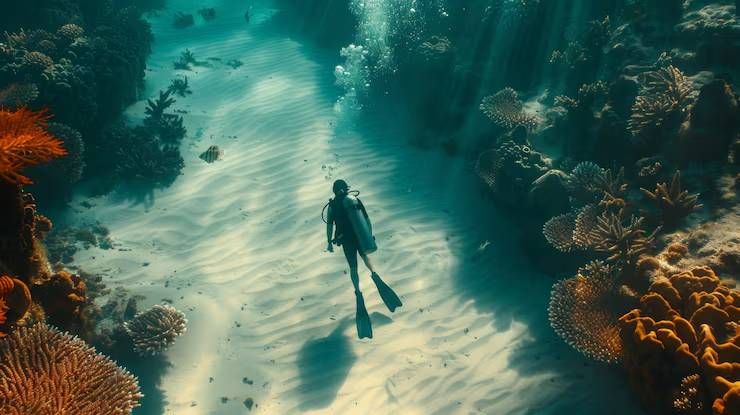
Ocean conservation voyages can take place in coastal waters, coral reef regions, remote islands, polar seas, and open-ocean environments. Their activities depend on the location, available equipment, research objectives, and environmental conditions. Some voyages focus on collecting scientific information, while others emphasize environmental education and responsible interaction with marine ecosystems.
What Happens During an Ocean Conservation Voyage?
Activities vary according to the purpose of the expedition. A research-focused voyage may involve collecting water samples, recording sea temperatures, identifying marine organisms, or measuring plastic pollution. Participants may also learn how researchers document wildlife sightings and interpret environmental data.
Common activities include:
- Marine wildlife observation, including recording sightings of whales, dolphins, turtles, and seabirds.
- Ocean pollution surveys that document plastic fragments, discarded fishing gear, and other debris.
- Coral reef monitoring that examines reef conditions, species diversity, and signs of environmental stress.
- Coastal habitat studies involving mangroves, seagrass meadows, wetlands, and beaches.
- Educational sessions explaining marine biology, ocean circulation, and conservation practices.
Not every voyage includes all these activities. Wildlife observation, diving, sample collection, and other fieldwork may require specialist training, permits, or supervision.
How Ocean Conservation Voyages Differ from Ordinary Travel
Ordinary marine travel generally focuses on transportation, recreation, or sightseeing. Ocean conservation voyages place additional emphasis on environmental learning, research, or protection activities.
However, participation does not automatically mean that a voyage produces useful scientific findings. Research value depends on appropriate methods, reliable observations, accurate records, and collaboration with qualified researchers. Responsible programs explain their objectives and distinguish between educational participation and professional scientific work.
Importance
Ocean conservation voyages matter because oceans support complex ecosystems and influence weather patterns, climate processes, food systems, and coastal livelihoods. Marine habitats also provide feeding grounds, breeding areas, and shelter for many species. Changes in ocean conditions can therefore affect wildlife, fishing communities, tourism, and people living near coastlines.
Marine environments face several pressures, including plastic pollution, overfishing, habitat destruction, warming waters, ocean acidification, and chemical contamination. These problems differ across regions, and their effects depend on local environmental conditions. Conservation voyages can help researchers observe these changes and explain why marine protection matters.
Supporting Marine Research
Many ocean environments are difficult to study from land. Research vessels provide access to offshore waters, remote islands, deep-water locations, and marine habitats that may be far from permanent research facilities.
During an expedition, researchers may record water temperature, salinity, oxygen levels, species distribution, or visible pollution. Repeated observations can help scientists compare conditions across locations and seasons. When collected using consistent methods, these records can contribute to longer-term studies of marine ecosystems.
Understanding Ocean Pollution
Plastic waste can enter marine environments through rivers, drainage systems, coastal activities, shipping, and fishing. Larger pieces may gradually break into smaller fragments, including microplastics. Some marine animals can ingest plastic or become entangled in discarded materials.
Ocean conservation voyages may document pollution patterns and identify locations where debris accumulates. These observations can help researchers investigate possible sources and evaluate changes over time. However, identifying the origin of pollution usually requires additional evidence beyond observing the debris itself.
Benefits for Coastal Communities
Coastal communities depend on marine ecosystems for food, employment, cultural practices, transportation, and recreation. Damage to coral reefs, mangroves, seagrass beds, and other habitats can affect fisheries, shoreline protection, and local economic activity.
Conservation voyages can connect researchers with local knowledge and community concerns. For example, fishers may describe changes in seasonal catches, while coastal residents may identify areas where erosion or waste accumulation has increased. Combining local observations with scientific measurements can provide a broader understanding of environmental change.
Common Research Areas
| Research area | What is examined | Why it matters |
|---|---|---|
| Marine biodiversity | Species and habitat distribution | Helps track ecosystem changes |
| Plastic pollution | Marine debris and microplastics | Improves understanding of contamination |
| Coral reefs | Reef condition and species diversity | Supports habitat conservation |
| Ocean temperature | Changes in water temperature | Helps assess marine heat stress |
| Mangroves | Habitat extent and condition | Supports coastal ecosystem protection |
| Marine wildlife | Animal sightings and movement | Contributes to species monitoring |
Recent Updates
Ocean conservation voyages increasingly combine traditional fieldwork with digital monitoring, satellite observations, environmental DNA, and community-based research. Developments during 2024–2026 reflect a wider emphasis on understanding changing marine conditions, improving environmental data, and connecting scientific research with conservation planning.
Advances in Marine Monitoring
Satellite imagery, underwater cameras, acoustic sensors, and remotely operated vehicles are helping researchers observe marine environments. Satellites can provide information about sea surface temperature, ocean colour, and certain indicators of marine conditions. Underwater instruments can record habitat characteristics and wildlife activity in locations that are difficult for people to access.
These technologies complement rather than completely replace research vessels. Scientists often need physical measurements and direct observations to verify what remote instruments detect.
Environmental DNA Research
Environmental DNA, commonly called eDNA, refers to genetic material that organisms leave in water and other surroundings. Researchers can collect water samples and analyze them for traces of particular species.
This method can help detect organisms that are difficult to observe directly. However, results depend on sampling methods, water conditions, laboratory procedures, and the reliability of reference databases. eDNA does not always reveal an organism's exact location or population size.
Climate Change and Marine Heatwaves
Marine heatwaves are periods when ocean temperatures remain unusually high for a particular region and season. They can affect coral reefs, fish distribution, seabirds, and other marine organisms.
Recent conservation research has placed continued attention on changing ocean temperatures, coral bleaching, and ecosystem resilience. Voyages can help gather local observations that complement satellite records and long-term monitoring programs.
International Ocean Protection
International cooperation remains important because marine ecosystems and pollution do not follow national boundaries. The agreement on marine biodiversity in areas beyond national jurisdiction, known as the BBNJ Agreement or High Seas Treaty, entered into force in January 2026. It establishes an international framework addressing the conservation and sustainable use of marine biodiversity in areas beyond national jurisdiction.
Its implementation is relevant to research, marine protected areas, environmental assessments, and the sharing of scientific information. Actual outcomes depend on implementation by participating countries and the development of related procedures.
Laws or Policies
Ocean conservation voyages operate within legal frameworks designed to protect marine wildlife, regulate research, reduce pollution, and manage activities in coastal and international waters. The applicable rules depend on the voyage's location, vessel, research methods, and activities.
Marine Conservation Rules in India
India has an extensive coastline and marine ecosystems that include coral reefs, mangroves, estuaries, seagrass habitats, and coastal wetlands. Several laws and policies influence marine conservation activities.
- Wild Life (Protection) Act, 1972: Provides legal protection for specified wildlife and regulates activities involving protected species. Applicable permissions may be necessary for certain research activities.
- Environment (Protection) Act, 1986: Establishes a framework for environmental protection and supports rules addressing pollution and environmental management.
- Coastal Regulation Zone (CRZ) notifications: Regulate specified activities along designated coastal areas to protect sensitive ecosystems and manage development.
- Biological Diversity Act, 2002: Addresses biodiversity conservation, sustainable use, and related access and benefit-sharing requirements.
- Merchant Shipping legislation: Relevant shipping laws address matters involving vessel operations, maritime safety, and pollution prevention, depending on the applicable provisions.
Research involving protected habitats, wildlife handling, sample collection, or restricted coastal locations may require additional authorization. The precise requirements depend on the site and the nature of the activity.
International Marine Protection Frameworks
Ocean conservation voyages may also be affected by international agreements. The United Nations Convention on the Law of the Sea establishes a broad legal framework for ocean use, maritime zones, and marine environmental protection.
The International Convention for the Prevention of Pollution from Ships, commonly known as MARPOL, addresses pollution from ships, including oil, harmful substances, sewage, garbage, and air emissions under its applicable provisions. The BBNJ Agreement provides a framework for conserving marine biodiversity in areas beyond national jurisdiction.
These agreements support international cooperation, although implementation and enforcement depend on applicable national laws, jurisdiction, and treaty obligations.
Tools and Resources
Several scientific tools and information platforms help researchers, students, and conservation participants understand marine ecosystems. Their suitability depends on the voyage's objectives, geographic area, and technical requirements.
Ocean Data and Mapping Platforms
- NOAA Ocean Exploration: Provides educational materials, expedition reports, and information about deep-sea exploration and marine research.
- Copernicus Marine Service: Publishes ocean data and information about variables such as currents, temperature, sea level, and marine conditions.
- NASA Ocean Color: Provides satellite-based information used to study ocean colour, phytoplankton, and related marine processes.
- Global Fishing Watch: Provides maps and data that help users examine fishing activity and ocean-use patterns.
- Ocean Biodiversity Information System (OBIS): Provides access to marine species occurrence records that support biodiversity research.
Equipment Used During Conservation Voyages
Common equipment includes water-sampling bottles, temperature and salinity sensors, GPS devices, underwater cameras, binoculars, and data-recording applications. Research vessels may also carry sonar systems, acoustic monitoring equipment, and remotely operated underwater vehicles.
Data collection requires suitable procedures and calibration. Wildlife observations should maintain appropriate distances, while sample collection must follow relevant permits and environmental safeguards. Digital maps and public databases can support research, but their coverage and accuracy vary by region.
FAQs
What are ocean conservation voyages?
Ocean conservation voyages are marine expeditions focused on environmental education, scientific observation, or ecosystem protection. Activities may include wildlife monitoring, pollution surveys, water sampling, and habitat assessment.
What activities take place during ocean conservation voyages?
Activities can include observing marine animals, recording ocean conditions, documenting plastic debris, studying coral reefs, and collecting environmental data. The specific activities depend on the research objectives, location, and participant training.
How do ocean conservation voyages help marine life?
These voyages can contribute observations about wildlife, habitats, pollution, and changing ocean conditions. Their findings may support research and conservation planning when data is collected and analyzed using appropriate methods.
Are ocean conservation voyages available in India?
Marine research and conservation expeditions take place in and around India's coastal and island environments. Activities may focus on coral reefs, mangroves, marine biodiversity, and pollution monitoring. Participation arrangements and permissions vary by organization and location.
Which technologies are used in ocean conservation research?
Researchers use satellite imagery, GPS, underwater cameras, acoustic sensors, environmental DNA analysis, water-quality instruments, and remotely operated vehicles. These tools help examine marine environments and collect information that may be difficult to obtain through direct observation alone.
Conclusion
Ocean conservation voyages connect marine exploration with scientific research, environmental education, and habitat protection. They help document marine biodiversity, pollution, changing ocean conditions, and the challenges facing coastal communities. Digital monitoring and international cooperation are expanding the methods available for studying marine ecosystems. Their contribution depends on reliable data collection, responsible practices, and compliance with applicable environmental and maritime regulations.