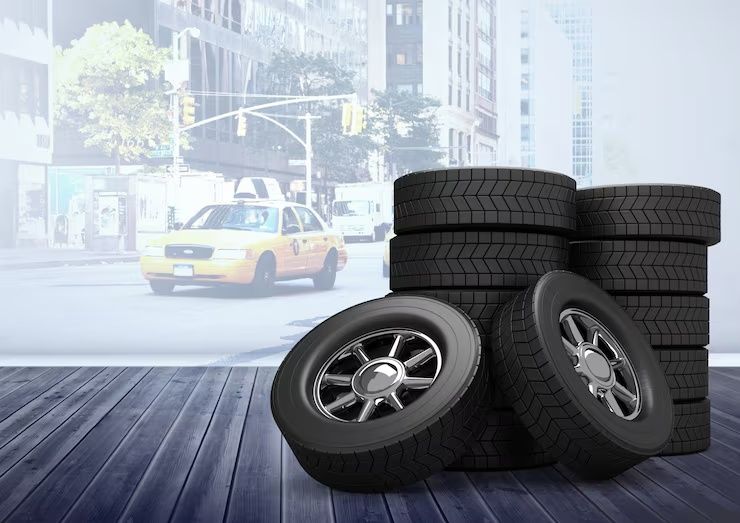
Vehicle tires are one of the most important yet often overlooked components of automobiles. They form the only point of contact between a vehicle and the road, affecting safety, fuel efficiency, comfort, and handling. Tires are designed using layers of rubber, steel, and synthetic materials to withstand pressure, maintain grip, and adapt to different road conditions.
Importance
Understanding vehicle tires is essential for every driver. Tires impact how a car accelerates, brakes, and maneuvers. Properly maintained tires not only extend vehicle lifespan but also reduce the risk of accidents.
-
Safety: Tires with good tread depth and correct pressure improve traction, especially in wet or icy conditions.
-
Fuel Economy: Low rolling resistance tires reduce energy loss, saving fuel and cutting emissions.
-
Comfort: Quality tires absorb shocks from uneven roads, improving ride smoothness.
-
Cost Management: Regular maintenance prevents premature wear and costly replacements.
| Factor | Impact on Driving |
|---|---|
| Tread depth | Improves grip and reduces hydroplaning |
| Tire pressure | Affects braking, fuel efficiency, and stability |
| Tire type | Tailors performance for different climates and terrains |
| Regular rotation | Extends tire lifespan and ensures even wear |
For drivers, being informed about tire maintenance and selection helps in making better decisions that balance safety, performance, and cost.
Recent Updates (2023–2024)
The tire industry has experienced several key developments over the past year:
-
Sustainable Materials (2023–2024): Major manufacturers like Michelin, Bridgestone, and Goodyear have announced progress toward producing tires with 40–70% renewable or recycled materials. For example, in July 2023, Michelin revealed prototypes made with bio-based and recycled components.
-
Smart Tire Technology (2023): Companies are integrating sensors into tires that monitor pressure, tread wear, and temperature. These smart tires can communicate with vehicle systems to alert drivers in real time.
-
Electric Vehicle (EV) Tires (2023–2024): With EV adoption growing, manufacturers are producing tires specifically designed to handle heavier loads, higher torque, and quieter operation. Continental launched EV-compatible tires in 2023, optimized for reduced rolling resistance.
-
Regenerative Design (2023): Research is underway into self-healing rubber compounds that can extend tire life.
-
Global Market Growth: According to 2023 industry reports, the tire market is expected to grow steadily, with Asia-Pacific leading due to increased car ownership and road infrastructure development.
| Trend | Year Introduced | Benefit |
|---|---|---|
| Sustainable materials | 2023–2024 | Lower environmental footprint |
| Smart tire sensors | 2023 | Real-time safety monitoring |
| EV-specific tires | 2023–2024 | Better performance for electric vehicles |
| Self-healing compounds | Research 2023 | Longer tire life |
| Market expansion in Asia | 2023 | Increased production and demand |
Laws or Policies
Tires are subject to strict regulations worldwide to ensure road safety, environmental protection, and consumer rights.
-
Tire Labeling: In the European Union, all tires must carry standardized labels indicating fuel efficiency, wet grip, and noise levels. Updated EU tire labeling laws came into effect in 2021 and continue to influence tire sales in 2024.
-
Minimum Tread Depth: Most countries require a legal minimum tread depth. For example, in the U.S., it is 2/32 of an inch, while in the U.K. and EU it is 1.6 mm. Driving with worn tires below this depth can result in fines and safety risks.
-
Tire Disposal and Recycling: Many countries regulate how old tires are disposed of to reduce environmental impact. Programs exist to encourage recycling into playground surfaces, construction materials, or alternative fuels.
-
Safety Standards: Tires must meet international standards such as DOT (Department of Transportation) in the U.S. and ECE regulations in Europe.
-
Winter Tire Mandates: In certain countries (e.g., Germany, Sweden, Canada’s provinces), drivers are legally required to use winter tires during specific months.
| Regulation Type | Region/Authority | Purpose |
|---|---|---|
| Tire labeling laws | EU | Inform consumers on safety and efficiency |
| Minimum tread depth | U.S., U.K., EU | Maintain road safety |
| Tire recycling mandates | Global (varies by country) | Reduce waste and promote sustainability |
| DOT and ECE standards | U.S., Europe | Ensure quality and performance |
| Winter tire laws | Europe, Canada | Improve traction in snow and ice |
Tools and Resources
Drivers today have access to many digital tools and resources that simplify tire selection, monitoring, and maintenance.
-
Tire Pressure Monitoring Apps
-
TPMS Apps: Work with vehicles equipped with tire pressure monitoring systems to provide real-time updates.
-
Car Scanner ELM OBD2: Connects via OBD2 device for detailed tire and vehicle diagnostics.
-
-
Tire Size Calculators
-
Tire Rack Size Calculator: Helps compare tire sizes for compatibility.
-
1010Tires Calculator: Assists drivers in understanding diameter, width, and fitment changes.
-
-
Maintenance Resources
-
National Highway Traffic Safety Administration (NHTSA): Offers guides on tire safety and recalls.
-
European Tyre & Rubber Manufacturers’ Association (ETRMA): Provides industry insights and safety recommendations.
-
-
Educational Platforms
-
Tire University (Michelin): Free resources on tire basics.
-
Automobile Association (AA): Offers guides on tire care and maintenance.
-
| Tool/Resource Type | Examples | Purpose |
|---|---|---|
| Pressure monitoring | TPMS Apps, Car Scanner OBD | Ensure proper inflation |
| Size calculators | Tire Rack, 1010Tires | Check compatibility before purchase |
| Safety resources | NHTSA, ETRMA | Access official tire safety information |
| Educational platforms | Michelin Tire University | Learn tire basics |
FAQs
1. How often should I check my tire pressure?
It is recommended to check tire pressure at least once a month and before long trips. Incorrect pressure can lead to poor fuel efficiency, uneven wear, and reduced safety.
2. When should I replace my tires?
Tires should be replaced when tread depth falls below the legal minimum (1.6 mm in most regions) or when they show signs of cracks, bulges, or uneven wear. Many experts suggest replacing tires every 6–10 years regardless of tread if rubber deterioration is visible.
3. Are all-season tires suitable for winter driving?
All-season tires can handle mild winter conditions but are not a substitute for dedicated winter tires in regions with heavy snow or ice. Winter tires provide superior grip and braking performance in low temperatures.
4. What is the lifespan of an average tire?
Most tires last between 40,000–60,000 km depending on driving style, road conditions, and maintenance. Regular rotation, alignment, and correct inflation extend tire life.
5. Do electric vehicles require different tires?
Yes. EVs are heavier and produce higher torque, which increases wear. Many manufacturers now design EV-specific tires with stronger sidewalls, lower rolling resistance, and noise-reducing technology.
Conclusion
Vehicle tires are far more than simple rubber components—they are advanced, engineered products that directly influence safety, performance, and efficiency. With technological innovations, evolving regulations, and growing environmental awareness, drivers today must be more informed than ever.
By understanding tire basics, staying updated on trends, and using available tools, every driver can make better decisions about tire care and replacement. Ultimately, this knowledge helps ensure safer roads, lower costs, and improved driving experiences worldwide.