
Sandalwood is one of the most valuable and well-known trees in the world. Renowned for its distinctive fragrance and versatile uses, sandalwood has been cultivated for centuries across various regions. Its wood and essential oil are widely used in industries ranging from personal care and wellness products to pharmaceuticals and specialty manufacturing.
As global demand for natural products continues to grow, sandalwood cultivation has gained increasing attention among agricultural investors and commercial growers. Modern cultivation practices, improved processing technologies, and sustainable plantation management have transformed sandalwood into an important commercial crop.
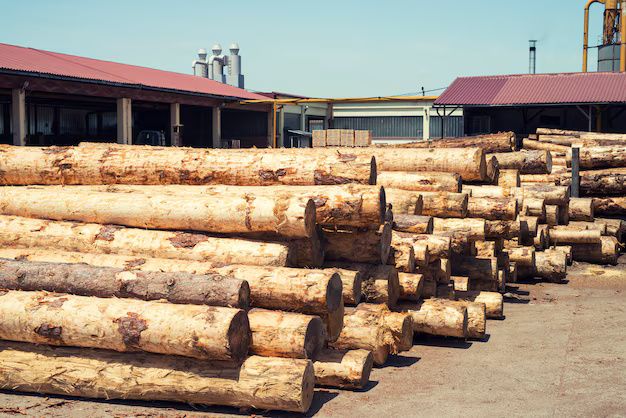
This guide explores sandalwood cultivation, processing methods, and the wide range of applications that make this tree highly valued across multiple industries.
What Is Sandalwood?
Sandalwood refers to a group of aromatic trees known for their fragrant heartwood and essential oil. The most commercially recognized varieties are prized for their rich aroma, which develops as the tree matures.
Unlike many timber species, the primary value of sandalwood lies not only in its wood but also in the oil extracted from its heartwood and roots. This unique characteristic has made sandalwood an important natural resource for centuries.
The tree is appreciated for:
- High-value heartwood
- Aromatic essential oil
- Long-term commercial potential
- Diverse industrial applications
These qualities continue to drive interest in sandalwood cultivation worldwide.
Why Sandalwood Is Commercially Important
Sandalwood occupies a unique position among commercial tree crops. Its combination of fragrance, durability, and industrial versatility creates demand across multiple sectors.
Several factors contribute to its commercial significance:
- Growing demand for natural ingredients
- Expanding personal care industries
- Increased interest in sustainable forestry
- Long-term value generation potential
Because of these factors, sandalwood plantations have become an area of interest for agricultural and forestry development projects.
Understanding Sandalwood Cultivation
Successful sandalwood production requires careful planning and long-term management. Unlike many conventional crops, sandalwood trees require specific growing conditions and specialized cultivation practices.
Climate Requirements
Sandalwood grows best in warm climates with moderate rainfall and adequate sunlight.
Regions with well-defined dry and wet seasons often provide favorable growing conditions for healthy tree development.
Proper climate selection contributes significantly to long-term plantation success.
Soil Conditions
Healthy soil plays an important role in sandalwood growth.
Well-drained soils with good nutrient availability are generally preferred. Excessive water retention can affect root development and overall tree health.
Regular soil assessment helps growers maintain optimal growing conditions throughout the plantation lifecycle.
Host Plant Relationships
One unique characteristic of sandalwood is its semi-parasitic nature.
The tree forms beneficial root connections with nearby host plants, allowing it to obtain additional nutrients during growth.
Common plantation systems often incorporate carefully selected companion species to support sandalwood development.
Stages of Sandalwood Cultivation
The cultivation process involves several important stages that contribute to the production of high-quality wood and oil.
Seedling Production
Cultivation typically begins with the development of healthy seedlings in controlled nursery environments.
Strong early growth is important because it establishes the foundation for future plantation performance.
Nursery management focuses on ensuring consistent seed germination and root development.
Plantation Establishment
Once seedlings reach an appropriate stage, they are transplanted into prepared plantation sites.
Proper spacing is important because it allows adequate access to sunlight, nutrients, and growing space.
Well-planned plantation layouts also support long-term maintenance activities.
Growth and Maintenance
Sandalwood trees require ongoing monitoring throughout their growth cycle.
Routine plantation management may include weed control, irrigation management, and health assessments.
Consistent maintenance helps support healthy development and improves long-term productivity.
Maturity and Harvesting
Sandalwood trees require several years to develop valuable heartwood and oil content.
As the tree matures, the concentration of aromatic compounds increases, enhancing its commercial value.
Harvesting typically occurs only after sufficient heartwood formation has taken place.
Processing Technologies Used in Sandalwood Production
The value of sandalwood is closely linked to the processing methods used after harvesting.
Modern technologies help maximize product quality while improving resource utilization.
Wood Processing
After harvesting, the wood is carefully separated into different grades based on quality and heartwood content.
The heartwood contains the highest concentration of aromatic compounds and is therefore the most valuable portion of the tree.
Proper processing helps preserve fragrance and product integrity.
Essential Oil Extraction
One of the most important commercial products derived from sandalwood is essential oil.
The extraction process typically involves specialized distillation techniques that separate aromatic compounds from the wood material.
The quality of the oil depends on factors such as tree maturity, heartwood content, and processing efficiency.
Grading and Quality Assessment
Processed sandalwood products are often evaluated according to specific quality standards.
Factors commonly assessed include:
- Fragrance profile
- Heartwood percentage
- Oil content
- Wood density
Consistent quality evaluation helps ensure reliable product performance across different applications.
Commercial Products Derived from Sandalwood
Sandalwood supports a diverse range of commercial products due to its unique fragrance and natural properties.
Sandalwood Oil
Essential oil remains one of the most valuable sandalwood products.
Its rich aroma makes it highly sought after for personal care, wellness, and specialty product manufacturing.
Processed Wood Products
Sandalwood timber is used in various specialty applications where fragrance and appearance are important.
The natural aroma often remains present for many years after processing.
Fragrance Ingredients
Many fragrance formulations incorporate sandalwood-derived ingredients due to their distinctive scent characteristics.
Its long-lasting aroma contributes to its popularity within fragrance manufacturing.
Botanical Extracts
Research and product development activities continue to explore new applications for sandalwood-derived compounds in various industrial sectors.
These innovations are expanding the commercial potential of sandalwood resources.
Industrial Applications of Sandalwood
Sandalwood supports numerous industries through its versatile properties and broad range of applications.
Personal Care Industry
Sandalwood ingredients are widely used in personal care formulations due to their aromatic qualities.
Manufacturers often incorporate sandalwood-derived materials into premium product lines.
Wellness and Lifestyle Products
The distinctive fragrance of sandalwood makes it popular in wellness-focused products and specialty lifestyle applications.
Its natural aroma contributes to consumer interest in botanical ingredients.
Pharmaceutical Research
Researchers continue to study sandalwood compounds for potential applications within pharmaceutical and biotechnology fields.
Ongoing scientific investigations are expanding understanding of its unique properties.
Specialty Manufacturing
Certain industries use sandalwood materials in niche manufacturing applications where fragrance, durability, and appearance are valued characteristics.
These applications contribute to the tree's long-term commercial relevance.
Benefits of Sustainable Sandalwood Cultivation
Modern sandalwood cultivation increasingly emphasizes sustainability and responsible resource management.
Key benefits include:
- Long-term forestry development
- Efficient land utilization
- Renewable natural resource production
- Support for environmental conservation initiatives
Sustainable cultivation practices help balance commercial objectives with environmental stewardship.
Challenges in Sandalwood Production
Although sandalwood offers significant commercial potential, cultivation requires patience and careful management.
Growers must address factors such as long growth cycles, plantation maintenance requirements, and environmental conditions.
Successful production depends on proper planning, ongoing monitoring, and adherence to sustainable cultivation practices.
Advances in plantation management and agricultural technology continue to improve cultivation outcomes.
Future Trends in the Sandalwood Industry
The sandalwood sector is evolving as demand for natural ingredients and sustainable forestry products continues to grow.
Emerging developments include improved cultivation techniques, advanced processing technologies, and greater emphasis on plantation sustainability.
Digital monitoring systems, precision agriculture tools, and enhanced extraction methods are expected to improve productivity and product quality in the coming years.
These innovations may help strengthen the industry's ability to meet growing global demand while supporting responsible resource management.
Conclusion
Sandalwood remains one of the world's most valuable and versatile tree crops. Through careful cultivation, advanced processing technologies, and sustainable plantation management, it supports a wide range of commercial and industrial applications.
From essential oil production and specialty wood products to fragrance manufacturing and research applications, sandalwood continues to play an important role across multiple sectors. As cultivation practices and processing technologies advance, sandalwood is expected to remain a significant component of sustainable forestry and high-value agricultural development.