Sanitary pad manufacturing is an important part of the modern hygiene products industry. These products play a key role in menstrual health, comfort, and daily hygiene for millions of individuals worldwide. Over the years, production methods have evolved significantly, shifting from basic manual processes to highly automated and precision-driven manufacturing systems.
Today’s sanitary pads are designed to be thin, highly absorbent, comfortable, and safe for long-duration use. This level of performance is achieved through advanced materials, controlled production environments, and strict quality standards that ensure consistency in every unit produced.
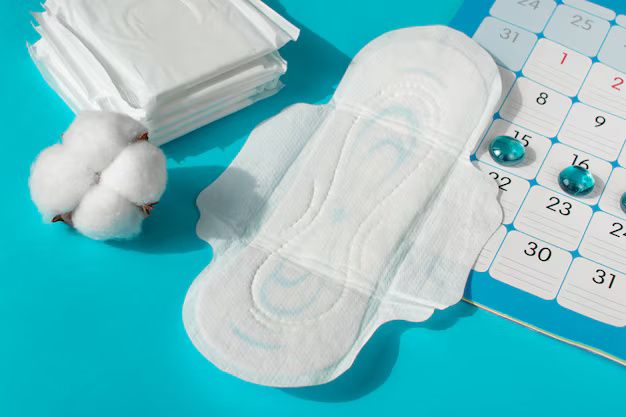
This guide explains how sanitary pads are manufactured, the raw materials used, machinery involved, and global quality practices followed in the industry.
What Is Sanitary Pad Manufacturing?
Sanitary pad manufacturing refers to the industrial process of producing absorbent hygiene products designed for menstrual protection. The process involves combining multiple layers of specialized materials that work together to absorb, lock, and retain fluid while keeping the surface dry and comfortable.
Modern manufacturing focuses on three key objectives: absorbency, comfort, and safety. Each pad is engineered with multiple functional layers that serve specific purposes such as absorption, leakage prevention, and skin protection.
Unlike simple textile products, sanitary pads require precise engineering and hygienic production environments to ensure user safety and consistent performance.
Importance of the Hygiene Products Industry
The hygiene products industry plays a major role in supporting public health and personal care. Sanitary pads are widely used in households, healthcare institutions, and public health programs across the world.
This industry is important because it:
- Supports menstrual hygiene and health awareness
- Reduces health risks associated with poor hygiene practices
- Improves comfort and mobility during menstruation
- Encourages better sanitation standards globally
As awareness about hygiene increases, demand for high-quality absorbent products continues to grow, leading to continuous innovation in design and manufacturing methods.
Raw Materials Used in Sanitary Pad Production
The performance of a sanitary pad depends heavily on the materials used during production. Each material serves a specific function within the structure of the pad.
1. Top Sheet Layer
The top sheet is the layer that comes in direct contact with the skin. It is usually made from soft nonwoven fabric designed to provide comfort and quick liquid transfer.
This layer must remain dry to prevent irritation and ensure comfort during use.
2. Absorbent Core
The absorbent core is the most important part of the pad. It is typically made using a combination of fluff pulp and super absorbent polymer (SAP).
Fluff pulp helps distribute liquid evenly, while SAP locks moisture and converts it into gel form to prevent leakage.
3. Back Sheet Layer
The back sheet is a waterproof layer that prevents leakage from the bottom of the pad. It is usually made from polyethylene film or similar moisture-resistant materials.
This layer ensures that fluid does not pass through clothing during use.
4. Adhesives and Release Paper
Adhesives are used to secure the pad in place during use, while release paper protects the adhesive surface before application.
These components ensure stability and ease of use.
Advanced Production Technology
Modern sanitary pad manufacturing relies on high-speed automated production systems. These machines are designed to produce thousands of pads per hour while maintaining strict consistency and hygiene standards.
Automation reduces manual handling and improves production efficiency while ensuring product uniformity.
Key technological features include:
- Automated material feeding systems
- Precision layering technology
- Real-time quality monitoring systems
- High-speed cutting and sealing units
These technologies ensure that each pad meets performance and safety expectations.
Machinery Used in Manufacturing
Sanitary pad production involves specialized machinery designed for different stages of the manufacturing process.
Forming Unit
The forming unit creates the absorbent core by combining fluff pulp and SAP in a controlled structure. This stage determines the pad’s absorption capacity and shape.
Lamination System
This system combines different layers such as the top sheet, absorbent core, and back sheet into a single structure.
Strong bonding between layers is essential for durability and performance.
Cutting and Shaping Machines
Once layers are assembled, machines cut the material into specific pad shapes and sizes.
Precision cutting ensures uniformity across all products.
Sealing and Packaging Systems
Sealing machines finalize the pad structure by securing edges and preparing the product for hygienic packaging.
Packaging systems maintain cleanliness and protect the product until it reaches end users.
Manufacturing Process Explained
The manufacturing process follows a continuous production line that integrates multiple stages.
Material Preparation
Raw materials such as fluff pulp, SAP, and nonwoven fabric are prepared and loaded into automated feeding systems.
Proper preparation ensures consistency in the final product.
Core Formation
The absorbent core is formed by layering fluff pulp and distributing SAP evenly across the structure.
This step is critical for ensuring high absorbency and leakage control.
Layer Assembly
All layers are combined using lamination technology. The top sheet, core, and back sheet are aligned and bonded together.
Strong adhesion ensures product stability during use.
Cutting and Shaping
The continuous material is cut into individual pads using high-precision cutting systems.
Each pad is shaped uniformly to maintain consistent quality.
Final Sealing and Packaging
Pads are sealed and packaged in controlled environments to maintain hygiene and product integrity.
Packaging is designed to protect against moisture and contamination.
Global Quality Standards in Production
Sanitary pad manufacturing follows strict quality and hygiene standards to ensure safety and reliability.
Manufacturers focus on:
- Material safety and purity
- Absorbency performance testing
- Leakage resistance evaluation
- Skin compatibility checks
- Hygiene-controlled production environments
Quality control systems monitor every stage of production to ensure consistency and reduce defects.
These standards are essential for maintaining trust and ensuring product safety across global markets.
Types of Sanitary Pads
Different types of sanitary pads are designed to meet varying user needs and comfort preferences.
Regular Pads
These are designed for moderate flow and daily use during menstrual cycles.
Night Use Pads
These pads are longer and more absorbent, designed for extended protection during sleep.
Ultra-Thin Pads
Ultra-thin designs focus on comfort and discreet usage while maintaining strong absorption capabilities.
Winged Pads
Winged pads include side extensions that help secure the pad in place and prevent leakage.
Safety and Hygiene Considerations
Hygiene is one of the most critical aspects of sanitary pad manufacturing. Production facilities operate in controlled environments to minimize contamination risks.
Workers follow strict hygiene protocols, and machinery is regularly sanitized to ensure safe production conditions.
Material selection also focuses on skin safety, ensuring that products are gentle and non-irritating during use.
Sustainability in Sanitary Pad Manufacturing
Sustainability has become an important focus in the hygiene industry. Manufacturers are exploring eco-friendly materials and reducing environmental impact through improved production methods.
Common sustainability efforts include:
- Use of biodegradable materials
- Reduction in plastic content
- Efficient waste management systems
- Energy-efficient production technologies
These efforts aim to balance product performance with environmental responsibility.
Challenges in Manufacturing
Sanitary pad production faces several challenges related to material sourcing, quality consistency, and environmental concerns.
Maintaining uniform absorbency while improving comfort and reducing environmental impact requires continuous innovation and research.
Manufacturers also need to ensure stable supply chains for raw materials while meeting global demand.
Future Trends in the Industry
The future of sanitary pad manufacturing is shaped by innovation, sustainability, and advanced material science.
New developments include smarter absorbent materials, biodegradable designs, and more efficient automated production systems.
Digital monitoring and artificial intelligence are also being integrated into manufacturing lines to improve quality control and production efficiency.
These advancements are expected to improve both product performance and environmental sustainability.
Conclusion
Sanitary pad manufacturing is a highly specialized process that combines material science, precision engineering, and advanced automation. Each stage of production is carefully designed to ensure comfort, absorbency, and safety for end users.
As technology continues to evolve, the industry is moving toward more sustainable and efficient manufacturing practices while maintaining strict quality standards. Understanding this process highlights the importance of innovation in supporting hygiene, health, and well-being across global communities.
Disclaimer: The information provided in this article is for informational purposes only. We do not make any claims or guarantees regarding the accuracy, reliability, or completeness of the information presented. The content is not intended as professional advice and should not be relied upon as such. Readers are encouraged to conduct their own research and consult with appropriate professionals before making any decisions based on the information provided in this article.