Storm damage can turn a small roof problem into a much larger home issue in a short period of time.
Strong winds, heavy rain, hail, falling branches, and flying debris can damage shingles, flashing, vents, gutters, or other roof components. Once water finds an opening, it may spread into ceilings, insulation, walls, flooring, and electrical areas.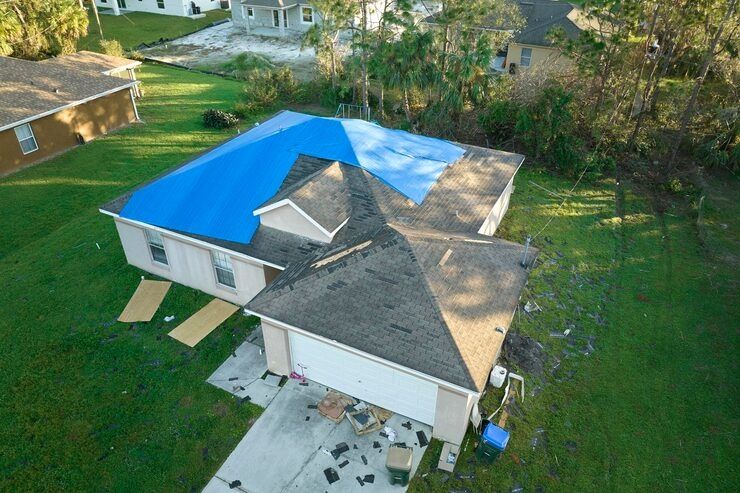
Understanding storm damage roof leak mitigation can help homeowners respond calmly and reduce the risk of additional water damage. The goal is not to perform complicated roof repairs during unsafe conditions, but to identify immediate concerns, control water where possible, document visible damage, and arrange appropriate follow-up.
What Causes Roof Leaks After a Storm?
A roof does not need to appear severely damaged from the ground for water to enter a building. Storm-related leaks can develop through several pathways.
High winds can loosen or lift roofing materials, creating gaps that allow rainwater underneath. Hail may damage the surface of roofing materials, while falling branches can create punctures or larger openings. Heavy rainfall can also expose weaknesses around roof penetrations, valleys, flashing, chimneys, and skylights.
Common storm-related causes include:
- Missing, cracked, lifted, or displaced shingles
- Damaged flashing around roof openings
- Punctures caused by branches or debris
- Blocked or damaged gutters and downspouts
- Damaged vents, skylights, or other roof penetrations
- Water entering through areas weakened by earlier weather exposure
Some leaks may not appear inside the home immediately. Water can travel along roof decking, framing, insulation, and wall cavities before becoming visible.
What Should You Do First After Storm Damage?
Safety should come before inspecting the roof. A wet or damaged roof can be slippery, unstable, and difficult to assess safely. Avoid climbing onto the roof during active rain, strong winds, lightning, or other hazardous conditions.
From the ground, look for obvious changes such as missing roofing materials, sagging areas, fallen branches, or debris. Inside the home, check ceilings, upper walls, attics, and other areas where moisture may become visible.
If water is entering the home, move furniture, electronics, documents, and other vulnerable belongings away from the affected area when it is safe to do so. Place appropriate containers beneath active drips and use towels or other absorbent materials to limit the spread of water across floors.
If water is near electrical outlets, fixtures, wiring, or electrical equipment, avoid contact with the affected area and follow appropriate electrical safety precautions.
How Can You Limit Further Water Damage?
The most effective mitigation measures focus on controlling water without creating additional hazards.
If there is a known opening and conditions are safe, temporary weather protection may help reduce additional water entry. However, roof coverings should not be installed or manipulated from an unstable roof during dangerous weather.
Inside the property, contain visible water and improve ventilation when appropriate. Wet materials can retain moisture long after the initial leak stops, increasing the possibility of mold growth, odors, staining, and deterioration.
Keep an eye on areas beyond the original leak. Water can migrate through building materials, meaning the location of a ceiling stain does not always correspond directly with the point where rain entered the roof.
Prompt attention is particularly important when insulation, drywall, wood framing, flooring, or other porous materials become wet.
Inspecting the Roof Without Creating More Damage
Once weather conditions have stabilized, a visual inspection can help identify areas that may require attention. For many homeowners, a ground-level inspection is the safest starting point.
Use binoculars if necessary to examine the roof from a distance. Look for irregular shingle patterns, missing sections, exposed underlayment, damaged flashing, fallen debris, or areas that appear different from the surrounding roof.
Do not assume that every visible defect is responsible for the leak. Roof water can travel horizontally before entering the interior, so determining the actual entry point may require a more detailed assessment.
Avoid pulling, lifting, or removing roofing materials simply to investigate a suspected problem. Improper handling can enlarge an opening or create another pathway for water.
Why Temporary Mitigation Matters
Storm damage roof leak mitigation is primarily about reducing secondary damage while permanent corrective work is being evaluated.
A roof opening can allow repeated rainfall to enter the building. Even when the original damage is relatively limited, continued moisture exposure can affect ceilings, insulation, framing, flooring, and personal belongings.
Temporary measures may include covering exposed areas when conditions permit, clearing accessible debris without climbing onto an unsafe roof, directing water away from vulnerable interior areas, and protecting belongings from ongoing drips.
The exact approach depends on the type and location of damage. A small displaced roofing section presents different concerns from a puncture, structural sag, or widespread storm damage.
Documenting Storm Damage
Clear documentation can help create an accurate record of what happened and when it occurred.
Take photographs or videos of visible exterior damage when it can be done safely. Interior evidence can include ceiling stains, wet flooring, damaged walls, dripping areas, and affected belongings.
It can also be useful to record:
- The approximate date of the storm
- Weather conditions that were observed
- When the leak was first noticed
- Areas where water appeared
- Temporary measures taken to limit water intrusion
- Visible changes after subsequent rainfall
Avoid disturbing damaged areas unnecessarily before they have been documented. Keeping organized records can make later discussions about inspection, restoration, or property-related documentation more straightforward.
Managing Moisture Inside the Home
Stopping the immediate water entry is only one part of mitigation. Moisture that remains inside building materials can create continuing problems.
Wet drywall may become soft or stained, while damp insulation can lose effectiveness and retain moisture. Wood components can also be affected when they remain wet for extended periods.
Ventilation can help in appropriate circumstances, but it should not be used as a substitute for addressing an active leak. Fans may spread contaminants or moisture if used incorrectly, particularly when microbial growth is already present.
If substantial areas have become wet, an assessment can help determine which materials can be dried and which may require further attention.
When a Roof Leak Requires Prompt Attention
Certain warning signs indicate that a roof leak should not be treated as a minor issue.
These include visible ceiling sagging, substantial water accumulation, repeated leaks, exposed electrical components, significant roof openings, structural movement, extensive missing roofing materials, or water entering multiple areas of the property.
A ceiling that is bulging from accumulated water can represent a particular hazard. Avoid standing directly beneath it or attempting to puncture the surface without understanding the risks.
Professional assessment may also be appropriate when the roof cannot be safely inspected from the ground or when the source of the leak remains unclear.
Preventing Future Storm-Related Roof Problems
Storm preparation can reduce the likelihood that minor vulnerabilities become major water-entry points.
Regularly inspect accessible gutters and downspouts for blockage. Keep nearby trees appropriately maintained so weakened or overhanging branches are less likely to fall onto the roof. Periodic roof inspections can also help identify aging materials, deteriorated flashing, or other vulnerabilities before severe weather occurs.
After major storms, an exterior inspection can be useful even when there is no visible interior leak. Some damage may remain hidden until another period of heavy rainfall.
Frequently Asked Questions
Can a roof leak appear several hours after a storm?
Yes. Water can travel through roofing and structural materials before reaching the interior. A delayed ceiling stain or drip does not necessarily mean the damage occurred after the storm.
Should I climb onto my roof to find the leak?
Generally, avoid climbing onto a storm-damaged or wet roof unless you are properly equipped and conditions are demonstrably safe. Ground-level observation is a safer initial approach.
Does a small ceiling stain mean the roof has major damage?
Not necessarily. A small interior stain can result from a localized opening, but the visible stain may also be some distance from the actual water-entry point. Further assessment may be needed to determine the cause.
What should I do if water reaches an electrical area?
Do not touch wet electrical components or stand in water near electrical equipment. Treat the situation as a potential electrical hazard and follow appropriate safety procedures.
How quickly should wet materials be addressed?
As soon as reasonably possible. Prompt moisture management can reduce the likelihood of staining, deterioration, persistent odors, and other secondary problems.
Conclusion
Storm damage roof leak mitigation is about controlling immediate risks and limiting the effects of water intrusion while the roof and affected areas are properly assessed. Safe observation, interior water containment, temporary protection, documentation, and timely moisture management can all help reduce secondary damage.
The most important principle is to avoid creating additional hazards while responding to the original problem. When roof damage is extensive, structural concerns are present, or the source of a leak cannot be identified safely, qualified assessment is an appropriate next step. A measured response can make storm recovery more organized while protecting the home from unnecessary water-related damage.