
Turnkey plant manufacturing is an integrated approach to developing complete industrial facilities where a single project team manages the entire process from initial planning and engineering design to equipment installation, testing, and final commissioning. This approach helps industries establish production facilities through coordinated project execution rather than managing multiple independent contractors.
Modern turnkey plant projects combine engineering expertise, advanced manufacturing technologies, automation systems, construction management, and commissioning procedures to create fully operational industrial facilities. These projects are widely used in industries such as pharmaceuticals, chemicals, food processing, energy, automotive, mining, and manufacturing.
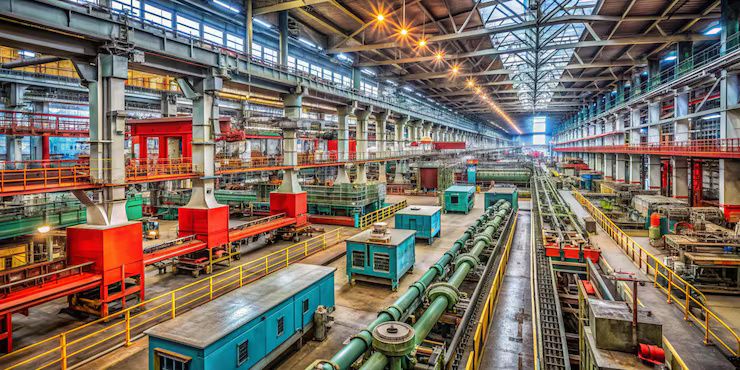
As industries continue adopting smart manufacturing and digital engineering solutions, turnkey plant development is becoming more efficient through automation, simulation tools, digital twins, and integrated project management systems. This guide explains turnkey plant manufacturing, EPC project delivery, plant design, engineering processes, and commissioning stages.
Quick Overview
| Feature | Details |
|---|---|
| Industry | Industrial Manufacturing & Engineering |
| Primary Purpose | Complete Industrial Plant Development |
| Main Approach | Engineering, Procurement and Construction (EPC) |
| Key Stages | Design, Equipment Integration, Installation, Commissioning |
| Technologies Used | Automation, Digital Engineering, IIoT, Simulation |
| Major Applications | Manufacturing, Energy, Chemical, Food, Pharmaceutical |
What Is Turnkey Plant Manufacturing?
Turnkey plant manufacturing refers to the development of a complete industrial facility that is designed, engineered, constructed, installed, tested, and prepared for operation through a coordinated project approach.
The term "turnkey" means the completed facility is delivered in an operational condition, allowing the owner to begin production after project completion. The project team manages multiple activities, including engineering design, equipment integration, construction coordination, and system commissioning.
A typical turnkey plant project includes:
- Process design
- Equipment selection
- Plant layout planning
- Manufacturing systems
- Automation integration
- Installation activities
- Testing and commissioning
This approach provides a structured method for developing complex industrial facilities.
Why Turnkey Plant Manufacturing Is Important
Industrial plants involve multiple interconnected systems, including production equipment, utilities, automation controls, safety systems, and infrastructure. Managing these components separately can create coordination challenges.
Turnkey plant manufacturing helps simplify project execution by integrating different engineering and construction activities into a unified process.
Important advantages include:
- Coordinated project management
- Improved design integration
- Faster project execution
- Better equipment compatibility
- Reduced operational challenges
These benefits make turnkey solutions valuable for industries developing new production facilities or expanding existing operations.
EPC Project Delivery Model
Engineering, Procurement, and Construction (EPC) is one of the most common delivery models used in turnkey plant projects.
Engineering Phase
The engineering phase defines the technical requirements of the plant.
It includes:
- Process engineering
- Mechanical design
- Electrical planning
- Automation design
- Safety engineering
- Plant layout development
Engineers analyze production requirements and create detailed designs before construction begins.
Procurement Phase
The procurement phase involves sourcing equipment, machinery, materials, and components required for plant development.
This stage includes:
- Equipment specification
- Supplier coordination
- Material selection
- Quality inspection
- Delivery management
Proper procurement ensures that all components meet technical requirements.
Construction Phase
The construction phase focuses on physical plant development.
Activities may include:
- Civil construction
- Equipment installation
- Piping systems
- Electrical installation
- Utility connections
- Control system setup
The construction team ensures that all systems are installed according to engineering specifications.
Commissioning Phase
Commissioning verifies that the completed plant operates correctly.
It includes equipment testing, system validation, performance checks, and operator training before production begins.
Plant Design and Engineering Process
Plant design is one of the most important stages of turnkey manufacturing because it determines how efficiently the facility will operate.
Process Design
Process engineers develop production workflows, material movement plans, and operational requirements.
The goal is to create an efficient production process while maintaining quality and safety standards.
Plant Layout Design
Plant layout determines the arrangement of:
- Production equipment
- Storage areas
- Utility systems
- Maintenance zones
- Material flow pathways
An optimized layout improves workflow and operational efficiency.
Mechanical Engineering Design
Mechanical engineers design equipment placement, piping systems, machinery connections, and structural requirements.
Electrical Engineering Design
Electrical systems provide power distribution, control panels, lighting, and equipment connections throughout the facility.
Automation Engineering
Automation engineers develop control systems using technologies such as PLCs, SCADA systems, sensors, and industrial networks.
Key Components of Turnkey Plants
A complete industrial plant consists of multiple integrated systems.
| Component | Function |
| Production Equipment | Performs manufacturing processes |
| Utility Systems | Provides water, power, air, and energy support |
| Automation Systems | Controls production operations |
| Material Handling Systems | Moves raw materials and finished products |
| Safety Systems | Protects workers and equipment |
| Quality Control Systems | Maintains production standards |
Types of Turnkey Industrial Plants
Different industries require specialized plant designs.
Pharmaceutical Plants
Pharmaceutical turnkey projects include cleanrooms, production equipment, laboratory systems, and quality control areas designed according to strict manufacturing standards.
Food Processing Plants
Food plants require specialized processing equipment, hygiene-focused designs, packaging systems, and temperature control solutions.
Chemical Plants
Chemical facilities involve complex process systems, storage equipment, safety controls, and specialized production technologies.
Manufacturing Plants
Industrial manufacturing plants integrate machinery, automation systems, production lines, and material handling equipment.
Energy Plants
Energy projects involve power generation systems, control technologies, and infrastructure development.
Technologies Used in Modern Turnkey Plants
Advanced technologies improve plant efficiency and operational control.
Industrial Automation
Automation systems control production equipment, monitor processes, and improve operational consistency.
Digital Twin Technology
Digital twins create virtual models of industrial plants, allowing engineers to simulate operations and optimize designs before implementation.
Industrial Internet of Things (IIoT)
IIoT systems collect real-time production data from machines and equipment.
Artificial Intelligence
AI technologies analyze operational data to improve efficiency, predict maintenance requirements, and optimize production processes.
Robotics
Robotic systems automate repetitive tasks such as material handling, packaging, inspection, and assembly.
Equipment Selection Guide
Selecting suitable equipment is essential for successful plant performance.
| Selection Factor | Importance |
| Production Capacity | Matches operational requirements |
| Process Requirements | Determines equipment specifications |
| Automation Level | Improves efficiency and control |
| Energy Efficiency | Supports sustainable operations |
| Maintenance Needs | Ensures long-term reliability |
| Regulatory Requirements | Supports compliance |
Proper equipment selection helps create reliable and efficient industrial facilities.
Turnkey Plant Commissioning Process
Commissioning ensures that all systems operate correctly before production begins.
Equipment Testing
Individual machines are tested to verify mechanical and electrical performance.
System Integration Testing
Different plant systems are tested together to confirm proper communication and operation.
Performance Verification
Production processes are evaluated to ensure they meet design expectations.
Operator Training
Plant personnel receive training on equipment operation, safety procedures, and maintenance practices.
Final Handover
After successful testing, the completed facility is transferred for regular operation.
Benefits of Turnkey Plant Manufacturing
Turnkey projects provide several advantages for industrial development.
- Complete project coordination
- Integrated engineering approach
- Improved system compatibility
- Reduced management complexity
- Faster operational readiness
- Better quality control
Challenges in Turnkey Plant Projects
Although turnkey projects provide many advantages, they require careful planning and execution.
Common challenges include:
- Complex engineering coordination
- Equipment delivery schedules
- Regulatory compliance requirements
- Budget management
- Technology integration
- Construction management
Effective project planning, communication, and quality monitoring help overcome these challenges.
Recent Developments (2024–2026)
Turnkey plant manufacturing is evolving through digital engineering, automation, and sustainable industrial design.
Companies are increasingly using digital twins to simulate plant performance before construction. Artificial intelligence and advanced analytics are helping optimize production systems, while cloud-based project management platforms improve collaboration between engineering teams.
Sustainable plant design is also becoming more important, with greater focus on energy-efficient equipment, waste reduction, renewable energy integration, and environmentally responsible manufacturing processes.
Safety Standards and Quality Guidelines
Industrial plants must follow strict safety and quality requirements throughout design, construction, and operation.
Important practices include:
- Engineering validation
- Equipment testing
- Safety system installation
- Quality inspections
- Regular maintenance planning
- Regulatory compliance
Turnkey projects typically follow applicable industrial standards, safety regulations, and quality management systems depending on the industry.
Tools and Resources
Modern turnkey plant projects use various engineering and management tools.
Common resources include:
- CAD design software
- Project management platforms
- Process simulation software
- ERP systems
- Manufacturing Execution Systems (MES)
- Quality management software
These tools improve project coordination and operational efficiency.
Frequently Asked Questions
What is turnkey plant manufacturing?
Turnkey plant manufacturing is a complete industrial development approach where design, engineering, construction, installation, testing, and commissioning are managed as one integrated project.
What does EPC mean in industrial projects?
EPC stands for Engineering, Procurement, and Construction, a project delivery model covering technical design, equipment sourcing, and facility construction.
Which industries use turnkey plants?
Pharmaceuticals, food processing, chemicals, manufacturing, energy, automotive, and mining industries commonly use turnkey plant solutions.
Why is commissioning important?
Commissioning verifies that equipment, systems, and processes operate correctly before full production begins.
How does automation improve turnkey plants?
Automation improves production control, reduces manual processes, increases efficiency, and enables real-time monitoring.
Future Trends in Turnkey Plant Manufacturing
The future of turnkey plant development will be shaped by smart manufacturing, digital engineering, and sustainable technologies.
Future projects are expected to include greater use of artificial intelligence, autonomous production systems, advanced robotics, digital twins, and connected industrial platforms. Modular plant construction, energy-efficient designs, and flexible manufacturing systems will also become increasingly important.
As industries continue expanding their production capabilities, turnkey plant manufacturing will remain a key approach for developing efficient, automated, and technologically advanced industrial facilities.
Conclusion
Turnkey plant manufacturing provides a complete solution for developing modern industrial facilities through integrated engineering, construction, equipment installation, and commissioning processes. By combining EPC project delivery, advanced automation, and digital technologies, turnkey projects help industries establish reliable and efficient production environments.
As industrial transformation continues, turnkey plants will become increasingly intelligent, sustainable, and connected. Their ability to combine design expertise, engineering precision, and advanced manufacturing technologies ensures they will remain an important part of global industrial development.