Barcode scanners are electronic devices used to capture and interpret data encoded in barcodes. They have become a critical part of modern industries such as retail, logistics, healthcare, and manufacturing. The technology behind barcode scanning dates back to the 1970s when the first commercial barcode was scanned on a pack of chewing gum in Ohio, USA.
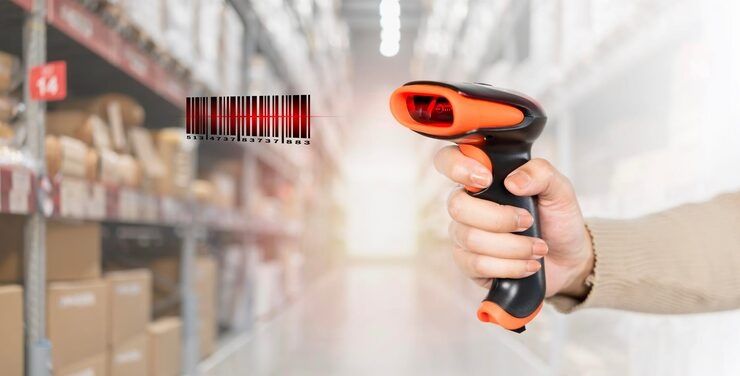
A barcode scanner functions by using a light source, a lens, and a sensor to read the reflected light from a printed barcode. The scanner converts the visual pattern of bars and spaces into digital data that can be processed by a computer or database.
Today, barcode scanning systems have evolved from simple laser-based models to sophisticated imaging scanners that can read codes from screens, curved surfaces, and damaged labels. This evolution has made them indispensable for tracking inventory, verifying identities, and ensuring operational accuracy in data-driven environments.
Importance
Barcode scanners play a vital role in modern operations by automating data capture, reducing manual errors, and enhancing workflow efficiency. Their integration into digital systems has transformed how businesses and organizations manage information.
Key reasons barcode scanners matter today include:
-
Efficiency in Data Collection: Barcode scanners streamline input processes, enabling instant data transfer.
-
Accuracy in Inventory Management: Reduces human error and improves stock control in warehouses and retail.
-
Traceability and Security: Facilitates product tracking through supply chains, supporting transparency.
-
Healthcare Applications: Used for patient identification, medication tracking, and equipment management.
-
Manufacturing Quality Control: Monitors production components and ensures process consistency.
Industries worldwide rely on barcode scanners to improve productivity and compliance with global data handling standards. From hospitals to logistics hubs, the ability to quickly identify and verify items ensures efficiency and reliability across multiple sectors.
Recent Updates and Trends in Barcode Scanning Technology
Barcode scanning technology continues to evolve rapidly, driven by advancements in imaging, artificial intelligence, and wireless communication. Between 2023 and 2025, several major developments have shaped the barcode scanning landscape.
| Trend | Description |
|---|---|
| 2D Imaging Technology | Widespread adoption of 2D scanners capable of reading QR codes, DataMatrix, and PDF417 barcodes. |
| Integration with Mobile Devices | Smartphones and tablets are now used as scanners through specialized apps and camera APIs. |
| AI-Powered Decoding | Machine learning improves accuracy when scanning damaged or poorly printed barcodes. |
| Wireless and Cloud Connectivity | Modern scanners connect via Wi-Fi, Bluetooth, or IoT networks for real-time data sharing. |
| Augmented Reality (AR) Integration | AR-based scanning tools help warehouse workers visualize data overlays for improved logistics. |
A 2024 report by Logistics Today highlighted that AI-enabled barcode scanners increased scanning accuracy by over 25%, especially in automated warehouse systems. Additionally, the trend toward mobile scanning is transforming small businesses, as smartphones can now perform industrial-grade barcode recognition using machine learning-based apps.
Laws, Standards, and Policies Governing Barcode Scanning
Barcode scanning systems operate within several international standards and regulatory frameworks to ensure interoperability, safety, and accuracy. These standards define barcode formats, labeling practices, and technical performance requirements for devices.
Important standards and policies include:
-
ISO/IEC 15416 & 15426: Define barcode print quality testing and scanner verification methods.
-
GS1 Standards: Global organization that governs barcode numbering (GTIN, UPC, EAN) for trade and supply chain use.
-
FDA UDI (Unique Device Identification): Requires medical devices in the United States to have traceable barcodes.
-
EU Falsified Medicines Directive (FMD): Mandates barcode serialization for pharmaceutical packaging across Europe.
-
Occupational Safety and Health Guidelines: Outline ergonomic standards for handheld scanner usage to prevent repetitive strain injuries.
These frameworks ensure that barcode systems are compatible across global industries, enhancing safety and transparency in trade and healthcare.
Tools and Resources for Barcode Scanning Professionals
Professionals working with barcode technology can use specialized software, databases, and online resources to enhance performance, system design, and compliance.
Barcode Design and Testing Tools:
-
Zebra Designer and Bartender Software: Create and manage barcode labels compatible with international standards.
-
Online Barcode Generator (GS1): Allows users to generate compliant barcodes for testing or educational use.
-
Barcode Scanner Testing Tool (Honeywell & Datalogic): Simulates real-time scanning conditions for validation.
Data and Integration Tools:
-
Scanbot SDK and Scandit SDK: Enable barcode scanning capabilities on mobile platforms and custom applications.
-
Google ML Kit Barcode API: Uses AI for real-time decoding through smartphone cameras.
-
ERP and WMS Integrations: Software like SAP, Oracle, and Microsoft Dynamics natively support barcode input for logistics and manufacturing workflows.
Educational and Regulatory Resources:
-
GS1 Learning Zone: Offers training on barcode standards and global compliance.
-
ISO Technical Committee 122: Provides updates on international barcode equipment standards.
-
IEEE Spectrum Reports: Covers emerging innovations in optical scanning and AI vision systems.
These tools empower engineers, developers, and logistics specialists to design efficient scanning systems while staying compliant with industry regulations.
Frequently Asked Questions
What are the main types of barcode scanners?
Barcode scanners are categorized into laser scanners, CCD scanners, 2D imaging scanners, and omnidirectional scanners. Laser models use beams to read 1D codes, while imaging scanners capture optical patterns suitable for both 1D and 2D codes.
How does a barcode scanner work?
A scanner projects light onto a barcode and measures the reflected light intensity. The sensor translates this data into an electrical signal, which software decodes into digital information representing product or identification data.
What is the difference between 1D and 2D barcodes?
1D barcodes, like UPC or EAN, store data horizontally using lines and spaces. 2D barcodes, such as QR codes, encode data in both horizontal and vertical dimensions, allowing them to hold more information and be scanned from multiple angles.
Can barcode scanners read codes on screens?
Yes, modern imaging scanners and camera-based scanners can read barcodes displayed on digital screens, such as smartphones or tablets, making them useful for e-tickets and mobile payments.
What are the latest trends in barcode scanning technology?
Recent innovations include AI-powered recognition, cloud-based data management, augmented reality overlays, and mobile integration, improving speed and flexibility across industries.
Conclusion
Barcode scanners are a cornerstone of modern data management, enabling automation, traceability, and efficiency across multiple industries. From supermarkets and hospitals to global logistics networks, barcode scanning continues to redefine how information is captured and shared.
With emerging technologies like AI, IoT, and mobile integration, barcode systems are becoming smarter, faster, and more adaptable. These innovations ensure better accuracy, reduced errors, and improved operational control in sectors that rely on precise data flow.
Understanding barcode technology—its working principles, applications, and global standards—helps professionals adopt efficient systems that align with modern digital infrastructure. As industries embrace automation and data analytics, barcode scanners will remain a key element in achieving operational excellence.