Wire preparation is an essential step in electrical manufacturing, cable assembly, automotive production, electronics, telecommunications, and many other industries.
Before wires can be connected, crimped, soldered, or terminated, a portion of the insulation must often be removed without damaging the conductor underneath. This process is made faster, more accurate, and more consistent through the use of a wire stripping machine.
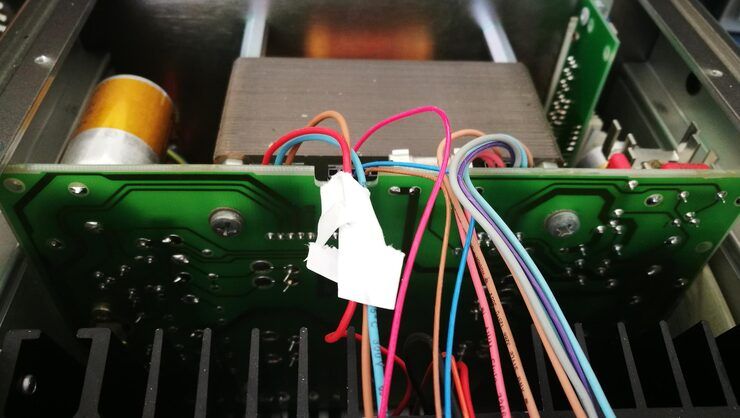
Modern wire stripping machines are designed to handle a wide variety of wire sizes, insulation materials, and production requirements. From compact manual units used for small-scale work to fully automated systems integrated into production lines, these machines help improve efficiency while supporting consistent cable preparation. As manufacturing becomes increasingly automated, wire stripping equipment has also evolved to deliver greater precision, repeatability, and ease of operation.
This guide explains the basics of wire stripping machines, how they work, their major components, common types, applications, benefits, maintenance considerations, and emerging trends in cable preparation equipment.
What Is a Wire Stripping Machine?
A wire stripping machine is a specialized piece of equipment that removes the outer insulation from electrical wires or cables while leaving the internal conductor intact. The exposed conductor can then be prepared for connectors, terminals, soldering, or other electrical assembly processes.
Unlike basic cutting tools that may accidentally nick or weaken the conductor, properly adjusted wire stripping machines are designed to remove insulation with precision. This helps maintain conductor integrity and supports reliable electrical performance.
Depending on the model, these machines can process:
- Single-core wires
- Multi-core cables
- Flexible wires
- Solid conductors
- Shielded cables
- Various insulation materials
Some equipment is intended for occasional workshop use, while larger automated systems are built for continuous industrial production.
Why Wire Stripping Is Important
Accurate insulation removal plays a significant role in producing dependable electrical connections.
Proper wire stripping helps support:
- Consistent electrical conductivity
- Reliable connector installation
- Reduced conductor damage
- Improved manufacturing efficiency
- Better product quality
- Cleaner cable preparation
- Higher production consistency
Poor stripping quality can affect the performance of electrical assemblies, making precision an important part of cable preparation.
How a Wire Stripping Machine Works
Although machine designs vary, most wire stripping equipment follows a similar operating process.
First, the wire is fed into the machine through guides that position it according to the desired stripping length.
Next, precision blades lightly score or cut only the insulation layer without penetrating the conductor underneath. Once the insulation has been separated, the machine pulls or slides the insulation away, exposing the required section of wire.
Some advanced machines perform multiple operations during a single cycle, including:
- Wire feeding
- Measuring
- Cutting
- Stripping
- Twisting conductor strands
- Sorting finished wires
This automation helps improve productivity while maintaining consistent processing quality.
Main Components of a Wire Stripping Machine
Understanding the major components provides insight into how cable preparation equipment operates.
Feeding System
The feeding mechanism moves the wire into the correct position while maintaining alignment throughout the stripping process.
Stripping Blades
Precision-engineered blades remove insulation cleanly while minimizing the risk of conductor damage. Blade design varies depending on wire type and insulation material.
Clamping Mechanism
Clamps securely hold the wire during processing, helping improve stripping accuracy and consistency.
Control System
Modern machines often include programmable control panels that allow operators to adjust wire length, stripping depth, operating speed, and processing sequences.
Drive System
Electric motors, pneumatic systems, or mechanical drives provide the force required for cutting, feeding, and insulation removal.
Types of Wire Stripping Machines
Different industries require different levels of production capacity and automation.
| Machine Type | General Characteristics | Typical Applications |
|---|---|---|
| Manual | Operator-controlled stripping | Small workshops, repairs, maintenance |
| Semi-Automatic | Assisted operation with adjustable settings | Medium-volume production |
| Automatic | Computer-controlled processing | High-volume manufacturing |
| Multi-Function | Combines cutting, stripping, and measuring | Cable assembly production lines |
Selecting the appropriate machine depends on production volume, cable specifications, and required processing accuracy.
Applications Across Multiple Industries
Wire stripping machines are used wherever electrical wiring and cable assemblies are manufactured or maintained.
Common industries include:
- Automotive manufacturing
- Electronics production
- Telecommunications
- Industrial automation
- Aerospace manufacturing
- Renewable energy systems
- Consumer appliance manufacturing
- Electrical panel assembly
- Railway infrastructure
- Medical equipment manufacturing
Each industry may require different stripping lengths, insulation types, conductor materials, and production speeds.
Advantages of Modern Wire Stripping Machines
Advances in engineering have made today's wire stripping equipment more efficient and adaptable than earlier designs.
Improved Precision
Accurate blade positioning helps produce consistent stripping lengths across thousands of processing cycles.
Higher Productivity
Automated processing reduces repetitive manual work and supports faster cable preparation in manufacturing environments.
Reduced Material Waste
Accurate insulation removal minimizes damaged conductors and helps reduce unnecessary waste during production.
Consistent Quality
Machine-controlled settings improve repeatability, especially when processing large batches of identical wires.
Flexible Processing
Many modern machines accommodate multiple wire sizes and insulation materials with simple parameter adjustments.
Factors That Influence Stripping Performance
Several variables affect the quality of insulation removal.
These include:
- Wire diameter
- Conductor material
- Insulation thickness
- Insulation hardness
- Blade sharpness
- Machine calibration
- Feed speed
- Clamping pressure
Understanding these factors helps operators optimize machine settings for different cable types while maintaining consistent quality.
Routine Maintenance for Reliable Performance
Like most industrial equipment, wire stripping machines perform best with regular maintenance.
Common maintenance activities include:
- Cleaning debris from moving parts
- Inspecting blades for wear
- Checking machine alignment
- Lubricating mechanical components where appropriate
- Verifying calibration settings
- Inspecting electrical connections
- Replacing worn components when necessary
Routine maintenance helps maintain processing accuracy while reducing unexpected downtime.
Safety Considerations
Safe operation is an essential part of working with cable preparation equipment.
Recommended practices include:
- Following operating instructions
- Keeping protective guards in place
- Inspecting blades before operation
- Disconnecting power before maintenance
- Wearing appropriate personal protective equipment
- Keeping workspaces clean and organized
- Providing proper operator training
Good safety practices help protect both equipment and operators during daily production.
Emerging Trends in Cable Preparation Equipment
Manufacturing technology continues to influence the development of wire stripping machines.
Current trends include:
- Smart touchscreen interfaces
- Automatic wire recognition
- Digital parameter storage
- Advanced blade materials
- Integration with robotic automation
- Production data monitoring
- Compact machine designs
- Energy-efficient operation
- Predictive maintenance capabilities
These innovations support greater manufacturing flexibility while improving consistency across production processes.
Common Challenges During Wire Stripping
Even advanced machines require proper setup and maintenance to deliver reliable results.
Potential challenges include:
Incorrect Machine Settings
Improper stripping depth or length can affect conductor quality and finished cable performance.
Blade Wear
Dull or damaged blades may reduce stripping accuracy and increase the likelihood of insulation defects.
Material Variations
Different insulation materials require different processing parameters to achieve clean stripping results.
Wire Positioning Errors
Improper alignment may result in inconsistent stripping lengths or incomplete insulation removal.
Regular inspection, calibration, and operator training help minimize these challenges.
Choosing the Right Wire Stripping Machine
When evaluating wire stripping equipment, several factors should be considered:
- Types of wires being processed
- Required production volume
- Range of wire sizes
- Desired automation level
- Available workspace
- Ease of maintenance
- Control features
- Future production requirements
Matching equipment capabilities with production needs helps improve long-term operational efficiency.
Frequently Asked Questions
What is a wire stripping machine used for?
A wire stripping machine removes insulation from electrical wires while preserving the conductor for electrical connection, crimping, soldering, or assembly.
Can wire stripping machines process different wire sizes?
Yes. Many modern machines feature adjustable settings that accommodate multiple wire diameters, insulation thicknesses, and conductor types.
Which industries commonly use wire stripping machines?
Automotive manufacturing, electronics, telecommunications, industrial automation, aerospace, renewable energy, appliance manufacturing, and electrical assembly industries all commonly use cable preparation equipment.
Are automatic wire stripping machines more efficient than manual machines?
Automatic machines generally improve consistency and productivity for larger production environments, while manual machines remain useful for maintenance work, repairs, and lower production volumes.
Why is accurate wire stripping important?
Accurate wire stripping protects conductor integrity, supports reliable electrical connections, improves assembly quality, and helps reduce material waste during manufacturing.
Conclusion
Wire stripping machines play a vital role in modern cable preparation by removing insulation accurately while protecting the conductor beneath. Whether used in electronics manufacturing, automotive production, industrial automation, telecommunications, or renewable energy applications, these machines contribute to efficient, repeatable, and high-quality wire processing.
Understanding the operating principles, machine types, key components, maintenance requirements, and industry applications provides valuable insight into how cable preparation equipment supports today's manufacturing environments. As automation, digital controls, and smart production technologies continue to advance, wire stripping machines are expected to become even more precise, adaptable, and efficient, helping manufacturers meet evolving quality standards and production demands.