Amazon River cruises provide an opportunity to explore one of the world's most remarkable natural regions while traveling through the waterways of South America.
The Amazon River and its extensive network of tributaries pass through vast rainforests, wetlands, remote settlements, and protected natural areas. Cruises allow travelers to experience these landscapes from the water while learning about the region's wildlife, ecology, and local cultures.
Amazon cruises are available in several countries, particularly Brazil and Peru, with additional river expeditions in Ecuador's Amazon basin. Each destination provides a different experience. Brazilian itineraries may include Manaus, the Meeting of the Waters, and sections of the Rio Negro, while Peruvian expeditions often explore tributaries near Iquitos and protected rainforest reserves.
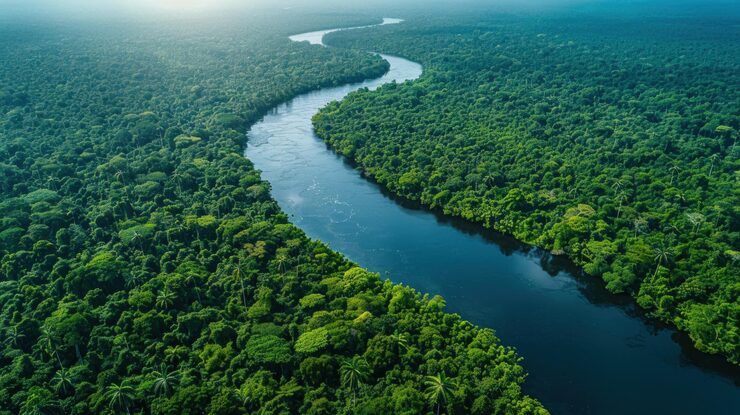
Unlike conventional ocean cruises, many Amazon journeys use smaller vessels designed to navigate narrow waterways and reach locations inaccessible to larger ships. Some boats offer comfortable cabins, restaurants, observation decks, and guided excursions. Others provide a more basic experience focused on nature exploration.
Depending on the itinerary, travelers may participate in wildlife observation, canoe excursions, guided rainforest walks, birdwatching, fishing demonstrations, and visits to riverside communities. The Amazon's changing water levels also influence which routes are accessible and which activities are possible.
Importance
Amazon River cruises combine nature tourism, environmental education, and cultural discovery. They provide a way to explore remote landscapes while learning about the ecological importance of the world's largest tropical rainforest system.
1. Opportunities for wildlife observation
The Amazon basin supports an extraordinary variety of animals, including monkeys, sloths, caimans, macaws, toucans, and freshwater dolphins. Guided excursions can improve the chances of spotting wildlife in suitable habitats. Sightings are never guaranteed, however, because animals move freely through the forest and river system.
2. Access to remote waterways
Smaller expedition vessels and motorized excursion boats can explore tributaries, flooded forests, and secluded lakes. These waterways often provide access to habitats that cannot be reached by larger passenger ships. The type of vessel used can therefore influence the overall experience.
3. Learning about rainforest ecosystems
Naturalist guides often explain how rainfall, river levels, vegetation, and wildlife interact. Travelers may learn about medicinal plants, forest regeneration, aquatic habitats, and the role of the Amazon in regional and global environmental systems.
4. Cultural understanding
Riverside communities have diverse histories, traditions, livelihoods, and relationships with the forest. Some itineraries include community visits, local markets, traditional music, or demonstrations of regional crafts. Responsible excursions should respect local customs, privacy, and community preferences.
5. Different levels of comfort
Amazon cruises range from relatively simple riverboats to upscale expedition vessels with private cabins and guided activities. Travelers can choose according to their comfort preferences, activity level, and available budget. A smaller boat may offer closer access to narrow waterways, while a larger vessel may provide additional onboard facilities.
6. Environmental awareness
The Amazon plays an important role in biodiversity, freshwater systems, and climate processes. Educational excursions can help visitors understand pressures such as deforestation, habitat loss, pollution, and climate change. Responsible travel practices can reduce some visitor impacts, although tourism alone cannot resolve the region's broader environmental challenges.
Recent Updates
Amazon cruise itineraries continue to evolve through new expedition schedules, changing river conditions, improvements in onboard facilities, and greater attention to conservation and community engagement.
Expansion of expedition-style itineraries
Travel companies continue to develop journeys that emphasize smaller vessels, guided wildlife observation, and exploration of remote tributaries. In March 2026, Hapag-Lloyd Cruises announced its Amazon expedition season, highlighting voyages between Belém in Brazil and Iquitos in Peru. Such itineraries demonstrate the scale and navigational complexity of some Amazon journeys. <Cite refs={["turn832822search8"]}/>
More interest in nature-focused travel
Wildlife observation and environmental learning remain important features of Amazon expeditions. Some itineraries include early-morning birdwatching, guided rainforest walks, canoe trips, and visits to protected areas. Activities vary according to the route, vessel, season, and local conditions. <Cite refs={["turn832822search7","turn832822search9"]}/>
Changing river levels and seasonal activities
Seasonal water levels strongly influence Amazon travel. Higher water levels can allow boats to enter flooded forests, while lower levels may reveal beaches and make certain walking excursions easier. Routes and wildlife opportunities therefore differ throughout the year. Travelers should check the expected conditions for their specific departure.
Greater emphasis on responsible tourism
Many nature-focused itineraries highlight environmental education, local guides, and respectful community visits. Travelers can support responsible practices by following wildlife-viewing instructions, avoiding litter, respecting cultural boundaries, and asking operators how excursions benefit local communities.
As of October 2026, routes, departure dates, cabin availability, and included activities vary by operator. Current itineraries should be confirmed directly before travel, especially when a journey depends on seasonal river conditions.
Laws or Policies
Amazon River cruises cross regions with different environmental, maritime, immigration, and public-health requirements. Travelers should confirm the rules that apply to their chosen itinerary and nationality.
Travel documents and immigration
International visitors may need a valid passport, an appropriate visa or travel authorization, and evidence of onward travel, depending on the countries visited. A cruise that crosses national borders can have different entry requirements from a domestic river journey. Requirements should be checked with official immigration authorities before departure.
Protected areas and wildlife regulations
The Amazon contains national parks, conservation areas, and other protected habitats. Rules may restrict access to certain locations, wildlife interactions, fishing, or the removal of natural materials. Travelers should follow guide instructions and avoid disturbing animals or damaging vegetation.
Environmental standards
Cruise operators may be subject to regulations governing vessel operations, waste disposal, fuel handling, and access to protected areas. Requirements differ by country and location. Travelers can ask operators about waste-management procedures and environmental practices when comparing itineraries.
Community visits and cultural respect
Visits to Indigenous and other local communities should follow local arrangements and applicable rules. Visitors should respect photography restrictions, seek permission before photographing individuals, and avoid entering private areas without authorization. Cultural practices and community preferences differ across the Amazon basin.
Health and travel precautions
Travelers should consult an appropriate healthcare professional about vaccinations, mosquito-borne illnesses, food and water safety, and other health considerations for their itinerary. Advice may differ according to the countries visited, activities planned, and individual circumstances. Travel insurance should be checked for medical treatment and emergency evacuation provisions.
Official government travel advisories and local authorities provide the most reliable guidance on current entry, health, and safety requirements.
Tools and Resources
The following resources can help travelers compare routes, prepare for the rainforest environment, and learn about Amazonian ecosystems.
1. Official tourism authorities
Tourism authorities in Brazil and Peru provide information about destinations, protected areas, transportation, and cultural attractions. These resources can help travelers understand regional differences before choosing an itinerary.
2. Cruise operator itineraries
Operator documentation explains vessel facilities, cabin arrangements, excursion schedules, meal arrangements, accessibility, and seasonal activities. Travelers should check precisely what is included and whether activities depend on weather or river conditions.
3. National park and conservation information
Official protected-area resources can explain access restrictions, conservation goals, and visitor guidelines. These details are particularly useful when an itinerary includes rainforest reserves or wildlife habitats.
4. Weather and river-condition information
Weather forecasts and regional river reports help travelers prepare for rain, humidity, heat, and changing water levels. However, forecasts cannot guarantee the conditions that will occur during a particular excursion.
5. Travel health guidance
Recognized public-health organizations and qualified healthcare professionals can provide destination-specific advice about vaccinations, mosquito protection, food safety, and personal medical preparation.
6. Maps and navigation tools
Digital maps can help travelers understand distances between arrival airports, embarkation points, hotels, and cruise terminals. Remote areas may have limited connectivity, so it can be useful to prepare essential travel details before leaving major towns.
FAQs
1. What is an Amazon River cruise?
An Amazon River cruise is a guided journey along the Amazon River or its tributaries. Depending on the itinerary, travelers may explore rainforest waterways, observe wildlife, visit local communities, and learn about the region's ecology.
2. Where do Amazon River cruises usually begin?
Common departure hubs include Manaus in Brazil and Iquitos in Peru. Some itineraries begin in other cities or combine an Amazon expedition with a longer South American journey. The embarkation point depends on the operator and route.
3. What animals can travelers see on an Amazon cruise?
Possible sightings include pink river dolphins, monkeys, sloths, caimans, macaws, parrots, toucans, and numerous other birds. Species vary by habitat and season, and sightings cannot be guaranteed.
4. When is the best time to take an Amazon River cruise?
There is no single best season for every itinerary. Higher-water periods can provide access to flooded forests, while lower-water periods may reveal river beaches and create different walking opportunities. The ideal timing depends on the country, river system, and activities desired.
5. How long do Amazon River cruises last?
Short journeys may last around three or four days, while more extensive expeditions can run for a week or longer. Some large-ship itineraries include the Amazon as one section of a much longer South American or Caribbean voyage.
6. What should travelers pack for an Amazon cruise?
Useful items include lightweight clothing, a rain jacket, comfortable walking shoes, sun protection, insect repellent, binoculars, and a refillable water bottle where appropriate. Travelers should follow the operator's packing guidance and any restrictions on equipment.
7. Are Amazon River cruises suitable for families?
Some itineraries are suitable for families, but minimum ages, excursion difficulty, cabin arrangements, and onboard facilities vary. Families should confirm eligibility requirements and assess whether young travelers can comfortably manage heat, humidity, insects, and early excursions.
8. Are Amazon River cruises environmentally responsible?
Their impact depends on vessel operations, waste handling, wildlife practices, and relationships with local communities. Travelers can look for operators that explain their environmental procedures, employ knowledgeable local guides, respect protected areas, and avoid harmful wildlife interactions.
Conclusion
Amazon River cruises offer an engaging way to discover the rainforest landscapes, wildlife, and cultures of South America. Whether traveling through Brazil's broad waterways or exploring smaller tributaries in Peru, visitors can experience a region shaped by seasonal flooding, remarkable biodiversity, and long-standing connections between communities and rivers.
Choosing the right cruise requires consideration of route, duration, vessel size, comfort, seasonal conditions, and excursion activities. Travelers should also review entry requirements, health precautions, and the operator's environmental practices before departure.