Skydiving above islands is an adventure activity that combines the excitement of freefall with panoramic views of coastlines, turquoise waters, coral reefs, sandy beaches, and green landscapes.
During a typical tandem skydive, a participant jumps from an aircraft attached to a qualified instructor and experiences freefall before the instructor deploys the parachute. The parachute descent then provides a slower opportunity to enjoy the scenery before landing.
Island destinations are particularly appealing for skydiving because their landscapes often include clear contrasts between land and ocean. Depending on the location, visibility, weather, and flight path, skydivers may see lagoons, offshore reefs, mountain ranges, small neighboring islands, and long stretches of coastline.
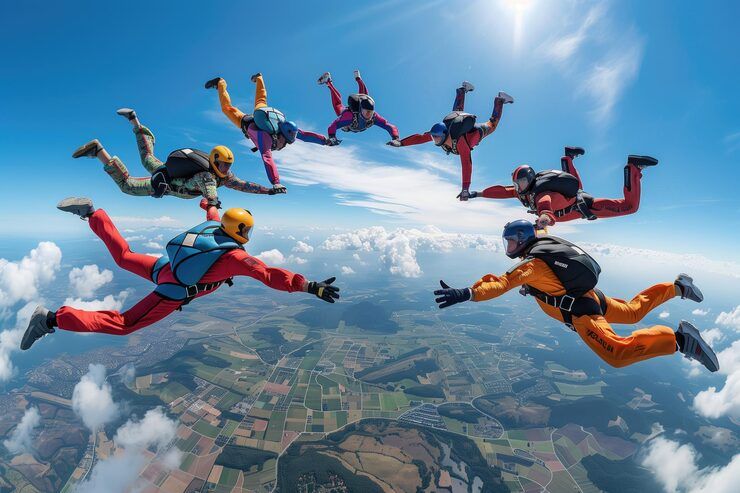
Popular island and coastal destinations for skydiving include Hawaii in the United States, the North Island of New Zealand, Australia's coastal regions, and selected locations around the Caribbean. Some operators provide views of beaches and ocean waters, while others offer dramatic combinations of mountains, farmland, and coastlines.
The exact experience varies by drop zone, aircraft altitude, wind conditions, cloud cover, and the permitted flight route. Not every island offers skydiving, and an advertised ocean view does not guarantee that every jump will have the same scenery. Travelers should investigate the operator, landing area, weather policies, and available jump options before planning a trip.
Importance
Skydiving above islands is attractive to adventure travelers because it combines a high-adrenaline activity with a distinctive aerial perspective. It can also introduce visitors to the geography of a destination in a way that is difficult to experience from the ground.
1. Exceptional aerial scenery
From an aircraft, island landscapes can reveal patterns that are less visible at ground level. Coral formations, coastal cliffs, winding shorelines, green valleys, and offshore islands may appear together in a single panoramic view. Scenic conditions depend on visibility and the aircraft's route.
2. A memorable adventure
For many participants, skydiving represents a personal milestone or a way to experience a new challenge. A tandem jump allows beginners to participate while an instructor manages the main technical aspects of the jump. Participants must still complete the required briefing, understand the risks, and follow all instructions.
3. Access to different landscapes
Island skydiving is not limited to tropical beaches. Some locations combine coastlines with mountains, volcanic terrain, forests, or agricultural landscapes. For example, New Zealand's coastal regions can offer dramatic landforms, while Hawaiian landscapes may include volcanic mountains and Pacific Ocean views.
4. Opportunities for photography
Many skydiving operators provide photographs or videos through approved equipment and procedures. These recordings can capture the aircraft departure, freefall, parachute descent, and landing. Availability, equipment rules, and recording packages vary by operator.
5. Combining adventure with island travel
Skydiving can form part of a broader island itinerary that includes snorkeling, hiking, boat trips, wildlife observation, or beach visits. Planning enough time around the jump is important because unfavorable weather may lead to delays or rescheduling.
Recent Updates
Skydiving experiences continue to develop through improvements in training, equipment, digital photography, and adventure-tourism planning. The most relevant developments for travelers involve operational safety, weather monitoring, and clearer information about what a jump includes.
Improved weather monitoring
Skydiving operations depend heavily on wind, cloud cover, visibility, and other atmospheric conditions. Operators use weather observations and aviation procedures to determine whether conditions are suitable. A scenic island jump may be postponed even when the weather appears pleasant at beach level, because conditions at altitude can be different.
Advances in photography and video
Compact cameras and improved digital recording systems have made it easier for operators to document tandem jumps. Professional skydiving camera operators must follow applicable safety procedures, and not every recording option is available on every jump. Travelers should confirm the recording arrangements before booking.
Greater emphasis on participant briefings
Safety briefings remain an essential part of tandem skydiving. Participants are typically instructed on body position, exit procedures, landing posture, and how to respond to their instructor. Operators may also ask about medical conditions, mobility limitations, or other factors relevant to safe participation.
More detailed adventure-travel planning
Travelers can increasingly compare operators through published information about training, qualifications, booking conditions, cancellation policies, and photography packages. Reviews may help identify customer experiences, but they should not replace checks of current credentials and operating standards.
As of October 2026, specific operator availability, certification requirements, weather restrictions, and package details vary by destination. Travelers should consult current information from the relevant aviation authority and the individual drop zone rather than assuming that the same rules apply worldwide.
Laws or Policies
Skydiving is regulated differently across countries and regions. Requirements can cover aircraft operations, parachuting activities, instructor qualifications, equipment inspections, participant eligibility, and emergency procedures.
Aviation and parachuting regulations
Operators must comply with the applicable aviation and parachuting framework in their jurisdiction. Travelers should look for an established operator that clearly explains its safety procedures, instructor qualifications, and operational approvals. The exact regulatory authority depends on the destination.
Participant age and eligibility
Minimum age requirements vary by country and operator. Some locations may require parental or guardian consent for eligible minors, while others impose stricter restrictions. Weight limits, fitness requirements, and medical declarations may also apply.
Medical considerations
Skydiving involves physical forces during aircraft exit, freefall, parachute deployment, and landing. Certain cardiovascular, respiratory, musculoskeletal, or other medical conditions may require professional assessment before participation. Pregnant individuals and people with recent injuries should seek appropriate medical advice and check the operator's restrictions.
Weather-related cancellations
Operators may postpone or cancel jumps when conditions do not meet their safety criteria. Travelers should read the cancellation, rescheduling, and refund terms before confirming a booking. Allowing an additional day or two in an island itinerary can reduce the impact of weather-related changes.
Travel insurance
Not every travel insurance policy covers skydiving or other high-risk adventure activities. Travelers should read policy exclusions and confirm whether medical treatment, emergency transport, and activity-related incidents are covered. Coverage conditions vary by insurer and destination.
For current requirements, consult the relevant national aviation authority and the operator's published safety documentation. An attractive location should never take priority over established operating standards.
Tools and Resources
The following resources can help travelers compare island skydiving destinations and prepare for a jump.
1. National aviation authorities
Official aviation authorities publish regulations and safety information relevant to aircraft operations and, where applicable, parachuting activities. Their guidance can help travelers understand the regulatory framework in the destination country.
2. Established skydiving operators
Operator websites provide information about jump altitudes, tandem options, participant eligibility, meeting points, weather policies, and available photography. Travelers should confirm these details directly before making plans.
3. Weather forecast applications
Reliable weather forecasts can help travelers monitor general conditions during their trip. However, a public forecast cannot replace an operator's on-site weather assessment or its decision about whether a jump can proceed.
4. Maps and navigation applications
Digital maps help travelers identify drop zones, nearby accommodation, airports, and ground transportation options. Island roads, ferry schedules, and transfer times can affect how easily visitors reach a skydiving location.
5. Travel insurance documentation
Reviewing insurance documents before departure helps clarify whether tandem skydiving is covered and what exclusions apply. Travelers should also understand the procedure for seeking medical assistance abroad.
6. Destination tourism authorities
Official tourism resources can provide information about regional attractions, seasonal conditions, transport, and other activities to combine with a skydiving experience.
FAQs
1. What is skydiving above islands?
It is a parachute jump conducted near or over an island or coastal landscape. Participants may see beaches, ocean waters, reefs, cliffs, or neighboring islands, depending on the drop zone, weather, and flight route.
2. Which destinations are popular for island skydiving?
Hawaii, selected coastal locations in Australia, and parts of New Zealand are known for scenic skydiving opportunities. Availability and scenery vary by operator, so travelers should confirm the actual jump location and advertised views.
3. Can beginners try skydiving above an island?
Many operators offer tandem skydiving for beginners. Participants are attached to a qualified instructor and receive a safety briefing before the jump. Eligibility requirements and medical restrictions still apply.
4. How long does a skydiving experience take?
The freefall portion generally lasts less time than the full activity. Including check-in, briefing, waiting, aircraft preparation, the jump, landing, and photographs, the visit can take several hours. Weather delays may extend the schedule.
5. Is skydiving above the ocean dangerous?
Skydiving carries inherent risks, including serious injury or death. Operating above or near the ocean can introduce additional considerations, such as landing-area limitations and recovery arrangements. Participants should choose a reputable operator, follow instructions, and understand the risks before jumping.
6. What should I wear for island skydiving?
Comfortable clothing and secure athletic footwear are commonly recommended. Loose accessories should be avoided, and long hair may need to be secured. Requirements differ by operator, so participants should follow the instructions provided before arrival.
7. Can I take my own camera during the jump?
Personal cameras and phones may be restricted because loose equipment can create safety hazards. Some operators provide photographs or video through approved arrangements. Participants should ask about recording options before the jump.
8. What happens if the weather is unsuitable?
The operator may delay, reschedule, or cancel the jump if conditions are unsafe. The available options depend on the operator's policy and booking terms. Travelers should allow schedule flexibility and understand the applicable refund or rescheduling conditions.
Conclusion
Skydiving above islands offers an unusual way to experience coastal landscapes, combining the excitement of freefall with expansive views of beaches, ocean waters, reefs, and neighboring islands. Whether the destination features tropical lagoons, volcanic mountains, or rugged coastlines, the experience can become a memorable part of an adventure-focused holiday.
Successful planning involves more than choosing a beautiful location. Travelers should compare established operators, verify relevant qualifications, understand participant requirements, review weather and cancellation policies, and confirm insurance coverage. Leaving flexibility in the itinerary is particularly helpful because island weather can change quickly