Button sewing machines are specialized textile machines designed to attach buttons securely to garments and other fabric products.
They are widely used in clothing factories, uniform production units, tailoring workshops, and large-scale garment manufacturing facilities. Unlike conventional sewing machines, which create long seams, button sewing machines are designed to stitch buttons onto fabric using specific stitch patterns that hold them firmly in place.
Buttons are important components of many garments, including shirts, trousers, jackets, coats, uniforms, dresses, and workwear. Their attachment requires accuracy, consistent stitch tension, and sufficient thread strength to withstand repeated opening, closing, washing, and everyday use. Manual button attachment can be time-consuming, particularly when a factory must process hundreds or thousands of garments in a single production run.
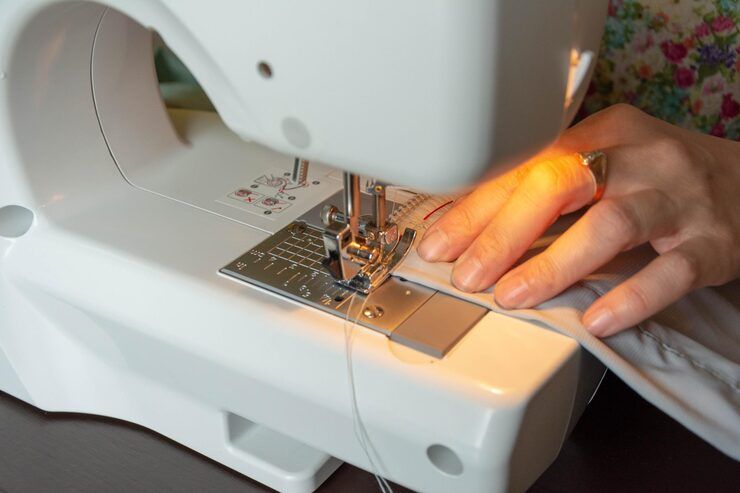
Modern button sewing machines help manufacturers improve stitching consistency, reduce repetitive manual work, and maintain uniform button placement. Depending on their design, these machines can attach flat buttons, shank buttons, and certain specialized fasteners. Some models operate through mechanical controls, while advanced versions use electronic systems to manage stitch patterns, sewing speed, and cycle settings.
Button sewing machines are available in industrial and compact formats. Industrial models are generally designed for continuous production, whereas smaller machines may be suitable for tailoring shops, sample rooms, and low-volume garment production.
Importance
Improving Production Efficiency
Attaching buttons manually requires repeated positioning, threading, and stitching. Industrial button sewing machines automate much of this repetitive process, allowing operators to complete button attachment more quickly and consistently. This is particularly important for garment manufacturers working with standardized designs and large production quantities.
Automated stitching also helps maintain a predictable production rhythm. When button attachment is integrated into a larger garment assembly line, it can reduce delays between sewing, finishing, inspection, and packaging.
Maintaining Stitching Quality
Button security is essential to garment durability. Loose buttons can detach during use, while excessively tight stitching may damage the fabric or restrict movement around the button. Button sewing machines help maintain consistent stitch formation and thread tension when correctly configured.
Many industrial models use programmed stitch patterns suited to different button designs. Operators can adjust settings according to the fabric thickness, button material, hole arrangement, and required attachment strength.
Supporting Different Garment Types
Different garments require different button attachment methods. Lightweight shirts may use small plastic buttons, while coats and jackets may require larger buttons or stronger stitching. Uniforms, denim products, children's clothing, and decorative garments can also have specific attachment requirements.
Selecting an appropriate machine helps manufacturers accommodate these variations. Some machines are designed primarily for two-hole and four-hole buttons, while others support particular shank-button designs or specialized fasteners.
Reducing Repetitive Manual Work
Button attachment involves repeated hand movements and precise positioning. Mechanized stitching reduces the amount of repetitive manual activity required from operators. However, workers still need to load buttons, position fabric, monitor machine performance, and inspect completed stitching.
Proper workstation design, operator training, and routine maintenance remain important for maintaining productivity and reducing the likelihood of fabric damage or stitching errors.
Recent Updates
Electronic Controls and Programmable Stitching
Electronic controls have become increasingly important in modern industrial sewing equipment. Depending on the model, operators may be able to select stitch patterns, regulate sewing speed, and configure the number of stitches used to attach a button.
Programmable controls can make production changes easier when manufacturers move between different garment designs. However, the available functions vary by machine, and not every electronic model includes advanced automation.
Energy-Efficient Motor Systems
Many contemporary industrial sewing machines use servo motors or other electronically controlled drive systems. These systems can regulate motor activity according to machine operation rather than relying on a continuously running conventional motor.
Potential benefits include reduced energy consumption during idle periods, improved speed control, and a quieter working environment. Actual energy performance depends on the machine design, operating conditions, and maintenance practices.
Automation in Garment Manufacturing
Garment manufacturers are increasingly exploring automation to improve consistency and coordinate production activities. Button sewing equipment may be integrated into specialized workstations or production systems that support repeatable fabric positioning and standardized stitching operations.
More advanced automation can reduce certain manual handling tasks, although its practicality depends on garment design, production volume, button variety, and the flexibility required by the factory.
Digital Maintenance and Quality Monitoring
Some modern textile production environments use digital production records, maintenance schedules, and inspection data to identify recurring equipment problems. When supported by the machine or surrounding factory systems, these records can help supervisors monitor downtime, thread breakage, and stitching defects.
As of 2026, the availability of these capabilities differs substantially across equipment categories and manufacturers. Buyers should verify the actual specifications of individual models rather than assuming that every machine includes connected monitoring or artificial intelligence features.
Laws or Policies
Machinery Safety Requirements
Button sewing machines contain moving needles, rotating components, belts, and other mechanisms that can create workplace hazards. Garment manufacturers should follow the machinery safety requirements applicable to their location and industry.
In India, businesses should review relevant factory safety requirements, applicable state rules, and occupational safety provisions. Requirements may differ according to the workplace, equipment configuration, and current legal framework.
Electrical Safety
Industrial sewing equipment should be installed according to applicable electrical safety standards. Proper earthing, suitable electrical connections, protective devices, and routine inspection can reduce the risk of electric shock, overheating, and equipment damage.
Installation and repairs involving electrical components should be handled by appropriately qualified personnel.
Worker Training and Machine Operation
Operators should receive training on machine controls, needle replacement, thread handling, safe startup procedures, emergency stopping, and routine cleaning. Protective guards should remain in place where required, and maintenance should follow the manufacturer's instructions.
Factories should also establish procedures for isolating electrical power before carrying out repairs or cleaning activities that expose workers to moving mechanisms.
Environmental and Waste Management Considerations
Textile manufacturing can generate thread waste, fabric scraps, packaging materials, and discarded machine components. Businesses should follow applicable waste-management rules and adopt practical methods for separating reusable materials from general waste.
For current compliance requirements, manufacturers should consult the relevant Indian government departments, state authorities, and official standards publications. Regulatory obligations can change, so the latest applicable provisions should be verified before purchasing or installing industrial equipment.
Tools and Resources
Industrial Button Sewing Machines
Industrial button sewing machines are designed for regular production environments. Depending on the configuration, they may support two-hole buttons, four-hole buttons, shank buttons, or other specified button types.
When comparing models, examine the supported button dimensions, maximum sewing speed, stitch-pattern options, fabric compatibility, needle system, and maintenance requirements. Confirm that the machine supports the intended garment designs.
Button Clamps and Positioning Attachments
Button clamps hold the button in the correct position during stitching. Their design affects button stability, positioning accuracy, and the range of button sizes a machine can accommodate.
Specialized clamps may be required for different button shapes or attachment methods. Confirm compatibility before selecting replacement attachments or accessories.
Needles, Threads, and Spare Parts
The correct needle and thread combination is essential for secure button attachment. Needle selection depends on fabric thickness, fabric structure, thread characteristics, and the machine manufacturer's recommendations.
Thread quality also affects stitch strength and appearance. Factories should maintain suitable supplies of needles, bobbins, thread guides, and other frequently replaced components to reduce production interruptions.
Maintenance and Inspection Equipment
Routine maintenance may require cleaning brushes, appropriate lubricants, adjustment tools, and inspection equipment. Operators should follow the manufacturer's guidance for cleaning the hook area, checking thread tension, inspecting needles, and identifying unusual noise or vibration.
A maintenance log can help record machine faults, replacement parts, repairs, and recurring quality problems.
Technical Documentation
Manufacturer manuals, parts catalogs, setup guides, and training materials are useful resources for machine installation and troubleshooting. Industrial sewing equipment manufacturers such as Juki, Brother, and Jack publish documentation for various product lines.
The exact capabilities, accessories, and maintenance procedures depend on the specific model. Technical documentation should always match the equipment being operated.
FAQs
1. What is a button sewing machine?
A button sewing machine is a specialized sewing machine designed to attach buttons to garments using a controlled stitch pattern. It helps maintain consistent button placement and secure attachment in garment production.
2. What types of buttons can these machines attach?
Depending on the model, a button sewing machine may attach two-hole buttons, four-hole buttons, shank buttons, and certain specialized fasteners. The machine's specifications determine which button types and dimensions it can accommodate.
3. How does a button sewing machine differ from a regular sewing machine?
A regular sewing machine is mainly used to join fabric pieces or create seams. A button sewing machine is specifically configured to attach buttons using defined stitch patterns and button-holding mechanisms.
4. Can button sewing machines handle different fabrics?
Many industrial models can work with a range of fabrics, but performance depends on fabric thickness, texture, button design, needle selection, and machine settings. Manufacturers should test the intended material before beginning full production.
5. Are automatic button sewing machines suitable for small workshops?
They can be suitable for small workshops when button attachment is frequent enough to justify specialized equipment. The appropriate choice depends on production volume, available workspace, operator skills, and the variety of garments being produced.
6. How often should a button sewing machine be maintained?
Maintenance frequency depends on operating hours, production conditions, and the manufacturer's recommendations. Daily cleaning and basic inspection are common practices in busy production environments, while lubrication and component replacement should follow the machine's maintenance schedule.
7. What factors should be considered when selecting a button sewing machine?
Important factors include button compatibility, sewing speed, stitch patterns, fabric requirements, ease of adjustment, operator safety, spare-parts availability, energy use, and technical support. Production volume and long-term maintenance requirements should also influence the decision.
8. Can button sewing machines improve garment quality?
Yes. When correctly configured and maintained, these machines can produce consistent stitch patterns and button placement. Quality still depends on appropriate thread selection, fabric handling, operator training, and inspection procedures.
Conclusion
Button sewing machines are important pieces of equipment in modern garment manufacturing. They support accurate button placement, consistent stitching, and efficient production across clothing categories such as shirts, trousers, jackets, uniforms, and outerwear.
Developments in electronic controls, servo motors, and production monitoring are expanding the capabilities available in industrial sewing environments. Nevertheless, selecting suitable equipment requires careful attention to button types, fabric characteristics, production volume, safety, and maintenance needs.