
CNC machines have transformed modern manufacturing by bringing unmatched precision, speed, and consistency. From small components to complex industrial parts, these machines play a key role in shaping today’s production systems.
Precision manufacturing is all about accuracy and repeatability. Industries rely on CNC (Computer Numerical Control) machines to produce parts with exact measurements, reducing errors and improving efficiency.
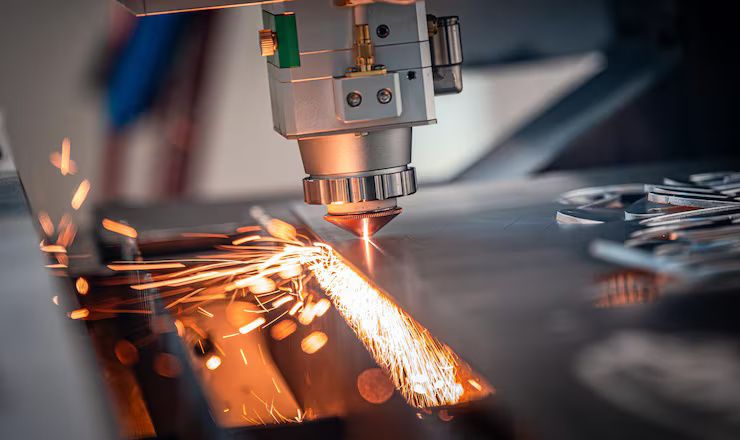
In this guide, we’ll explore how CNC machines work, the technologies behind them, and their importance in industrial applications.
What Are CNC Machines?
CNC machines are automated tools controlled by computer programs. Instead of manual operation, these machines follow pre-defined instructions to cut, shape, and form materials with high precision.
They are widely used in industries where accuracy is critical, such as aerospace, automotive, and electronics.
To perform effectively, CNC machines rely on:
- Computer-controlled programming
- High-precision cutting tools
- Stable and repeatable operations
- Ability to handle complex designs
These features make CNC machines essential in modern manufacturing.
How CNC Machines Work
CNC machines operate based on programmed instructions known as G-code. This code tells the machine how to move, cut, and shape the material.
The process starts with a digital design, which is converted into machine instructions. The machine then follows these instructions step by step to produce the final part.
This automated process ensures consistent results and reduces the chances of human error.
Types of CNC Machines
Different types of CNC machines are used depending on the application and material.
1. CNC Milling Machines
These machines use rotating cutting tools to remove material from a workpiece. They are commonly used for shaping complex parts.
2. CNC Lathes
CNC lathes rotate the workpiece while cutting tools shape it. They are ideal for cylindrical components.
3. CNC Laser Cutting Machines
Laser cutting machines use focused light beams to cut materials with high precision. They are widely used for detailed designs.
4. CNC Plasma Cutting Machines
Plasma cutting machines use high-temperature plasma to cut through conductive materials like metal.
Each type is designed for specific tasks, ensuring efficiency and accuracy.
Precision Manufacturing Explained
Precision manufacturing focuses on producing components with exact dimensions and tight tolerances. This is critical in industries where even small errors can affect performance.
CNC machines play a major role in achieving this level of accuracy.
Key Features of Precision Manufacturing
- High accuracy and repeatability
- Consistent product quality
- Ability to handle complex geometries
- Reduced material waste
These features help industries maintain high standards in production.
Technologies Used in CNC Machining
Modern CNC machining relies on advanced technologies to improve performance and efficiency.
Computer-Aided Design (CAD)
CAD software is used to create detailed designs of components. These designs serve as the foundation for CNC programming.
Computer-Aided Manufacturing (CAM)
CAM software converts designs into machine instructions. It ensures that the machine follows the correct path during operation.
Automation and Robotics
Automation allows CNC machines to operate with minimal human intervention. Robotics can be used for loading, unloading, and handling materials.
These technologies work together to create efficient and accurate manufacturing systems.
Industrial Applications of CNC Machines
CNC machines are used across a wide range of industries due to their versatility and precision.
Aerospace Industry
CNC machining is used to produce critical components that require high accuracy and reliability.
Automotive Industry
Vehicles rely on CNC-machined parts for engines, transmissions, and structural components.
Electronics Industry
Small and precise components used in electronic devices are often manufactured using CNC machines.
Medical Equipment
CNC machines are used to create medical devices and instruments that require exact specifications.
These applications highlight the importance of CNC technology in modern industries.
Advantages of CNC Machines
CNC machines offer several benefits that make them essential in precision manufacturing.
They improve productivity while maintaining consistent quality.
Key Advantages
- High precision and accuracy
- Consistent production results
- Reduced human error
- Efficient use of materials
These advantages help industries achieve better performance and reliability.
Challenges in CNC Manufacturing
Despite their benefits, CNC machines come with certain challenges.
One challenge is the need for skilled programming and operation. Proper setup is essential for achieving accurate results.
Another challenge is maintaining machines and ensuring they operate efficiently over time.
Initial setup and programming can also require time and expertise.
Future Trends in CNC Machining
CNC technology continues to evolve with advancements in digital systems and automation.
Emerging Trends
- Integration with smart manufacturing systems
- Increased use of automation and robotics
- Advanced software for better design and control
- Improved energy efficiency
These trends are shaping the future of precision manufacturing.
Practical Example of CNC Machining
Consider a company producing engine components. CNC machines are used to cut and shape metal parts with high accuracy.
Each part must meet strict specifications to ensure proper performance. CNC machines make it possible to produce these parts consistently.
This example shows how CNC technology supports modern manufacturing.
Tips for Understanding CNC Machines
If you are new to CNC machining, start by learning the basics of how machines operate and how designs are created.
Understanding the relationship between design, programming, and machining can help you grasp the process more easily.
Observing real-world applications can also provide valuable insights.
Conclusion
CNC machines are a cornerstone of modern manufacturing. They combine automation, precision, and advanced technology to produce high-quality components.
From simple parts to complex designs, CNC machining supports industries that require accuracy and reliability. As technology continues to advance, CNC machines will play an even greater role in shaping the future of manufacturing.
Understanding their functions, technologies, and applications provides a clear view of how precision manufacturing drives industrial progress.