
As the world seeks cleaner alternatives to fossil fuels, green hydrogen has emerged as one of the most promising energy solutions. Governments, energy companies, and industrial organizations are investing heavily in hydrogen technologies to reduce carbon emissions and support long-term sustainability goals.
At the center of this transition are green hydrogen plants, specialized facilities that produce hydrogen using renewable energy sources. Unlike conventional hydrogen production methods that may generate significant emissions, green hydrogen production focuses on clean energy and environmentally responsible processes.
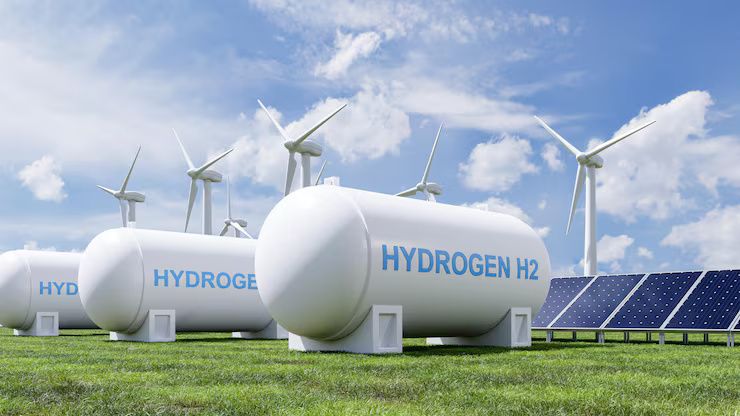
This guide explores how green hydrogen plants operate, the technologies involved, and the industries that are increasingly adopting this innovative energy source.
What Are Green Hydrogen Plants?
Green hydrogen plants are industrial facilities that produce hydrogen through a process called electrolysis. This method uses electricity generated from renewable energy sources such as solar, wind, or hydropower to split water into hydrogen and oxygen.
Because renewable electricity powers the process, green hydrogen production generates minimal environmental impact compared to traditional hydrogen manufacturing methods.
These facilities typically include several key components:
- Renewable energy systems
- Electrolyzers
- Water treatment units
- Hydrogen storage infrastructure
- Distribution and transport systems
Together, these components create an integrated system capable of producing clean hydrogen for various applications.
Why Green Hydrogen Is Gaining Global Attention
The demand for sustainable energy solutions continues to grow as industries work toward reducing environmental impacts and improving energy efficiency.
Green hydrogen is attracting attention because it can support decarbonization efforts across sectors that are difficult to electrify directly. It can also serve as an energy carrier, allowing renewable energy to be stored and transported when needed.
Several factors are driving investment in green hydrogen technologies:
- Expansion of renewable energy capacity
- Growing sustainability initiatives
- Industrial decarbonization efforts
- Long-term energy security goals
As energy systems evolve, green hydrogen is expected to become an important part of future energy strategies.
How Green Hydrogen Production Works
The production process is based on electrolysis, a technology that separates water into its elemental components using electricity.
Water Preparation
The process begins with water treatment. The water must be purified before entering the electrolysis system to ensure efficient operation and equipment reliability.
High-quality water helps improve performance and supports consistent hydrogen production.
Electrolysis Process
Inside the electrolyzer, electrical energy is applied to water molecules.
This process separates water into:
- Hydrogen
- Oxygen
The hydrogen is collected for storage or industrial use, while oxygen may be utilized in other industrial processes depending on facility design.
Hydrogen Storage
After production, hydrogen is stored in specially designed systems that maintain safety and operational efficiency.
Storage solutions vary depending on production capacity, transportation requirements, and end-use applications.
Distribution and Utilization
The final stage involves transporting hydrogen to industrial users, energy facilities, or other application sites.
Efficient distribution networks are essential for supporting large-scale hydrogen adoption.
Key Technologies Used in Green Hydrogen Plants
Modern green hydrogen facilities rely on advanced technologies that improve efficiency and production reliability.
Electrolyzer Systems
Electrolyzers are the core technology within a green hydrogen plant.
These systems convert electrical energy into chemical energy by splitting water molecules into hydrogen and oxygen.
Different electrolyzer technologies are available, each offering unique operational advantages.
Renewable Energy Integration
Green hydrogen plants are closely linked with renewable power generation systems.
Solar farms, wind projects, and hydroelectric facilities commonly provide the electricity required for hydrogen production.
This integration helps ensure that hydrogen remains a low-emission energy source.
Digital Monitoring Systems
Advanced monitoring technologies allow operators to track production performance and system conditions in real time.
These systems help optimize efficiency while supporting safe and reliable operation.
Hydrogen Storage Technologies
Storage infrastructure is a critical part of hydrogen production facilities.
Modern systems are designed to safely manage hydrogen while maintaining availability for industrial and energy applications.
Types of Electrolyzer Technologies
Several electrolyzer technologies are currently used in green hydrogen production.
Alkaline Electrolyzers
Alkaline systems are among the most established electrolysis technologies.
They are widely used because of their operational reliability and suitability for large-scale hydrogen production.
Proton Exchange Membrane Electrolyzers
These systems offer rapid response capabilities and are well suited for integration with renewable energy sources that experience varying power output.
Their flexibility makes them attractive for modern hydrogen projects.
Solid Oxide Electrolyzers
Solid oxide technologies operate at higher temperatures and may provide efficiency advantages in certain industrial environments.
Research and development efforts continue to advance these systems for future applications.
Industrial Applications of Green Hydrogen
Green hydrogen has the potential to support numerous industries seeking cleaner energy alternatives.
Chemical Manufacturing
The chemical industry uses hydrogen in various production processes.
Green hydrogen provides an opportunity to reduce emissions while maintaining industrial productivity.
Steel Production
Steel manufacturing is one of the sectors exploring hydrogen-based alternatives to traditional production methods.
Green hydrogen can help reduce dependence on carbon-intensive processes.
Energy Storage
Renewable energy production can fluctuate based on weather conditions.
Hydrogen enables excess renewable energy to be stored and utilized when demand increases, improving energy system flexibility.
Transportation and Mobility
Hydrogen technologies are being explored for transportation applications requiring high energy density and extended operating ranges.
These applications continue to attract interest as clean transportation initiatives expand.
Benefits of Green Hydrogen Plants
Green hydrogen offers several advantages that contribute to its growing role in the global energy transition.
Important benefits include:
- Reduced carbon emissions
- Renewable energy integration
- Energy storage capabilities
- Support for industrial sustainability initiatives
These advantages position green hydrogen as a valuable component of future clean energy systems.
Challenges Facing Green Hydrogen Development
Despite significant progress, several challenges remain as the industry continues to scale.
Production efficiency, infrastructure expansion, and large-scale deployment remain important areas of focus for developers and policymakers.
The availability of renewable electricity and specialized hydrogen infrastructure also influences project development timelines.
Addressing these challenges will be essential for supporting broader adoption of green hydrogen technologies.
Emerging Trends in Green Hydrogen Technology
The hydrogen sector continues to evolve through technological innovation and increased investment.
Several trends are shaping future development:
- Larger-scale hydrogen production facilities
- Improved electrolyzer efficiency
- Advanced hydrogen storage solutions
- Greater integration with renewable energy systems
These developments are helping accelerate the growth of the hydrogen economy worldwide.
As technologies mature, green hydrogen is expected to become increasingly competitive within the broader energy landscape.
Future of Green Hydrogen Plants
The future of green hydrogen plants appears promising as countries pursue ambitious clean energy goals. Continued advances in renewable power generation, electrolyzer technology, and infrastructure development are expected to strengthen the role of hydrogen in global energy systems.
Many experts view green hydrogen as a key enabler of industrial decarbonization and long-term energy resilience. Its ability to connect renewable energy production with industrial demand creates opportunities across multiple sectors.
As investment and innovation continue, green hydrogen plants are likely to become an increasingly important part of the world's clean energy transition.
Conclusion
Green hydrogen plants represent a major advancement in sustainable energy production. By using renewable electricity to produce hydrogen through electrolysis, these facilities provide a cleaner alternative to conventional hydrogen manufacturing methods.
From industrial processes and energy storage to transportation and infrastructure development, green hydrogen is creating new opportunities for reducing emissions and supporting sustainability objectives. As technology continues to advance, green hydrogen plants will play an increasingly significant role in building a cleaner and more resilient energy future.