
Modern manufacturing demands components that are lightweight, durable, and highly precise. Industries such as automotive, aerospace, construction, and industrial equipment increasingly rely on advanced forming technologies to produce complex metal parts while maintaining high quality standards. One of the most effective methods for achieving these goals is hydroforming.
Hydroforming machines use high-pressure fluid to shape metal into complex geometries without excessive mechanical force. This manufacturing process enables the production of strong, lightweight components with smooth surfaces and excellent dimensional accuracy.
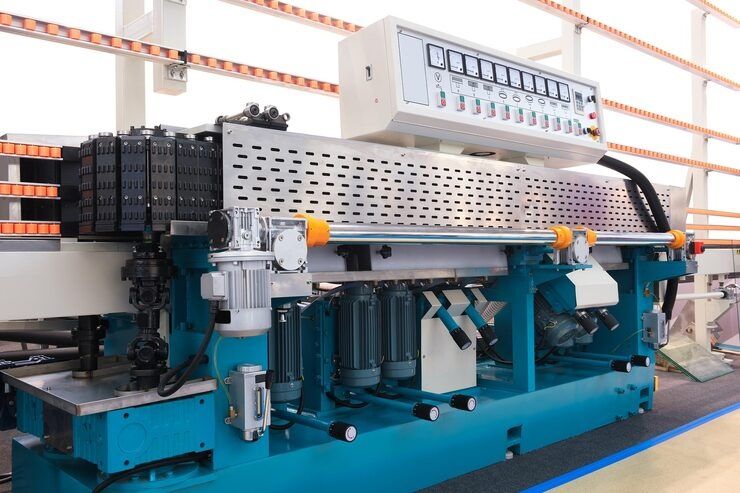
As production technologies continue to evolve, hydroforming has become an important solution for manufacturers seeking greater efficiency, material optimization, and improved product performance. This guide explains how hydroforming machines work, the different types available, and their industrial applications.
What Are Hydroforming Machines?
Hydroforming machines are industrial systems that use pressurized hydraulic fluid to shape metal into a desired form inside a specially designed die. Instead of relying entirely on mechanical pressure, these machines use fluid pressure to distribute force evenly across the workpiece.
The controlled pressure allows manufacturers to create complex shapes while reducing the risk of wrinkles, cracks, and material distortion.
A typical hydroforming system consists of several essential components:
- Hydraulic pressure system
- Forming die
- Clamping mechanism
- Fluid delivery system
- Digital control unit
These components work together to produce accurate and repeatable results throughout the manufacturing process.
Why Hydroforming Technology Is Important
Traditional metal forming methods can require multiple production stages to manufacture complex parts. Hydroforming simplifies this process by producing intricate shapes in fewer operations while maintaining excellent structural integrity.
The technology is particularly valuable because it allows manufacturers to reduce the number of welded joints and separate components within an assembly. This contributes to stronger finished products while improving production efficiency.
Some important advantages include:
- Excellent dimensional accuracy
- Lightweight component production
- Improved structural strength
- Efficient material utilization
These benefits have made hydroforming an important manufacturing technology across numerous industries.
Types of Hydroforming Machines
Different production requirements require different hydroforming systems. Machine selection depends on component design, material type, and manufacturing objectives.
1. Tube Hydroforming Machines
Tube hydroforming machines shape hollow metal tubes into complex forms using internal hydraulic pressure.
This process is widely used for producing structural components with high strength and reduced weight.
Typical applications include automotive frames, exhaust systems, and industrial piping.
2. Sheet Hydroforming Machines
Sheet hydroforming machines are designed to form flat metal sheets into detailed three-dimensional components.
These systems produce smooth surface finishes while maintaining excellent dimensional precision.
Sheet hydroforming is commonly used in aerospace panels, appliance components, and architectural products.
3. High-Pressure Hydroforming Machines
High-pressure systems generate extremely high hydraulic pressure to manufacture components with complex geometries and demanding performance requirements.
These machines are suitable for precision manufacturing applications where accuracy is essential.
4. Specialized Hydroforming Systems
Some manufacturing facilities use customized hydroforming machines developed for unique production requirements.
These systems are designed to accommodate specialized materials, larger components, or advanced industrial applications.
Working Principle of Hydroforming Machines
Hydroforming follows a carefully controlled manufacturing sequence that ensures precision and consistency throughout production.
Material Preparation
The process begins by selecting and preparing the metal workpiece.
The material is inspected for quality and positioned accurately inside the forming die before pressure is applied.
Die Positioning
The forming die is securely closed around the metal component.
Proper alignment is essential because the die determines the final shape and dimensions of the finished product.
Hydraulic Pressure Application
Pressurized fluid is introduced into the system, applying uniform force across the workpiece.
The controlled pressure gradually shapes the metal until it conforms to the internal surface of the die.
This even pressure distribution helps reduce defects while improving overall component quality.
Forming and Cooling
Once the desired shape has been achieved, the component remains under controlled conditions until the forming cycle is complete.
The hydraulic pressure is then released, allowing the finished part to retain its final dimensions.
Inspection and Finishing
After removal from the machine, the component undergoes inspection to verify dimensional accuracy and surface quality.
Depending on the application, additional finishing processes such as trimming, machining, or polishing may be performed.
Materials Used in Hydroforming
Hydroforming machines can process a wide variety of metals depending on the intended application.
Aluminum Alloys
Aluminum is widely used because of its lightweight characteristics and excellent corrosion resistance.
It is commonly selected for automotive, aerospace, and transportation components where reducing weight is important.
Stainless Steel
Stainless steel provides high strength, durability, and corrosion resistance.
These properties make it suitable for industrial equipment, food processing systems, and medical applications.
Carbon Steel
Carbon steel is frequently used for structural components requiring excellent mechanical strength.
Its versatility makes it a common material across many manufacturing industries.
High-Strength Alloys
Advanced alloys are often selected for demanding engineering applications that require exceptional performance under challenging operating conditions.
These materials support the production of specialized industrial components with enhanced durability.
Advanced Manufacturing Technologies
Modern hydroforming machines incorporate advanced technologies that improve efficiency, consistency, and production accuracy.
Automation and Robotics
Automation has significantly improved hydroforming operations by reducing manual intervention throughout production.
Robotic systems commonly assist with:
- Material loading
- Component handling
- Product inspection
- Production line movement
These technologies improve operational efficiency while maintaining consistent quality.
Digital Process Control
Computer-controlled systems continuously monitor critical manufacturing parameters.
Important variables include:
- Hydraulic pressure
- Forming speed
- Temperature
- Cycle timing
Real-time monitoring allows operators to maintain stable production conditions and improve process reliability.
Smart Manufacturing Integration
Industry 4.0 technologies are becoming increasingly common in hydroforming facilities.
Connected production systems collect operational data, monitor machine performance, and support predictive maintenance strategies that improve manufacturing efficiency.
Industrial Applications of Hydroforming Machines
Hydroforming technology is used across numerous industries where lightweight, durable, and precisely formed metal components are required.
Automotive Manufacturing
The automotive industry is one of the largest users of hydroforming technology.
Manufacturers produce structural frames, suspension components, engine parts, and exhaust systems using hydroforming to reduce vehicle weight while maintaining strength.
Aerospace Industry
Aircraft manufacturers require lightweight components that meet demanding engineering standards.
Hydroforming enables the production of complex aerospace parts with excellent dimensional accuracy and structural performance.
Industrial Equipment Manufacturing
Industrial machinery often includes hydroformed components because of their durability and efficient material utilization.
These parts contribute to reliable equipment performance in demanding operating environments.
Construction and Infrastructure
Hydroforming is also used to manufacture specialized structural components for construction projects and infrastructure systems where strength and precision are important.
Benefits of Hydroforming Machines
Hydroforming technology provides several important advantages that support modern manufacturing operations.
Some key benefits include:
- Precise component formation
- Reduced material waste
- Improved structural performance
- Efficient production processes
These advantages allow manufacturers to produce complex components while maintaining consistent quality standards.
Challenges in Hydroforming Operations
Although hydroforming offers many benefits, successful production requires careful process control.
Manufacturers must manage hydraulic pressure, material properties, die design, and equipment calibration to achieve consistent results.
Producing highly complex components may also require detailed engineering analysis to optimize forming conditions and prevent material defects.
Ongoing technological improvements continue to enhance process stability and manufacturing efficiency.
Future Trends in Hydroforming Technology
Hydroforming continues to evolve through advances in digital manufacturing, automation, and intelligent production systems.
Manufacturers are investing in artificial intelligence, simulation software, and real-time quality monitoring to improve production accuracy and reduce process variation.
Growing demand for lightweight vehicles, energy-efficient equipment, and sustainable manufacturing practices is expected to further increase the adoption of hydroforming technology across global industries.
As these innovations continue to develop, hydroforming machines will play an increasingly important role in precision metal manufacturing.
Conclusion
Hydroforming machines have become an essential part of advanced metal forming by enabling manufacturers to produce lightweight, durable, and highly accurate components. Through hydraulic forming technology, intelligent automation, and digital process control, these systems support efficient production across automotive, aerospace, industrial equipment, and construction industries.
As manufacturing technologies continue to advance, hydroforming will remain a valuable solution for producing complex metal components while improving material efficiency, structural performance, and overall production quality.