
As energy efficiency and environmental sustainability become increasingly important, heat pumps have emerged as one of the most effective technologies for maintaining comfortable indoor temperatures. Unlike conventional heating equipment that generates heat through combustion or electrical resistance, heat pumps transfer heat from one location to another, making them highly efficient for both heating and cooling.
Today, heat pumps are used in homes, commercial buildings, industrial facilities, and public infrastructure around the world. Their ability to provide year-round climate control while reducing energy consumption has made them a valuable part of modern building design and sustainable construction.
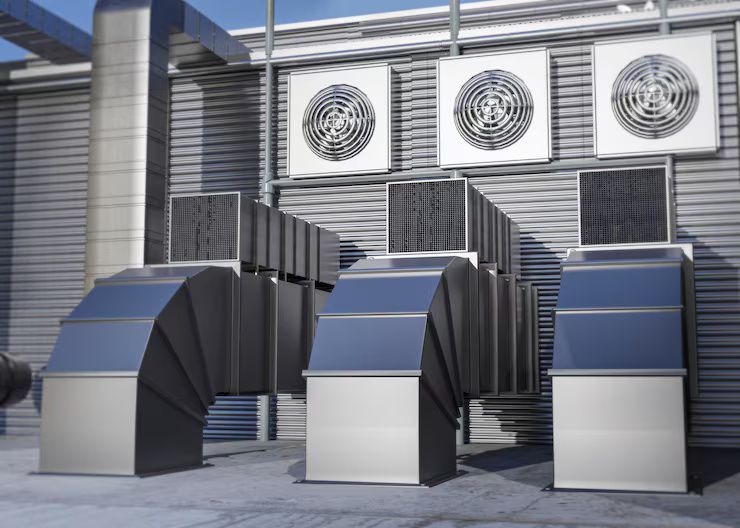
This guide explains how heat pumps work, the different types available, and their growing role in energy-efficient heating and cooling systems.
What Are Heat Pumps?
Heat pumps are heating and cooling systems that move heat instead of creating it directly. During colder months, they extract heat from outdoor air, the ground, or water and transfer it indoors. During warmer months, the process is reversed, allowing the system to remove heat from inside a building and release it outdoors.
This heat transfer process allows one system to perform both heating and cooling functions efficiently throughout the year.
A typical heat pump system includes several essential components:
- Compressor
- Heat exchanger coils
- Expansion valve
- Refrigerant circuit
- Indoor and outdoor units
These components work together to maintain comfortable indoor temperatures while optimizing energy use.
Why Heat Pump Technology Is Important
Energy efficiency has become a major priority for homeowners, businesses, and industries seeking long-term environmental and operational improvements.
Heat pumps provide an effective solution because they transfer existing heat rather than relying entirely on direct heat generation. This approach helps improve overall system efficiency while supporting more sustainable energy use.
Some important advantages include:
- Lower energy consumption
- Heating and cooling in one system
- Reduced environmental impact
- Consistent indoor comfort
These benefits continue to encourage the adoption of heat pump technology across a wide range of applications.
Types of Heat Pumps
Different environments require different heat pump systems. The appropriate choice depends on climate conditions, building design, and heating or cooling requirements.
1. Air Source Heat Pumps
Air source heat pumps extract heat from outdoor air, even during relatively cold weather.
They are among the most widely used systems because they are suitable for residential and commercial buildings in many climate regions.
These systems also provide cooling during warmer seasons by reversing the heat transfer process.
2. Ground Source Heat Pumps
Ground source systems, sometimes called geothermal heat pumps, obtain heat from the stable temperatures beneath the earth's surface.
Because underground temperatures remain relatively constant throughout the year, these systems provide reliable heating and cooling performance.
They are commonly used in buildings designed for long-term energy efficiency.
3. Water Source Heat Pumps
Water source heat pumps use nearby water bodies or specially designed water systems as their heat source.
These systems are often installed in commercial buildings, institutional facilities, and large residential developments where suitable water resources are available.
4. Hybrid Heat Pump Systems
Hybrid systems combine heat pump technology with additional heating equipment to improve performance under varying weather conditions.
This flexible approach helps maintain comfortable indoor temperatures while optimizing overall system efficiency.
How Heat Pumps Work
Although several heat pump designs exist, they all operate using the same basic heat transfer principle.
Heat Collection
The process begins by absorbing heat from the surrounding environment.
Depending on the system design, the heat may come from outdoor air, underground soil, or water.
Even in cool conditions, these natural sources contain usable thermal energy.
Refrigerant Circulation
A refrigerant circulates through the system, absorbing and transporting heat as it changes between liquid and gas states.
This continuous cycle allows heat to move efficiently between indoor and outdoor environments.
Heat Compression
The compressor increases the temperature of the refrigerant by raising its pressure.
The heated refrigerant then carries usable thermal energy to the indoor unit where warmth is transferred into the building.
Heat Distribution
Once indoors, the heat is distributed through air ducts, radiators, or underfloor heating systems depending on the building design.
During summer, the process reverses, allowing indoor heat to be removed and released outside.
Energy-Efficient Heating Technologies
Modern heat pumps incorporate advanced technologies that improve efficiency, reliability, and environmental performance.
Variable Speed Compressors
Many modern systems use variable speed compressors that automatically adjust output according to heating or cooling demand.
This helps maintain stable indoor temperatures while reducing unnecessary energy consumption.
Smart Temperature Controls
Digital control systems continuously monitor indoor conditions and optimize system performance.
These controls improve comfort while supporting more efficient operation throughout the day.
Advanced Refrigerants
Modern refrigerants are designed to improve heat transfer efficiency while reducing environmental impact.
Ongoing research continues to develop refrigerants with enhanced performance and lower emissions.
Cooling Systems in Heat Pumps
One of the greatest advantages of heat pumps is their ability to provide both heating and cooling using the same equipment.
During warm weather, the refrigeration cycle is reversed.
Heat is absorbed from inside the building and transferred outdoors, allowing indoor spaces to remain comfortable without requiring separate cooling equipment.
This dual functionality makes heat pumps suitable for year-round climate control in many regions.
Industrial and Commercial Applications
Heat pumps are now widely used across numerous industries due to their flexibility and energy efficiency.
Residential Buildings
Homes use heat pumps for space heating, cooling, and, in some cases, domestic hot water production.
Their ability to operate throughout the year makes them a practical solution for modern residential construction.
Commercial Facilities
Office buildings, shopping centers, educational institutions, and healthcare facilities often use large heat pump systems to maintain comfortable indoor environments while improving energy performance.
Industrial Manufacturing
Industrial facilities use heat pumps for temperature control, process heating, and energy recovery applications.
These systems help improve operational efficiency while supporting sustainable manufacturing practices.
Hospitality and Public Buildings
Hotels, recreational facilities, and public infrastructure also benefit from heat pump technology because of its ability to provide reliable climate control with improved energy efficiency.
Sustainable Applications
As countries focus on reducing energy consumption and environmental impact, heat pumps are becoming increasingly important in sustainable building design.
Their compatibility with renewable energy systems allows them to support environmentally responsible heating and cooling strategies.
Heat pumps are commonly integrated with:
- Solar energy systems
- Smart building technologies
- Energy-efficient construction
- Low-carbon infrastructure
These combinations contribute to more sustainable building operations over the long term.
Benefits of Heat Pumps
Heat pumps provide several advantages that support both residential and industrial applications.
Some key benefits include:
- High energy efficiency
- Year-round heating and cooling
- Improved indoor comfort
- Reduced environmental footprint
These characteristics have made heat pumps one of the fastest-growing climate control technologies worldwide.
Challenges in Heat Pump Installation
Although heat pumps provide many advantages, selecting the appropriate system requires careful planning.
Factors such as climate conditions, building insulation, equipment sizing, and installation quality all influence long-term performance.
Regular maintenance also helps maintain efficient operation and extends system lifespan.
With proper design and installation, heat pumps can provide reliable performance across a wide range of operating environments.
Future Trends in Heat Pump Technology
The future of heat pump technology is closely connected with advances in smart energy management, digital controls, and sustainable building design.
Manufacturers are developing more efficient compressors, environmentally friendly refrigerants, and intelligent control systems capable of optimizing performance automatically.
The growing adoption of renewable energy, smart homes, and energy-efficient buildings is expected to further increase demand for advanced heat pump systems.
As these technologies continue to evolve, heat pumps will play an even greater role in supporting global energy efficiency and sustainable development.
Conclusion
Heat pumps have become one of the most effective solutions for modern heating and cooling by combining energy efficiency, environmental sustainability, and year-round climate control. Through advanced heat transfer technology, intelligent controls, and continuous innovation, these systems support comfortable indoor environments while reducing overall energy consumption.
As industries, businesses, and homeowners continue to prioritize sustainable energy solutions, heat pump technology will remain an essential part of future building design. Continued advancements in manufacturing, digital automation, and renewable energy integration will further strengthen their role in creating more efficient and environmentally responsible heating and cooling systems.