
Industrial kilns are specialized high-temperature processing systems used to heat, dry, cure, harden, sinter, or calcine materials during manufacturing. They play a crucial role in industries such as ceramics, cement, metallurgy, glass, chemicals, construction materials, and advanced manufacturing by providing controlled heating environments that transform the physical or chemical properties of materials.
Modern industrial kilns have evolved far beyond traditional heating equipment. Today's kilns incorporate intelligent temperature controls, energy-efficient combustion systems, automated material handling, and digital monitoring technologies that improve product quality while reducing energy consumption. These innovations enable manufacturers to achieve precise thermal processing under carefully controlled conditions.
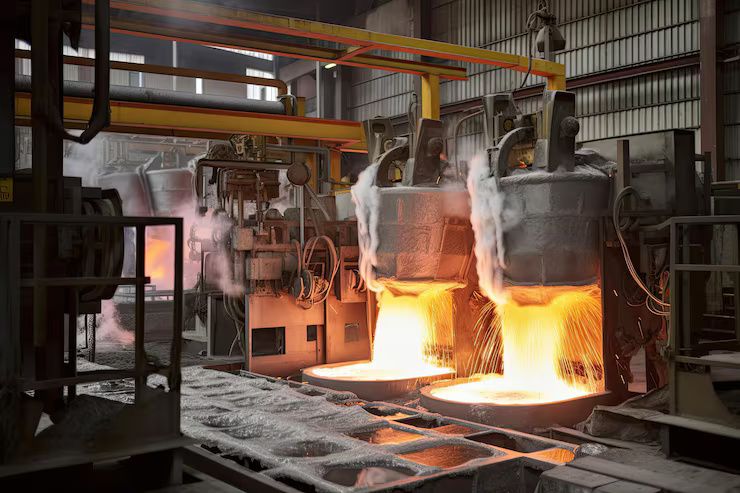
As industries continue adopting smart manufacturing and sustainable production practices, industrial kilns have become more efficient, environmentally conscious, and digitally connected. This guide explains how industrial kilns work, the different thermal processing technologies available, high-temperature systems, and their industrial applications.
What Are Industrial Kilns?
Industrial kilns are enclosed heating systems designed to process materials at controlled temperatures ranging from a few hundred degrees to well above 1,600°C, depending on the application. Unlike ordinary furnaces that primarily provide heat, kilns maintain specific temperature profiles and heating cycles that allow materials to undergo physical or chemical transformations.
Industrial kilns process a wide variety of materials including ceramics, cement clinker, bricks, refractories, glass, minerals, metals, and advanced composite materials.
A typical industrial kiln system consists of several important components:
- Kiln chamber
- Heating system
- Burners or electric heating elements
- Insulation materials
- Temperature sensors
- Airflow and exhaust system
- Material handling equipment
- Digital control system
Together, these components provide accurate temperature control and uniform heat distribution throughout the thermal processing cycle.
Why Industrial Kilns Are Important
Many manufacturing processes depend on carefully controlled heating to achieve specific material properties. Industrial kilns make it possible to strengthen ceramic products, remove moisture, trigger chemical reactions, and improve structural integrity while maintaining consistent product quality.
Modern kiln technology also improves production efficiency by reducing energy losses, shortening processing cycles, and supporting continuous manufacturing.
Some important advantages include:
- Precise temperature control
- Uniform thermal processing
- Improved product quality
- Continuous industrial production
- Better energy efficiency
These benefits have made industrial kilns an essential part of modern manufacturing.
Types of Industrial Kilns
Different manufacturing industries require different kiln designs depending on production volume, material characteristics, and thermal processing requirements.
Rotary Kilns
Rotary kilns consist of a slowly rotating cylindrical chamber that continuously moves materials through the heating zone.
They are widely used in cement manufacturing, mineral processing, lime production, and waste treatment because they efficiently process large quantities of bulk materials.
Tunnel Kilns
Tunnel kilns transport products through fixed heating zones using conveyors or rail systems.
These kilns provide continuous production and are commonly used for bricks, ceramic tiles, sanitary ware, and refractory products.
Shuttle Kilns
Shuttle kilns process materials in individual batches.
The kiln remains stationary while loaded cars move into and out of the chamber, making this design suitable for specialty ceramics and customized production.
Roller Hearth Kilns
Roller hearth kilns use heat-resistant rollers to transport products through the kiln.
They are commonly used in ceramic tile manufacturing and electronic component production where consistent movement and uniform heating are essential.
Chamber Kilns
Chamber kilns operate in batch mode and provide excellent temperature control for specialized thermal processing applications.
They are widely used for laboratory work, research, advanced ceramics, and precision manufacturing.
Electric Kilns
Electric kilns generate heat using electrical resistance elements rather than combustion systems.
They provide precise temperature control and clean heating environments, making them ideal for laboratories, electronics manufacturing, and specialty material processing.
How Industrial Kilns Work
Although kiln designs differ, most thermal processing systems follow a similar operating sequence.
Material Loading
Raw materials or finished products are placed inside the kiln using manual loading equipment, conveyors, or automated material handling systems.
Proper loading ensures uniform heat distribution throughout the process.
Controlled Heating
The heating system gradually raises the temperature according to a programmed thermal profile.
Controlled heating minimizes thermal stress while ensuring consistent processing.
Thermal Processing
Materials remain inside the kiln for a specified period to complete drying, firing, calcination, sintering, or other required thermal transformations.
Temperature and airflow are continuously monitored throughout the process.
Controlled Cooling
After processing, materials are cooled gradually to prevent cracking, warping, or structural damage.
Controlled cooling is often as important as the heating cycle itself.
Product Unloading
Finished products are removed from the kiln and transferred for inspection, finishing, packaging, or additional manufacturing processes.
Thermal Processing Technologies
Modern industrial kilns use several advanced thermal processing methods depending on the material and production requirements.
Drying
Drying removes moisture from raw materials before further manufacturing.
This process improves product stability while reducing the risk of defects during high-temperature processing.
Calcination
Calcination heats materials to high temperatures without complete melting, causing chemical decomposition or removal of volatile substances.
This technology is widely used in cement, lime, and mineral processing.
Sintering
Sintering bonds powdered materials together through heat without completely melting them.
It is commonly used in powder metallurgy, advanced ceramics, and additive manufacturing.
Firing
Firing permanently hardens ceramic materials by causing physical and chemical transformations.
This process improves strength, durability, and dimensional stability.
Heat Treatment
Heat treatment modifies the mechanical properties of metals and alloys through carefully controlled heating and cooling cycles.
High-Temperature Systems
Industrial kilns rely on advanced heating technologies to maintain precise thermal conditions.
Gas-Fired Heating Systems
Natural gas burners provide efficient and uniform heating for large-scale industrial kilns.
These systems are widely used because of their high thermal efficiency.
Electric Heating Systems
Electric resistance elements generate clean, precisely controlled heat for applications requiring exceptional temperature accuracy.
Automated Combustion Control
Modern combustion systems continuously regulate fuel and air mixtures to maximize heating efficiency while minimizing emissions.
Intelligent Temperature Monitoring
Digital temperature sensors continuously monitor heating conditions throughout the kiln.
Real-time monitoring improves product quality while reducing energy consumption.
Comparison of Common Industrial Kilns
Different kiln designs are developed for different manufacturing processes.
| Kiln Type | Heating Method | Typical Applications | Production Mode |
|---|---|---|---|
| Rotary Kiln | Gas or fuel-fired | Cement, minerals, lime | Continuous |
| Tunnel Kiln | Gas or electric | Bricks, ceramics | Continuous |
| Shuttle Kiln | Gas or electric | Specialty ceramics | Batch |
| Roller Hearth Kiln | Gas or electric | Ceramic tiles, electronics | Continuous |
| Chamber Kiln | Gas or electric | Research, advanced materials | Batch |
| Electric Kiln | Electric resistance | Laboratories, precision manufacturing | Batch |
Automation Technologies in Industrial Kilns
Modern kiln systems increasingly incorporate intelligent automation technologies.
Programmable Logic Controllers
Programmable Logic Controllers (PLCs) coordinate burners, conveyors, temperature zones, cooling systems, and material handling equipment.
This synchronization improves production efficiency while reducing manual intervention.
Smart Temperature Sensors
Sensors continuously monitor temperature, pressure, airflow, and combustion conditions.
Real-time monitoring helps maintain consistent thermal processing.
Industrial Internet of Things
IIoT platforms collect operational data from kiln systems and associated production equipment.
Manufacturers can remotely monitor kiln performance, energy usage, and maintenance requirements.
Predictive Maintenance Systems
Artificial intelligence analyzes equipment performance to identify potential maintenance needs before unexpected failures occur.
This reduces downtime while improving operational reliability.
Industrial Applications
Industrial kilns support manufacturing across numerous industries.
Cement Manufacturing
Rotary kilns convert raw materials into clinker, which forms the primary ingredient in cement production.
Ceramic Industry
Ceramic manufacturers use kilns to fire tiles, sanitary ware, tableware, porcelain, and technical ceramics.
Brick and Building Materials
Brick manufacturing facilities rely on tunnel kilns to produce durable construction materials with consistent quality.
Metallurgy
Heat treatment and sintering kilns improve the mechanical properties of metals, alloys, and powder metallurgy components.
Glass Manufacturing
Specialized kilns process glass products through annealing, strengthening, and thermal conditioning operations.
Chemical and Mineral Processing
Industrial kilns support calcination, drying, and thermal treatment of minerals, chemicals, catalysts, and industrial raw materials.
Benefits of Industrial Kilns
Modern kiln technologies provide numerous operational advantages.
Some important benefits include:
- Consistent thermal processing
- High product quality
- Improved energy efficiency
- Reliable continuous operation
- Precise temperature control
These advantages support efficient manufacturing while maintaining consistent production standards.
Challenges in Kiln Operations
Industrial kilns operate under extremely demanding conditions that require careful maintenance and process control.
Temperature fluctuations, refractory wear, fuel efficiency, thermal stress, heat loss, and uneven material distribution can affect product quality and operational efficiency.
Routine inspections, burner maintenance, refractory replacement, and digital monitoring help maintain reliable long-term performance while reducing production interruptions.
Recent Developments (2024–2026)
Recent years have brought significant innovations in industrial kiln technology.
Manufacturers are increasingly adopting hybrid heating systems that combine electric and gas-fired technologies to improve energy efficiency and reduce emissions. Artificial intelligence is now being used to optimize firing profiles, combustion efficiency, and temperature control in real time.
Digital twin technology allows engineers to simulate kiln performance before modifying production parameters, while Industrial Internet of Things (IIoT) platforms provide continuous monitoring of temperature, fuel consumption, airflow, and equipment health.
Low-emission burners, waste heat recovery systems, and advanced insulation materials have also become more common, helping manufacturers improve sustainability while reducing operating costs.
Safety Standards and Industry Guidelines
Industrial kilns operate under strict machinery, thermal safety, and environmental regulations designed to protect workers and equipment.
Important safety practices include:
- Temperature monitoring systems
- Emergency shutdown controls
- Proper ventilation and exhaust systems
- Routine refractory inspections
- Scheduled burner maintenance
Manufacturers generally design industrial kilns to comply with recognized machinery and industrial safety standards. In India, kiln installations also consider applicable Bureau of Indian Standards (BIS) guidelines together with workplace safety and environmental regulations.
Tools and Resources
Several technologies support efficient kiln operation and thermal process management.
Common resources include:
- Kiln monitoring software
- Thermal imaging systems
- Combustion analysis equipment
- Predictive maintenance platforms
- Production analytics dashboards
- Digital temperature calibration systems
These tools help improve energy efficiency, product quality, and operational reliability.
Frequently Asked Questions
What are industrial kilns used for?
Industrial kilns are used for drying, firing, calcination, sintering, heat treatment, and other high-temperature processes in manufacturing and material processing industries.
What is the difference between a kiln and a furnace?
A kiln is designed for controlled thermal processing of materials over specific heating cycles, while a furnace generally provides heat for melting, heating, or heat treatment applications.
Which industries use industrial kilns?
Industrial kilns are widely used in cement manufacturing, ceramics, metallurgy, glass production, mineral processing, chemical manufacturing, and construction materials industries.
What fuels are commonly used in industrial kilns?
Industrial kilns may operate using natural gas, electricity, fuel oil, biomass, or alternative industrial fuels depending on the application and facility design.
Why is temperature control important in kiln operations?
Accurate temperature control ensures consistent material properties, improves product quality, reduces defects, and optimizes energy consumption throughout the thermal processing cycle.
Future Trends in Industrial Kilns
Industrial kiln technology continues to advance through automation, digital connectivity, and sustainable thermal processing innovations.
Future kilns are expected to feature AI-driven process optimization, autonomous combustion control, hydrogen-compatible heating systems, and advanced waste heat recovery technologies. Increased adoption of electric heating, renewable energy integration, and carbon reduction strategies will further improve environmental performance.
As smart manufacturing continues to evolve, industrial kilns will remain a critical technology for high-temperature material processing, supporting efficient production, improved product quality, and sustainable industrial development across global manufacturing sectors.
Conclusion
Industrial kilns are essential high-temperature processing systems that enable drying, firing, calcination, sintering, and heat treatment across numerous industries. Through advanced thermal processing technologies, intelligent automation, and energy-efficient heating systems, these machines help manufacturers achieve consistent product quality while improving operational efficiency.
As manufacturing continues to embrace Industry 4.0, digital monitoring, and sustainable production practices, industrial kilns will play an even greater role in supporting modern industrial operations. Their combination of precision temperature control, smart automation, and high-performance thermal processing ensures they will remain indispensable to manufacturing and material processing for years to come.