
Soap is one of the most widely used personal care and hygiene products in everyday life. From households and healthcare facilities to hospitality and industrial environments, soap plays an important role in maintaining cleanliness and hygiene.
Behind every finished soap bar or liquid formulation is a detailed manufacturing process involving raw materials, chemical blending, industrial machinery, and quality control systems. Modern soap manufacturing plants focus on efficiency, consistency, and product performance to meet growing consumer demand.
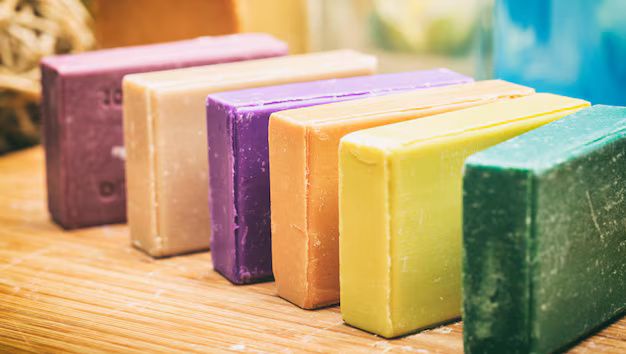
In this guide, we’ll explore how soap is manufactured, the machinery involved in production, and the FMCG applications that make soap an essential product worldwide.
What Is Soap Manufacturing?
Soap manufacturing is the industrial process of producing cleansing products using oils, fats, alkalis, fragrances, and other additives through controlled chemical and mechanical operations.
The process is designed to create products that effectively remove dirt, oil, and impurities while maintaining stable texture and quality.
Modern manufacturing facilities focus on:
- Consistent product formulation
- Uniform texture and appearance
- Efficient large-scale production
- Reliable quality control systems
These factors help maintain product consistency across different soap categories.
Importance of Soap in the FMCG Industry
Soap is a major segment within the FMCG (Fast-Moving Consumer Goods) industry because it is used regularly in homes, workplaces, healthcare facilities, and commercial spaces.
Demand remains strong due to increasing awareness around hygiene and personal care.
Manufacturers continuously improve formulations to enhance:
- Cleansing performance
- Skin compatibility
- Fragrance retention
- Product durability
These improvements help support evolving consumer preferences and market trends.
Types of Soap Manufactured
Different soap products are produced depending on usage requirements and formulation styles.
Bathing Soap
Bathing soaps are formulated for regular personal hygiene and skincare applications.
They often include fragrances, moisturizers, and skin-conditioning ingredients.
Laundry Soap
Laundry soaps are designed for fabric cleaning and stain removal.
These formulations usually focus on stronger cleansing properties.
Liquid Soap
Liquid soap products are widely used in homes, offices, healthcare facilities, and commercial environments.
Industrial and Antibacterial Soap
Specialized soap products are manufactured for industrial cleaning and hygiene-focused applications.
These soaps may include additional cleansing or protective ingredients.
Raw Materials Used in Soap Production
The quality and performance of soap depend heavily on raw material selection and formulation accuracy.
Common Raw Materials
- Vegetable oils or fats
- Alkalis such as sodium hydroxide
- Water and stabilizers
- Fragrances and color additives
- Moisturizing and conditioning agents
Each ingredient contributes to the texture, cleansing ability, and final appearance of the product.
For example, certain oils improve foam generation while additives may enhance fragrance or skin feel.
Soap Manufacturing Process
Soap manufacturing involves several organized production stages. Each stage contributes to the final quality and consistency of the product.
1. Raw Material Preparation
The process begins with measuring and preparing oils, alkalis, and additives according to formulation requirements.
Accurate batching is important because small variations can affect product quality.
2. Saponification Process
Saponification is the chemical reaction between oils or fats and alkalis.
This reaction forms soap and glycerin as the main products.
The process must remain carefully controlled to ensure stable texture and cleansing performance.
3. Mixing and Blending
Additional ingredients such as fragrances, colors, moisturizers, and conditioning compounds are blended into the soap base.
Industrial mixers help maintain uniform consistency throughout production.
4. Drying and Refining
Depending on the soap category, the material may undergo drying to reduce moisture levels.
Refining equipment helps improve texture and smoothness before shaping.
5. Extrusion and Shaping
Soap material is processed through extrusion machines to create continuous shapes.
The product is then cut and molded into bars or desired forms.
Modern systems ensure:
- Consistent product dimensions
- Smooth surface finishing
- Uniform texture and density
6. Stamping and Finishing
Soap bars may undergo stamping, polishing, or surface finishing depending on branding and product style.
This stage improves final appearance and presentation.
7. Inspection and Packaging
Finished soap products are inspected for quality, texture, fragrance consistency, and appearance.
After inspection, products are packaged using automated systems for industrial distribution.
Machinery Used in Soap Manufacturing
Modern soap production plants rely on advanced industrial machinery for efficient and large-scale manufacturing.
Common Machinery
- Industrial mixing and blending tanks
- Saponification reactors
- Soap refining and milling equipment
- Vacuum drying systems
- Extrusion and cutting machines
- Automatic packaging systems
These machines help maintain consistent quality and improve production efficiency.
Automation also reduces manual handling and production errors.
Role of Automation in Soap Production
Automation has significantly improved modern soap manufacturing processes.
Automated systems help monitor:
- Raw material proportions
- Mixing consistency
- Moisture and temperature levels
- Product dimensions and packaging quality
This improves operational efficiency and ensures product consistency across production batches.
FMCG Applications of Soap
Soap products are used across various sectors within the FMCG industry.
Household Hygiene
Bathing and handwashing soaps remain essential products in residential environments.
Healthcare and Hospitality
Hospitals, hotels, and public facilities use specialized hygiene soaps for cleanliness and sanitation.
Commercial and Industrial Cleaning
Industrial cleaning soaps are used in factories, workshops, and commercial facilities.
Personal Care Products
Modern formulations support skincare-focused applications with additional moisturizing ingredients.
These applications highlight the importance of soap manufacturing in daily life and industrial operations.
Advantages of Modern Soap Manufacturing
Modern production systems provide several important benefits.
Key Advantages
- Faster and more efficient production
- Better product consistency
- Improved hygiene and quality control
- Large-scale manufacturing capability
These improvements help manufacturers meet growing market demand efficiently.
Challenges in Soap Manufacturing
Despite advanced technology, soap manufacturing still faces certain challenges.
Maintaining consistent raw material quality is important because variations can affect product texture and performance.
Manufacturers must also carefully manage fragrance stability, moisture balance, and production efficiency.
Environmental sustainability is becoming increasingly important as industries focus on reducing waste and improving energy efficiency.
Future Trends in Soap Manufacturing
The soap manufacturing industry continues evolving with advanced technologies and changing consumer preferences.
Emerging Trends
- Automated smart production systems
- Eco-friendly and sustainable formulations
- Improved fragrance and skincare technologies
- Advanced packaging and production efficiency
These innovations are helping manufacturers improve product quality and operational performance.
Practical Example of Soap Manufacturing Applications
Consider a modern FMCG manufacturing facility producing bathing soaps for large-scale distribution.
Automated systems handle mixing, shaping, drying, and packaging while maintaining consistent product quality throughout production.
Different formulations may also be produced within the same facility for household, healthcare, and industrial applications.
This demonstrates how modern soap manufacturing supports large-scale consumer demand efficiently.
Conclusion
Soap manufacturing is a highly organized industrial process that combines chemical formulation, advanced machinery, and precision quality control to create essential hygiene products.
From raw material preparation to shaping and packaging, every production stage contributes to product consistency and performance.
As manufacturing technologies continue advancing, modern soap production plants are becoming more efficient, automated, and environmentally focused, supporting the growing demands of the global FMCG industry.