
Broaching machines are industrial machine tools used to remove material from metal components through a specialized cutting tool called a broach. The tool contains multiple cutting teeth arranged progressively, with each tooth removing a small amount of material as it moves across or through a workpiece. This process produces accurate shapes, slots, keyways, splines, and internal or external profiles.
Broaching technology developed alongside the growth of mechanical engineering and industrial manufacturing. As machinery, automotive components, and precision equipment became more complex, manufacturers required machining methods capable of producing consistent shapes and dimensions. Broaching machines became an important part of metalworking operations because they can perform specific cutting tasks in a controlled manufacturing cycle.
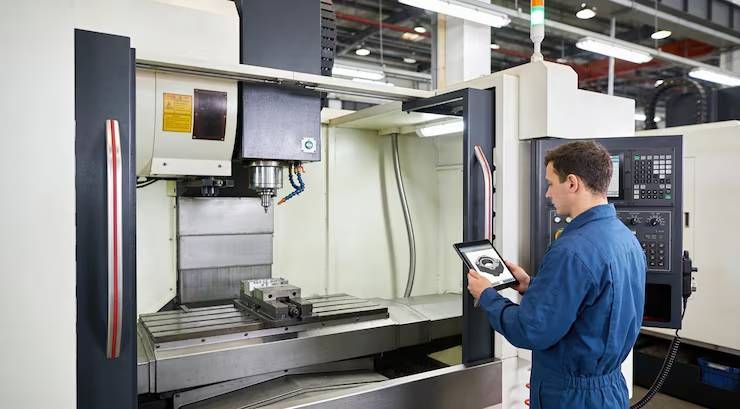
Modern industrial broaching machines are available in hydraulic, mechanical, and CNC-controlled configurations. They are used in automotive manufacturing, aerospace engineering, heavy machinery production, agricultural equipment, and precision component manufacturing.
Why Broaching Machines Matter in Modern Manufacturing
Broaching machines play an important role in manufacturing components that require specific internal or external geometries. Industries producing gears, shafts, transmission components, and mechanical assemblies use broaching technology to create accurately shaped surfaces.
Unlike conventional machining methods that may require several cutting operations, broaching can produce a defined profile through a single tool movement. The process is particularly relevant when manufacturers need consistent dimensions across repeated production cycles.
Important industrial applications include:
Automotive Manufacturing: Producing transmission gears, steering components, keyways, and spline shafts.
Aerospace Engineering: Machining selected turbine components and precision mechanical profiles.
Heavy Machinery: Manufacturing shafts, couplings, and mechanical drive components.
Agricultural Equipment: Producing internal slots and shaped mechanical parts.
Industrial Equipment: Manufacturing gears, hubs, and specialized machine components.
Precision Engineering: Creating complex internal and external profiles in metal workpieces.
Major Types of Industrial Broaching Machines
Broaching machines are classified according to their cutting direction, machine configuration, and manufacturing application. Each type is designed for particular workpiece geometries and production requirements.
Horizontal Broaching Machines
Horizontal broaching machines position the cutting tool along a horizontal axis. The broach moves through or across the workpiece, removing material progressively.
These machines are commonly used for long workpieces, internal keyways, and components requiring horizontal cutting arrangements.
Vertical Broaching Machines
Vertical broaching machines use an upright machine configuration. The broach generally moves vertically through the workpiece, making this arrangement suitable for various internal and external machining applications.
Industrial vertical broaching machines are used in automotive manufacturing, gear production, and precision engineering facilities.
Hydraulic Broaching Machines
Hydraulic broaching machines use hydraulic cylinders to generate the force required for cutting operations. Hydraulic systems provide controlled movement and adjustable operating parameters.
They are used in industrial production environments where controlled cutting force and consistent machine movement are important.
Mechanical Broaching Machines
Mechanical broaching machines use mechanical drive arrangements to move the cutting tool. Depending on their design, these machines may use crank mechanisms, gears, or other mechanical transmission systems.
They are suitable for production environments involving repetitive machining operations.
CNC Broaching Machines
CNC broaching machines incorporate computer numerical control technology to manage selected machine movements and operating parameters.
Depending on the machine configuration, CNC systems can support automated positioning, programmable operating sequences, monitoring, and integration with other manufacturing equipment.
Broaching Machine Working Principles and Manufacturing Processes
The broaching process works through progressive material removal. A broach contains several cutting teeth, with each successive tooth generally removing more material than the previous one until the required profile is formed.
How the Broaching Process Works
The typical manufacturing process involves the following stages:
Workpiece Preparation: The metal component is prepared and positioned according to the machining requirements.
Tool Alignment: The broaching tool is aligned with the workpiece and the required cutting profile.
Cutting Operation: The machine moves the broach through or across the component.
Progressive Material Removal: Individual cutting teeth remove small portions of material.
Finishing Operation: Finishing teeth create the required dimensions and surface characteristics.
Inspection: The machined component is checked for dimensional accuracy and surface quality.
Types of Broaching Operations
Internal Broaching: Used to create internal shapes such as keyways, splines, polygonal openings, and shaped holes.
External Broaching: Used to machine external surfaces, grooves, flat sections, and specially shaped profiles.
Surface Broaching: Removes material from external surfaces using a broach that travels across the workpiece.
Rotary Broaching: Uses a rotating cutting tool to produce polygonal profiles, including hexagonal and square openings.
Broaching Machine Tooling, Materials and Technical Components
The performance of a broaching operation depends on the machine structure, cutting tool, workpiece material, and operating conditions.
Important machine and tooling components include:
Broach Cutting Tools: Specialized tools containing multiple cutting teeth arranged in a progressive sequence.
Hydraulic Power Units: Generate hydraulic pressure for machines using hydraulic drive systems.
Machine Bed and Frame: Support the workpiece, tooling, and mechanical assemblies.
Workpiece Fixtures: Hold components in the required position during machining.
Control Panels: Allow operators to manage machine functions and operating parameters.
Coolant Systems: Help manage heat and remove machining debris where required.
Broaching tools are commonly manufactured using high-speed steel and other suitable tool materials. Carbide-based cutting materials may also be used in selected applications.
Global Broaching Machine Manufacturers and Industrial Equipment Suppliers
The global broaching machine industry includes specialized machine tool manufacturers, precision engineering companies, and industrial equipment suppliers.
Some internationally recognized companies associated with broaching technology and machine tools include:
American Broach & Machine Company: Associated with industrial broaching machines and related tooling systems.
Colonial Tool Group: Operates in broaching equipment and specialized machine tooling.
Forst Technologies: Associated with broaching technology and precision machining equipment.
EKIN: Produces broaching equipment and related industrial machine tools.
Mitsubishi Heavy Industries: Operates across industrial machinery and manufacturing technologies.
Industrial buyers and engineering teams generally evaluate machine specifications, broach compatibility, workpiece dimensions, production requirements, tooling availability, and technical documentation when studying equipment configurations.
Recent Developments in Broaching Machine Technology, 2024–2026
Broaching technology continues to develop alongside wider changes in industrial automation and precision manufacturing.
Several trends are influencing modern broaching systems:
CNC Machine Integration: Programmable controls support more structured machining sequences, positioning, and machine monitoring.
Industrial Automation: Broaching machines are increasingly integrated with robotic loading systems, automated workpiece handling, and production lines.
Smart Manufacturing: Sensors and machine monitoring systems help track operating conditions, equipment performance, and maintenance requirements.
Advanced Cutting Tool Materials: Improvements in tool materials and cutting geometries support different machining applications and workpiece requirements.
Digital Manufacturing Systems: Integration with manufacturing execution systems (MES) and production monitoring platforms supports manufacturing data collection and process coordination.
These developments connect broaching technology with broader Industry 4.0 manufacturing systems.
Broaching Machine Regulations and Industrial Safety Standards
Broaching machine operations involve moving mechanical components, cutting tools, hydraulic systems, and metal chips. Industrial facilities therefore follow machinery safety requirements and workplace regulations.
In the United States, the Occupational Safety and Health Administration (OSHA) establishes workplace safety requirements, including machine guarding and employee protection.
In India, industrial workplaces are subject to applicable occupational safety legislation, machinery safety requirements, and relevant standards administered through government and standards organizations.
Important safety considerations include:
Machine guarding around moving components.
Emergency stop systems.
Safe workpiece clamping and tool installation.
Hydraulic system inspection.
Appropriate protective equipment.
Operator training and maintenance procedures.
Safe removal of metal chips and machining debris.
The applicable requirements depend on the machine design, industrial activity, and operating jurisdiction.
Helpful Tools and Resources for Broaching Machine Research
Manufacturing engineers and equipment researchers use several digital resources to understand broaching processes and machine specifications.
Autodesk Fusion: Supports CAD design and manufacturing planning.
SOLIDWORKS: Used for mechanical design and engineering analysis.
Sandvik Coromant: Provides technical information about metal cutting and machining processes.
ISO: Publishes international standards relevant to manufacturing and quality management.
Thomasnet: Provides industrial manufacturer and equipment supplier information.
These resources help readers understand machine configurations, manufacturing terminology, engineering specifications, and industrial machining practices.
Frequently Asked Questions About Broaching Machines
1. What is an industrial broaching machine used for?
An industrial broaching machine removes material from metal components to create internal or external profiles, keyways, splines, grooves, and shaped openings.
2. What are the main types of broaching machines?
The main types include horizontal broaching machines, vertical broaching machines, hydraulic broaching machines, mechanical broaching machines, and CNC broaching machines.
3. How does a CNC broaching machine work?
A CNC broaching machine uses programmable control systems to manage selected machine movements and machining sequences while a multi-tooth broach progressively removes material from a workpiece.
4. Which industries use industrial broaching systems?
Automotive, aerospace, agricultural machinery, heavy equipment, industrial engineering, and precision component manufacturing are among the major application areas.
5. What factors are important when selecting broaching machine manufacturers?
Important factors include machine capacity, cutting direction, broach specifications, workpiece dimensions, drive mechanism, automation compatibility, tooling requirements, and applicable safety standards.
Conclusion
Broaching machines are important metalworking systems used to produce internal and external profiles in industrial components. Different machine configurations, including horizontal, vertical, hydraulic, mechanical, and CNC systems, support a wide range of manufacturing applications. Automation, digital monitoring, and advanced cutting tool technologies continue to influence broaching operations. Understanding machine principles, tooling requirements, industrial applications, and safety standards provides useful background for evaluating this manufacturing technology.