Cave exploration adventures involve visiting natural underground spaces to observe rock formations, underground rivers, mineral deposits, wildlife, and geological features.
Caves develop through natural processes that can take thousands or millions of years. Some are accessible through guided walking routes, while others contain narrow passages, steep drops, flooded sections, or complex underground networks that require specialized training.
Cave exploration is also known as caving or spelunking. The activity combines outdoor adventure with an opportunity to learn about geology, underground ecosystems, and the history of human settlement. Caves have served as shelters, places of cultural importance, archaeological sites, and sources of scientific information throughout human history.
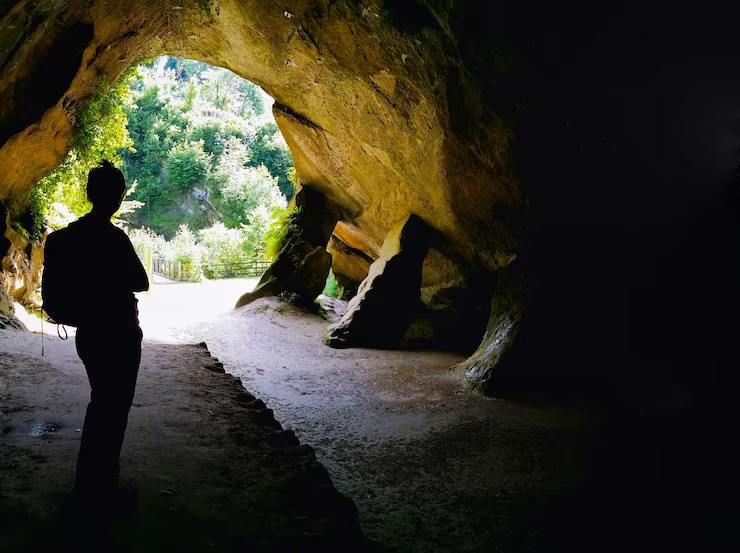
Natural caves form in different ways. Limestone caves often develop when slightly acidic water gradually dissolves soluble rock. Lava tubes form when the outer surface of a flowing lava stream cools while molten material continues moving underneath. Sea caves can develop when waves gradually erode coastal rock, while ice caves form through processes involving snow, ice, and water.
Different Types of Cave Exploration
Cave exploration can involve several types of environments. Show caves have established paths, lighting, railings, and designated visitor routes. These locations are generally organized to help visitors observe underground features while reducing exposure to difficult terrain.
Wild caves are less modified and may contain uneven floors, loose rocks, low ceilings, and unmarked passages. Their exploration can require helmets, headlamps, navigation skills, and knowledge of underground hazards.
Other forms include lava tube exploration, ice cave visits, and water-filled cave diving. Cave diving is a specialized activity involving underwater navigation and technical training, making it substantially different from ordinary walking tours.
Geological Features Found Inside Caves
Caves contain formations that provide evidence of long-term geological processes. Stalactites hang from cave ceilings, while stalagmites grow upward from floors as mineral-rich water deposits material over time. When these formations eventually meet, they may form a column.
Other features include underground streams, rock chambers, mineral crusts, fossils, and natural pools. Their appearance depends on the type of rock, water movement, temperature, and the cave's geological history.
Importance
Cave exploration adventures contribute to outdoor education, scientific understanding, cultural awareness, and nature-based recreation. They allow visitors to experience environments that differ significantly from forests, mountains, and open landscapes. For students and general travelers, caves can provide practical examples of erosion, mineral deposition, and underground water movement.
Caves also help researchers understand past climates and environmental changes. Mineral deposits known as speleothems can preserve chemical information about historical rainfall and environmental conditions. Fossils and archaeological remains can provide evidence about ancient animals, human activity, and changing landscapes.
Environmental and Scientific Value
Underground ecosystems can support bats, insects, spiders, fish, and microorganisms. Some species have adapted to darkness and limited food availability. These organisms may be sensitive to changes in temperature, humidity, water quality, and human disturbance.
Cave exploration can also create awareness of groundwater protection. In limestone regions, water can move through underground channels and enter cave systems relatively quickly. Pollutants entering these areas may affect underground water and nearby communities.
Physical and Educational Benefits
Walking through accessible caves may involve moderate physical activity, uneven surfaces, stairs, and changes in elevation. Visitors can develop observation skills and learn to recognize geological structures and environmental conditions.
However, the physical demands vary considerably. A developed cave with paved paths differs from a remote cave involving crawling, climbing, or rope techniques. Visitors need to understand the difficulty of the particular route rather than assuming all cave exploration involves similar conditions.
Recent Updates
Developments in cave exploration during 2024–2026 reflect wider interest in conservation, digital interpretation, scientific monitoring, and responsible nature tourism. Practices differ among countries and individual cave sites, and not every development applies to every destination.
Digital Mapping and Cave Research
Researchers increasingly use three-dimensional mapping, laser scanning, digital photography, and surveying equipment to document underground spaces. These methods help create detailed records of cave passages, chambers, and geological formations.
Digital models can support scientific research, conservation planning, and visitor interpretation. They may also help researchers compare changes in cave structures over time without repeatedly entering sensitive areas.
Conservation and Responsible Exploration
Cave managers continue to emphasize protecting delicate formations, underground water, and wildlife habitats. Some locations limit visitor numbers, restrict access to particular chambers, or close passages during sensitive periods, such as bat breeding or hibernation.
Guidance increasingly highlights low-impact behavior, including avoiding contact with formations, staying on designated paths, and preventing the transfer of soil or microorganisms between cave systems. These measures help reduce damage that may be difficult or impossible to reverse.
Visitor Education and Digital Interpretation
Some developed caves use digital displays, audio guides, interactive maps, and virtual models to explain geological processes and local history. These resources can help visitors understand cave environments before entering restricted or physically demanding areas.
Technology does not remove natural hazards. Water levels, falling rocks, poor visibility, and difficult terrain can still affect underground conditions, so access decisions remain important.
Laws or Policies
Cave exploration is affected by environmental protection laws, protected-area regulations, land ownership rules, archaeological protections, and workplace or adventure-activity safety requirements. The applicable rules depend on the cave's location and whether it lies within a national park, wildlife sanctuary, privately managed property, or another protected area.
In India, caves may fall under different legal frameworks depending on their archaeological, geological, ecological, and cultural significance. The Ancient Monuments and Archaeological Sites and Remains Act, 1958, provides protections for qualifying centrally protected monuments and archaeological sites. State-level laws and other applicable rules may also govern access and conservation.
Caves located in protected forests, national parks, or wildlife sanctuaries may be subject to restrictions under the Wild Life (Protection) Act, 1972, the Van (Sanrakshan Evam Samvardhan) Adhiniyam, 1980, as amended, and relevant protected-area regulations, depending on the circumstances.
Visitors should distinguish between general public access and permission to enter restricted areas. Some caves require authorization, guided entry, or compliance with conservation rules. Archaeological sites may prohibit touching, removing, or damaging objects and structures.
Common management measures include:
- Limiting access to fragile chambers and wildlife habitats.
- Requiring helmets, lighting, or guides on designated routes.
- Prohibiting littering, graffiti, and the removal of rocks or fossils.
- Restricting access during flooding, wildlife activity, or conservation work.
- Establishing emergency procedures and visitor safety requirements.
Specific legal obligations depend on the site and the responsible authority. Official tourism departments, forest departments, archaeological authorities, and protected-area managers provide relevant information about access and restrictions.
Tools and Resources
Preparation for cave exploration involves understanding the route, equipment, environmental conditions, and emergency arrangements. The appropriate resources depend on whether the activity takes place in a developed tourist cave or an undeveloped underground system.
Essential Equipment
For a guided walking cave, common equipment may include sturdy footwear, suitable clothing, a helmet where required, and a dependable light source. A backup light is important in caves where visitors must carry their own lighting.
More demanding cave environments may require specialist equipment, including harnesses, ropes, climbing protection, communication devices, and technical navigation tools. These items require appropriate training and should not be treated as substitutes for experience.
Useful Information Sources
Several resources help visitors understand cave environments:
- Geological Survey of India: geological information and research relating to India's landforms and rock systems.
- Ministry of Environment, Forest and Climate Change: environmental protection information and relevant government policies.
- Archaeological Survey of India: information about protected archaeological monuments and heritage locations.
- Local forest departments and official tourism websites: access conditions, visitor rules, seasonal restrictions, and designated routes.
- National Speleological Society: educational material on caving, conservation, and underground safety.
Weather forecasts, route maps, emergency contact details, and official cave notices are also useful planning resources. Outdoor navigation applications can support route planning, but underground GPS reception is generally unreliable.
Comparison of Cave Exploration Types
| Exploration type | Typical conditions | General preparation |
|---|---|---|
| Developed tourist cave | Established paths and visitor facilities | Suitable footwear and adherence to site rules |
| Guided wild cave | Uneven floors and natural passages | Guide instructions, helmet, and lighting |
| Lava tube exploration | Dark volcanic passages and rough rock | Route information and appropriate protective equipment |
| Ice cave visit | Cold conditions and potentially unstable ice | Current access information and suitable clothing |
| Cave diving | Underwater passages with restricted visibility | Specialized training and technical diving equipment |
FAQs
What are cave exploration adventures?
Cave exploration adventures involve visiting underground environments to observe rock formations, geological features, wildlife, and historical remains. Activities range from walking through developed tourist caves to technically demanding exploration of natural passages.
What equipment is needed for cave exploration?
Equipment depends on the cave and route. Common items include sturdy footwear, a helmet where required, reliable lighting, spare batteries, and appropriate clothing. Technical caves may require specialist equipment and training.
Is cave exploration safe for beginners?
Developed tourist caves and suitable guided routes may be accessible to beginners, but underground environments contain natural hazards. Narrow passages, flooding, unstable rock, darkness, and difficult navigation can create serious risks in undeveloped caves.
Where can visitors experience cave exploration in India?
India has several well-known cave destinations, including the limestone caves of Meghalaya, the Ajanta and Ellora cave complexes in Maharashtra, and the natural formations at Borra Caves in Andhra Pradesh. These destinations differ in geological origin, cultural significance, accessibility, and visitor rules.
How can cave exploration protect the environment?
Responsible exploration involves staying on designated routes, avoiding contact with fragile formations, carrying out waste, respecting wildlife, and following site restrictions. These practices help preserve cave habitats and geological features for future research and visitors.
Conclusion
Cave exploration adventures provide opportunities to learn about geology, underground ecosystems, archaeology, and natural processes. Different cave types require different levels of preparation, from ordinary walking routes to specialized technical environments. Conservation rules and safety procedures help protect visitors, wildlife, groundwater, and fragile formations. Understanding these differences gives readers a clearer picture of cave exploration as both an outdoor activity and a scientific learning experience.