Digital identity technologies are systems and methods used to represent, verify, and manage the identity of a person, organization, device, or application in a digital environment.
They help determine who is accessing an online account, using a digital platform, or requesting access to protected information. These technologies support activities such as online banking, electronic payments, government portals, healthcare applications, and workplace access systems.
In everyday life, people prove their identity using documents such as passports, driving licences, or other identification records. Digital environments require comparable methods that work electronically. A digital identity may include information such as a username, verified email address, authentication credentials, identity attributes, or a digitally signed credential.
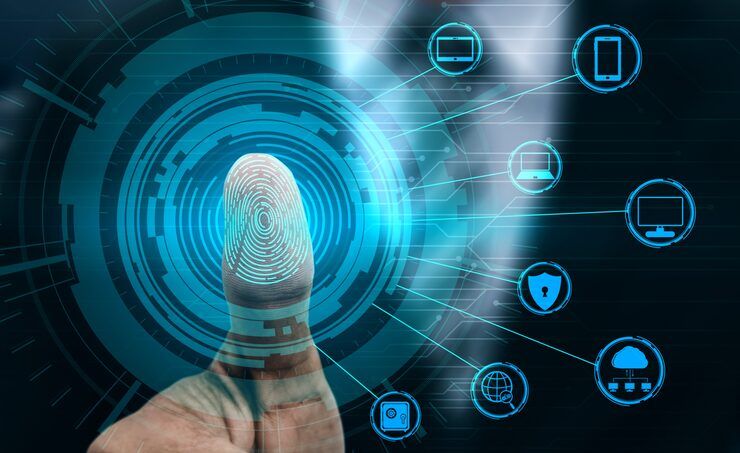
Digital identity is not a single technology. It can combine identity databases, passwords, biometric verification, cryptographic keys, authentication applications, and digital certificates. Different systems use different combinations depending on the sensitivity of the information and the risks involved.
For example, a banking application may use a username, a password, a one-time code, and device verification to help protect an account. A government platform may use an authorized identity system to verify a person's details before providing access to a digital record. These examples demonstrate how digital identity technologies connect identity information with online access.
Importance of Digital Identity Technologies
Secure Access to Online Accounts
Digital identity technologies help applications determine whether a person or system should be allowed to access particular resources. Authentication checks the claimed identity, while authorization determines what that identity is permitted to do.
For example, an employee may authenticate through a workplace identity platform but receive access only to the documents required for their role. This separation helps reduce unnecessary access to confidential information.
Strong authentication can also reduce risks associated with stolen passwords. However, no single method eliminates every threat. Security depends on how credentials are protected, how recovery works, and how access is monitored.
Support for Digital Public Services
Government portals often need to verify information before allowing people to access records or complete official processes. Digital identity systems can support electronic applications, identity verification, and online delivery of public services.
A reliable identity process can reduce repeated data entry and make remote access more convenient. Nevertheless, systems should account for people who lack compatible devices, reliable connectivity, or the documents required by a particular verification process.
Protection Against Identity Fraud
Identity fraud occurs when someone uses another person's identifying information or credentials without authorization. Digital identity technologies can help detect suspicious login attempts, verify credentials, and limit access when unusual activity is identified.
Methods such as multifactor authentication, device-based credentials, fraud monitoring, and cryptographic verification can strengthen protection. Their effectiveness depends on implementation, user behavior, and the ability to respond quickly to compromised credentials.
Identity verification is also different from fraud prevention. Confirming that a person has presented a valid identity credential does not automatically establish that every subsequent action is legitimate.
Privacy and Controlled Information Sharing
Some identity systems allow users to disclose only the information required for a particular purpose. For example, a system may verify whether a person meets an age requirement without sharing a full date of birth, provided the underlying credential and verification process support that capability.
This approach can reduce unnecessary exposure of personal information. Privacy benefits depend on how the system is designed, what information is recorded, and whether identity providers or relying applications can link activities across different contexts.
Support for Connected Devices
Digital identity also applies to computers, mobile devices, sensors, servers, and software applications. These systems need ways to establish their identities before exchanging data or accessing protected resources.
Device certificates, cryptographic keys, and machine identities can help confirm that a connection comes from an authorized system. This is important in cloud computing, industrial networks, connected vehicles, and Internet of Things environments.
Recent Updates and Developments
Passkeys and Passwordless Authentication
Passkeys are digital credentials based on public-key cryptography. They allow users to authenticate through a supported device or credential manager, often using a fingerprint, facial recognition, or a device PIN to authorize the operation.
Unlike conventional passwords, passkeys are designed to resist common phishing attacks because authentication is linked to the legitimate website or application. Their adoption is expanding across consumer and workplace applications, although support and account-recovery methods vary between platforms.
Passwordless authentication does not mean that every account becomes automatically secure. Organizations still need to protect account recovery, manage lost devices, and provide suitable alternatives for users who cannot access a passkey.
Verifiable Digital Credentials
Verifiable credentials are digitally issued statements that can be checked for authenticity and integrity. An authorized issuer may create a credential containing specific information, while a recipient can verify whether it has been issued correctly and remains valid under the relevant system.
These credentials can support education records, professional qualifications, membership details, and selected identity attributes. Some systems allow credentials to be stored in digital wallets, giving users greater control over when information is presented.
The technology does not guarantee that the original information was accurate. Trust still depends on the issuer, verification process, credential status, and policies governing its use.
Decentralized Identity Models
Decentralized identity approaches aim to reduce dependence on a single identity provider by allowing users or organizations to manage identifiers and credentials across different systems. Some approaches use distributed ledgers, while others rely on established cryptographic standards and conventional infrastructure.
Decentralization does not necessarily mean that identity information is stored publicly or that no central authority exists. The actual architecture determines who issues credentials, who controls access, and how credentials can be revoked or recovered.
Artificial Intelligence and Identity Verification
Artificial intelligence can assist identity verification by comparing document images, detecting possible alterations, and identifying unusual login patterns. Biometric systems may also use machine learning to compare a live sample with a previously enrolled template.
These technologies can make some verification processes more efficient, but they can also produce false matches or incorrect rejections. Performance may vary across devices, lighting conditions, document quality, and demographic groups. Human review, testing, transparency, and appropriate appeal procedures remain important.
Growing Attention to Digital Trust
Organizations increasingly treat identity as a foundation for cybersecurity rather than merely an account-management function. Identity systems are being integrated with access policies, device checks, security monitoring, and automated account lifecycle management.
Standards and guidance from organizations such as the National Institute of Standards and Technology (NIST) and the World Wide Web Consortium (W3C) help developers understand authentication, digital credentials, and identity-related security practices. The appropriate standard depends on the application and the system's requirements.
Laws or Policies Related to Digital Identity Technologies in India
Aadhaar and Digital Identity
Aadhaar is an identity system administered by the Unique Identification Authority of India (UIDAI). It provides a digitally verifiable identity number and related authentication mechanisms under India's Aadhaar legal framework.
Aadhaar authentication is subject to applicable laws, regulations, and authorized-use conditions. Organizations should not assume that every private application can use Aadhaar authentication for any purpose. The permitted use, consent requirements, authentication method, and applicable safeguards must be assessed for the specific context.
Aadhaar should also be distinguished from a general-purpose password or a complete proof of every personal attribute. Identity verification establishes particular information under a defined process; it does not automatically establish every fact about a person's eligibility or circumstances.
Digital Personal Data Protection Act, 2023
India's Digital Personal Data Protection Act, 2023 establishes a framework for processing digital personal data. Its relevance to digital identity systems depends on the information collected, the purpose of processing, the parties involved, and the provisions in force.
Organizations managing identity information should assess applicable requirements concerning notices, consent where required, data security, and the handling of individuals' rights. They should also check current rules, commencement notifications, and exemptions before deploying a system because legal requirements may evolve.
Information Technology Act, 2000
The Information Technology Act, 2000 provides part of India's legal framework for electronic records and electronic signatures, alongside applicable rules. It is relevant to certain forms of electronic authentication and legally recognized digital transactions.
Organizations should distinguish among electronic signatures, digital signatures, identity verification, and ordinary login authentication. These concepts serve related but different purposes, and their legal significance depends on the method and applicable requirements.
Cybersecurity and Information Protection
The Indian Computer Emergency Response Team (CERT-In) issues cybersecurity directions that apply to specified entities and circumstances. Relevant requirements may concern incident reporting, time synchronization, and the maintenance of information technology logs.
Organizations operating digital identity platforms should establish access controls, protect cryptographic keys, monitor suspicious activity, and maintain an incident-response process. The exact legal obligations depend on the organization and the systems it operates.
Tools and Resources for Digital Identity Technologies
Identity and Access Management Platforms
Identity and access management platforms help organizations create accounts, authenticate users, assign permissions, and manage access throughout the account lifecycle. They may support single sign-on, multifactor authentication, directory integration, and policy-based access controls.
Examples include Microsoft Entra ID, Okta, and Keycloak. Their features, deployment models, and integration requirements differ. Selection should consider existing infrastructure, administrative needs, privacy requirements, and the level of control an organization needs.
Authentication Standards
Several standards help systems implement authentication consistently.
- FIDO2: A set of standards supporting passwordless authentication through public-key credentials.
- WebAuthn: A web standard that allows applications to use supported authenticators for secure authentication.
- OpenID Connect: An identity layer built on OAuth 2.0 that enables applications to verify user authentication and receive identity information.
- SAML: A standard commonly used to exchange authentication and authorization information between identity providers and applications.
These standards are not interchangeable. Each serves a particular purpose, and systems may combine several standards to support login, federation, and access management.
Digital Credential Standards
The W3C publishes standards related to verifiable credentials and decentralized identifiers. These specifications provide technical frameworks for representing credentials and, in supported systems, checking their authenticity.
Developers should examine the issuer model, credential format, cryptographic method, revocation process, and privacy implications before implementing a credential system. Compatibility between platforms is also important when credentials need to work across organizations.
Security Testing and Monitoring
Security tools can help identify weaknesses in authentication configurations, exposed credentials, suspicious access attempts, and incorrect permission assignments. Logging and monitoring systems can also help investigators understand account activity.
Testing should include password-reset procedures, recovery flows, session management, multifactor authentication, and access revocation. A secure login process may still be vulnerable if attackers can bypass it through an insecure recovery method.
Frequently Asked Questions
What Are Digital Identity Technologies?
Digital identity technologies are tools and methods used to represent, verify, and manage identities in electronic environments. They include authentication systems, biometrics, digital certificates, identity platforms, and verifiable credentials.
How Do Digital Identity Technologies Improve Security?
They can strengthen security through multifactor authentication, cryptographic credentials, access controls, and suspicious-activity monitoring. Their effectiveness depends on system design, secure recovery procedures, credential protection, and ongoing monitoring.
What Is the Difference Between Digital Identity and Digital Authentication?
Digital identity represents information associated with a person, organization, or device. Digital authentication is the process of checking whether a person or system can demonstrate control of the credentials associated with a claimed identity.
What Is a Verifiable Digital Credential?
A verifiable digital credential is an electronically represented statement issued by an identified authority and designed to support authenticity checks. Examples may include digital qualifications or identity attributes, depending on the issuing system and applicable rules.
How Is Digital Identity Used in India?
Digital identity technologies in India support activities such as Aadhaar-based authentication where authorized, electronic signatures, online account access, and digital document verification. The applicable rules depend on the system, the organization using it, and the purpose of verification.
Conclusion
Digital identity technologies help people, organizations, and devices establish trusted identities in digital environments. Authentication standards, cryptographic credentials, biometrics, and identity management platforms support different verification and access requirements. Their effective use requires attention to privacy, cybersecurity, accessibility, and applicable laws. As digital credentials and passwordless methods develop, secure implementation and responsible information handling will remain central to digital trust.