
Paper manufacturing is the industrial process of converting raw fiber materials into paper products used in packaging, printing, education, hygiene products, and industrial applications. Modern paper production combines mechanical systems, chemical processing, water treatment, and automated machinery to create different grades of paper for commercial and industrial use.
The history of paper manufacturing began centuries ago with handmade fiber sheets produced from plant materials and cloth fibers. As industrialization expanded, paper mills introduced machine-based production methods capable of producing large paper rolls continuously. Today, paper manufacturing facilities use advanced production systems designed for high-speed processing, quality control, and resource management.
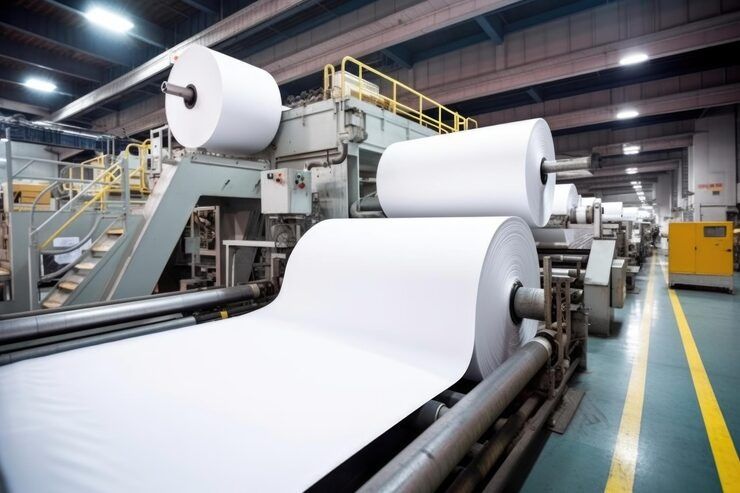
Most modern paper is produced from wood pulp, recycled paper fibers, or alternative plant-based materials. The manufacturing process includes pulping, cleaning, sheet formation, pressing, drying, coating, and cutting operations. Different paper grades are developed depending on strength, thickness, texture, and industrial purpose.
Common paper categories include:
- Packaging paper
- Printing and writing paper
- Tissue products
- Cardboard and paperboard
- Industrial filter paper
- Specialty coated paper
Paper manufacturing remains closely connected to packaging industries, publishing, logistics, education systems, and industrial supply chains.
Importance
Paper manufacturing plays an important role in global industrial production and everyday commercial activities. Paper products are widely used in communication, packaging, sanitation, education, and transportation systems.
Packaging and Distribution Support
Packaging paper and cardboard are essential for shipping, storage, and product handling across supply chains. E-commerce growth and logistics expansion have increased demand for paper-based packaging materials.
Packaging applications include:
| Industry | Paper Product Application | Purpose |
|---|---|---|
| Retail and E-commerce | Corrugated boxes | Shipping protection |
| Food Processing | Packaging paper | Product wrapping |
| Printing Industry | Writing paper | Publishing and documentation |
| Healthcare | Hygiene paper products | Sanitation support |
| Manufacturing | Industrial paperboard | Product storage |
These applications support transportation and product management across industries.
Communication and Education
Despite digital technology growth, paper products continue to support schools, offices, publishing operations, and documentation systems.
Common uses include:
- Books and notebooks
- Office printing paper
- Newspapers and magazines
- Educational materials
- Business records
Paper remains widely used for physical documentation and printed communication.
Hygiene and Daily Use Products
Paper manufacturing also supports hygiene-related products used in homes, hospitals, restaurants, and public facilities.
Examples include:
- Tissue paper
- Paper towels
- Medical paper products
- Disposable paper items
These products are important in sanitation and healthcare environments.
Industrial and Environmental Role
Modern paper manufacturing increasingly focuses on recycling systems, sustainable forestry practices, and resource-efficient production technologies. Recycled fiber processing has become an important part of industrial paper production.
Production Process
Paper manufacturing involves several stages designed to transform raw fiber materials into finished paper products.
Raw Material Preparation
The process begins with collecting and preparing fiber materials. Wood logs, recycled paper, or plant fibers are processed into pulp suitable for paper production.
Common raw materials include:
- Softwood fibers
- Hardwood fibers
- Recycled paper pulp
- Agricultural fiber materials
Raw materials are cleaned and separated before entering the pulping stage.
Pulping Process
Pulping breaks down raw fibers into a slurry mixture used for paper formation. This process may involve mechanical or chemical treatment methods.
Main pulping categories include:
- Mechanical pulping
- Chemical pulping
- Recycled fiber pulping
Chemical pulping removes lignin from wood fibers, while mechanical pulping physically separates fibers using grinding systems.
Cleaning and Refining
After pulping, the fiber mixture is cleaned to remove contaminants such as dirt, metal particles, and plastic residues. Refining equipment improves fiber bonding properties and paper strength.
This stage may include:
- Screening systems
- Centrifugal cleaners
- Fiber refiners
- Water separation systems
Sheet Formation
The cleaned pulp mixture is spread onto moving screens within paper machines. Water drains from the pulp as fibers bond together to form continuous paper sheets.
Modern paper machines operate continuously and may produce large paper rolls at high speeds.
Pressing and Drying
Paper sheets pass through rollers that remove excess moisture and improve surface smoothness. Drying systems then use heated cylinders and air systems to reduce remaining water content.
Drying stages are important for:
- Paper strength development
- Surface consistency
- Dimensional stability
Finishing and Cutting
After drying, paper may undergo additional coating, polishing, or treatment processes depending on the final product type.
Finishing operations may include:
- Surface coating
- Gloss treatment
- Roll cutting
- Sheet trimming
- Packaging preparation
Finished paper products are then prepared for distribution and industrial use.
Machinery Used in Paper Manufacturing
Paper mills use specialized industrial machinery throughout the production process.
Pulping Equipment
Pulping machinery processes raw fibers into pulp mixtures suitable for paper production.
Common equipment includes:
- Digesters
- Grinders
- Pulp mixers
- Refining systems
Paper Machines
Paper machines form continuous sheets and manage water removal during production.
Major machine sections include:
- Headbox systems
- Wire sections
- Press sections
- Drying cylinders
- Reel systems
These machines operate as integrated production systems within paper mills.
Coating and Finishing Equipment
Some paper grades require coating or surface treatment to improve print quality, durability, or moisture resistance.
Finishing machinery may include:
- Coating units
- Calendaring machines
- Slitting equipment
- Packaging systems
Water Treatment Systems
Paper manufacturing requires significant water usage, making industrial water treatment systems important within paper mills.
Treatment systems help manage:
- Water recycling
- Wastewater cleaning
- Chemical treatment
- Sludge management
Industrial Applications
Paper products support a wide range of industrial and commercial applications.
Packaging Industry
Packaging remains one of the largest industrial applications for paper manufacturing. Corrugated paperboard and carton packaging are widely used in logistics and retail sectors.
Applications include:
- Shipping boxes
- Product cartons
- Protective packaging
- Industrial wrapping materials
Printing and Publishing
Paper manufacturing supports newspapers, books, magazines, office documents, and educational publishing industries.
Different paper grades are developed for:
- Printing quality
- Ink absorption
- Surface texture
- Durability
Food and Beverage Industry
Paper-based packaging materials are used for food wrapping, beverage containers, and disposable packaging products.
Examples include:
- Food cartons
- Beverage cups
- Paper bags
- Wrapping materials
Industrial and Technical Applications
Specialty paper products are also used in filtration systems, insulation materials, electrical components, and laboratory applications.
Recent Updates
Between 2024 and 2026, paper manufacturing continued evolving through automation, recycling improvements, and sustainability-focused production systems.
Growth of Recycled Paper Processing
Many paper mills are expanding recycled fiber usage to reduce dependence on virgin raw materials.
Recycling developments include:
- Improved sorting systems
- Advanced fiber cleaning technologies
- Automated recycling operations
Automation and Smart Manufacturing
Paper mills increasingly use digital monitoring systems and automated production controls.
Recent technologies include:
- Real-time machine monitoring
- Predictive maintenance systems
- Automated quality inspection
- Energy management platforms
Sustainable Packaging Expansion
The growth of paper-based packaging alternatives continues influencing production trends in packaging industries.
Manufacturers are developing:
- Lightweight packaging materials
- Recyclable paper products
- Biodegradable packaging systems
Energy and Water Efficiency Focus
Paper manufacturing facilities are also focusing on reducing water consumption and improving energy efficiency within production operations.
Laws or Policies
Paper manufacturing is influenced by environmental regulations, industrial safety standards, and forestry management policies.
Environmental Regulations
Paper mills are commonly regulated for:
- Wastewater discharge
- Air emissions
- Chemical handling
- Solid waste management
Environmental agencies monitor industrial compliance related to pollution control and resource management.
Forestry and Raw Material Policies
Some regions regulate forest harvesting and sustainable wood sourcing practices connected to paper production industries.
These policies may involve:
- Forest management certification
- Reforestation programs
- Controlled timber sourcing
Workplace Safety Standards
Paper manufacturing facilities follow industrial safety regulations related to machinery operation, chemical handling, and fire prevention systems.
Tools and Resources
Several technical tools and industrial systems support paper manufacturing operations.
Production Monitoring Systems
Paper mills use digital platforms to monitor machine speed, moisture levels, and production efficiency.
Monitoring systems may track:
- Paper thickness
- Roll quality
- Energy usage
- Machine performance
Quality Testing Equipment
Testing equipment helps manufacturers evaluate paper strength, smoothness, absorbency, and durability.
Common testing methods include:
- Tensile strength analysis
- Moisture testing
- Surface smoothness measurement
- Thickness inspection
Industrial Design and Planning Software
Engineering software supports paper mill layout planning, production scheduling, and equipment management.
FAQs
What is paper manufacturing?
Paper manufacturing is the industrial process of converting raw fibers into paper products used for packaging, printing, hygiene products, and industrial applications.
Which raw materials are used in paper production?
Common raw materials include wood pulp, recycled paper fibers, and plant-based fiber materials processed into pulp mixtures.
What machinery is used in paper manufacturing?
Paper manufacturing machinery includes pulp digesters, paper machines, refiners, drying systems, coating equipment, and cutting machines.
Why is recycled paper important in paper manufacturing?
Recycled paper helps reduce raw material usage, supports waste management systems, and contributes to resource-efficient manufacturing practices.
Which industries use paper products the most?
Industries commonly using paper products include packaging, publishing, food processing, logistics, education, healthcare, and retail sectors.
Conclusion
Paper manufacturing is an important industrial process supporting packaging, publishing, hygiene products, and commercial operations worldwide. Modern paper production combines pulping systems, automated machinery, water treatment technologies, and finishing equipment to create different paper grades for industrial applications. Advances in recycling, automation, and sustainable packaging continue influencing the paper manufacturing sector. Environmental regulations and forestry policies also shape production methods and raw material management. As industrial and consumer demands evolve, paper products remain widely used across global supply chains and commercial activities.